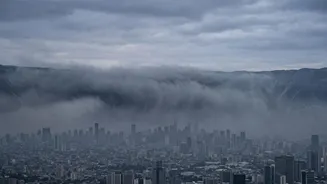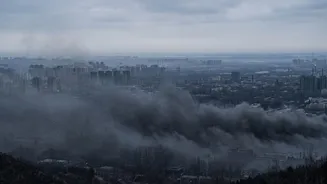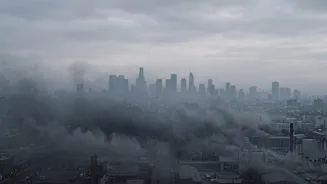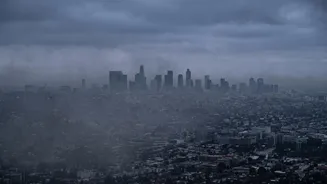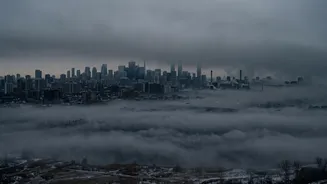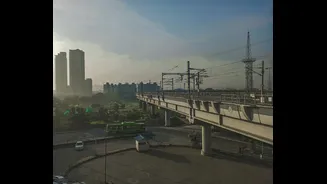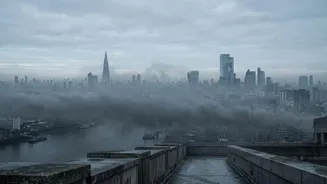




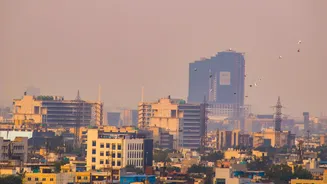
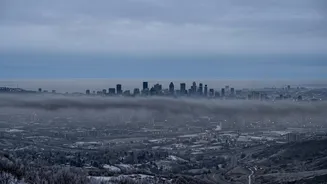
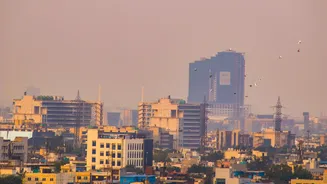
As winter approaches, a familiar grey haze descends upon Delhi-NCR, pushing the Air Quality Index (AQI) to alarming levels. This annual crisis isn't accidental; it's the result of a perfect storm of man-made and natural phenomena coming together.
The Annual Chokehold Begins
On November
2, Delhi's air quality plunged into the 'very poor' category for the first time this season, with the overall AQI crossing 300 and even peaking above 500 in some real-time readings. Several monitoring stations across the capital recorded levels considered 'very poor' or 'severe', enveloping the city in a thick, toxic smog. This sharp deterioration signals the start of what residents call the 'smog season', a period from late October to January when the air becomes a public health hazard. The government's early warning systems predict that air quality will remain in the 'poor' to 'very poor' range for the coming days.
The Fires from the North
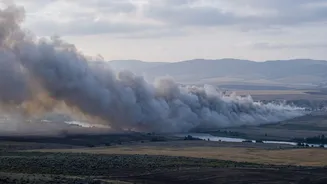
A primary contributor to this seasonal spike is stubble burning in the neighbouring states of Punjab and Haryana. Farmers in the region have a very short window to clear their fields of paddy residue after the harvest to prepare for sowing the next crop, wheat. Burning the stubble is the fastest and cheapest method. This agricultural practice releases enormous plumes of smoke containing fine particulate matter (PM2.5), which are tiny, harmful pollutants. Depending on wind direction, this smoke travels towards the Delhi-NCR region. According to official data, the contribution of farm fires to Delhi's PM2.5 pollution jumped to nearly 19% on November 1, a significant increase that coincides with the worsening air quality.
The Winter Weather Trap
The smoke from farm fires wouldn't be as catastrophic without a crucial accomplice: winter weather mechanics. As temperatures drop, a phenomenon known as 'temperature inversion' occurs. Normally, air is warmer near the ground and gets cooler higher up, allowing pollutants to rise and disperse. In winter, this flips. A layer of warmer air forms high above the ground, trapping a layer of cooler, denser air beneath it like a lid on a pot. Compounding this issue are low wind speeds, which prevent the horizontal dispersal of pollutants. This combination of a low 'mixing height' and calm winds creates a stagnant atmospheric bubble over the city, trapping all emissions close to the ground.
A Perfect Storm of Pollution
When the smoke from northern stubble burning drifts into Delhi-NCR, it enters this meteorological trap. The inversion layer prevents the pollutants from escaping into the upper atmosphere, and the low winds stop them from blowing away. The result is a concentrated accumulation of harmful particles from multiple sources. While stubble burning is a major seasonal factor, it adds to Delhi's year-round pollution from vehicles, industrial emissions, and construction dust. The trapped pollutants react with the fog that is common in Delhi's winter, creating the thick, choking smog that reduces visibility and makes breathing difficult. This annual event is a predictable convergence of agricultural practices and atmospheric science, leading to a severe air quality crisis.
The Unavoidable Health Crisis
The human cost of this pollution is immense. Exposure to such high levels of PM2.5 and other pollutants has severe health consequences. Doctors report a surge in patients with respiratory issues, including asthma attacks, bronchitis, and worsening symptoms of Chronic Obstructive Pulmonary Disease (COPD). The fine particles can penetrate deep into the lungs and even enter the bloodstream, increasing the risk of cardiovascular events like heart attacks and strokes. Children, the elderly, and those with preying conditions are especially vulnerable, but even healthy individuals can experience coughing, throat irritation, and chest tightness. Long term exposure is linked to chronic diseases, reduced lung function, and a lower life expectancy.