



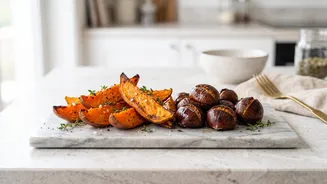
You buy fresh vegetables to get the most nutritional bang for your buck, but how you cook them matters immensely. The secret to retaining more of those vital nutrients might already be in your kitchen: the humble single pot or pan.
The Great Nutrient Escape
When you cook vegetables,
you're starting a race against time and the elements. The two biggest threats to their nutritional value are heat and water. Many essential vitamins, particularly water-soluble ones like vitamin C and the B-complex vitamins (including folate and thiamine), are delicate. They degrade when exposed to high heat for extended periods. Even more significantly, they leach out of the vegetables and into the cooking water. If you’ve ever boiled broccoli and poured the green-tinted water down the drain, you’ve discarded a significant portion of its vitamins. Minerals can also be lost in this way. While fat-soluble vitamins (A, E, and K) are more stable in water, they too can be degraded by very high temperatures.
Why Boiling Can Be the Enemy
Boiling is one of the most common cooking methods, but it's often the harshest on nutrients. By submerging vegetables in hot water, you create the perfect environment for water-soluble vitamins to flee. Studies have shown that boiling can destroy 50% or more of the vitamin C in vegetables like broccoli. This is the core of the problem with cooking dishes in multiple separate pots: if one of those pots is used for boiling or blanching vegetables that are later drained, the nutrients in that water are lost forever. While methods like steaming are far better because the food isn't submerged, they don't solve the problem of what happens to any liquid that does emerge.
The One-Pot Advantage: Recapturing Lost Nutrients
This is where one-pot cooking shines. Whether it's a soup, a stew, a curry, or a sauce cooked in the same pan as the pasta, the principle is the same: the cooking liquid is part of the final dish. Any vitamins and minerals that leach out of the vegetables simply become part of the broth or sauce you eat. That vitamin-rich 'broccoli water' isn’t discarded; it’s consumed. This simple change transforms a process of nutrient loss into one of nutrient recapture. Even starches like rice or noodles can absorb this nutrient-fortified liquid, making every component of the meal more nutritious than if it had been cooked separately.
More Than Just Soups and Stews
The term 'one-pot' extends beyond a bubbling cauldron on the stove. A sheet-pan roast, where vegetables and a protein are cooked together on a single tray, qualifies. The juices that release from the ingredients pool on the pan and infuse everything with flavor and nutrients. A stir_fry, cooked quickly in a single wok or skillet, minimizes the time vegetables are exposed to heat and uses very little water, preserving B vitamins effectively. Even pressure cookers like the Instant Pot use shorter cooking times, which can result in greater preservation of vitamins and minerals compared to longer cooking methods.
Tips for Maximum Nutrient Retention
To make the most of your one pot meals, a few simple strategies can make a big difference. First, use as little water as possible to minimize leaching. Second, don't overcook your vegetables; aim for tender crisp to reduce their exposure to heat. Third, cut vegetables into larger chunks. This reduces the surface area exposed to heat and water, slowing nutrient loss. Finally, whenever practical, leave the skins on vegetables like carrots and potatoes, as many nutrients are concentrated just beneath the surface.