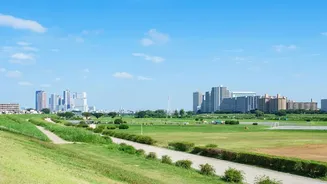







The daily grind of city life, with its constant noise, high-pressure demands, and rising pollution, is leaving many urbanites feeling drained. In response, a new travel trend is emerging: the 'recovery holiday'.
The Urban Burnout Factor
Living in a major Indian metropolis comes
with undeniable energy, but it also carries a significant cost to our well-being. Studies have increasingly shown a direct link between high levels of air pollution and increased mental stress, anxiety, and depressive symptoms. When you combine poor air quality with the daily pressures of long work hours and digital fatigue, the result is a state of chronic burnout. It's no surprise that a growing number of people are realising that a typical vacation isn't enough; they need a genuine escape that allows their bodies and minds to recover. This has given rise to the 'urban recovery holiday'—a short, purposeful trip designed not for sightseeing, but for breathing easy.
Nature's Simple, Powerful Fix
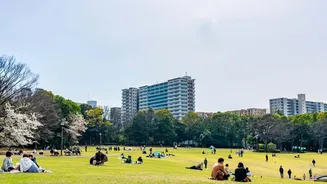
The science behind why these trips are so effective is simple yet profound. Spending time in nature has been shown to lower cortisol, the body's primary stress hormone. Environments with fresh air, natural sounds like birdsong, and green landscapes activate the parasympathetic nervous system, which guides the body into a state of rest. Research has demonstrated that even a 90-minute walk in a natural setting can reduce activity in the part of the brain linked to negative thought patterns. Moreover, trees release natural oils called phytoncides, which can boost the human immune system. In essence, escaping to a place with clean air provides a much-needed biological reset that a city park simply cannot match.
What is a 'Recovery Holiday'?
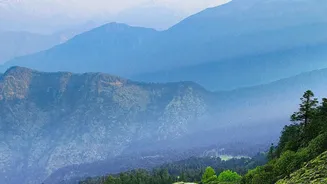
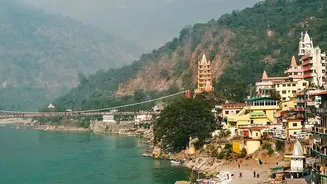
Unlike a long, meticulously planned vacation, a recovery holiday is typically a short break of two to four days. The destination is chosen not for its landmarks but for its Air Quality Index (AQI). The goal is rejuvenation. For residents of Delhi, this might mean a drive to the Himalayan foothills in Uttarakhand, to places like Lansdowne or Mukteshwar, which are known for their dense forests and cleaner air. People in Mumbai and Bangalore often head to the Western Ghats, visiting destinations like Coorg or Munnar, where coffee and tea plantations act as natural air purifiers. These trips are often spontaneous, planned around pollution forecasts rather than long weekends, with the primary aim of sleeping better, reducing respiratory irritation, and finding mental clarity.
A Shift in Travel Mindset
The rise of the clean-air trip signifies a broader shift in what people seek from travel. Wellness tourism in India is booming, moving beyond generic spa treatments to encompass holistic health, mental wellbeing, and a connection with nature. Travellers are increasingly asking, 'Can I come back healthier than when I left?'. This has led to a demand for experiences like digital detoxes, meditation retreats, and stays in eco‐conscious properties that support local communities. It’s a move away from consumption‐based tourism towards conscious travel that prioritises personal restoration and sustainability. The holiday is no longer just an escape from work, but an essential investment in one's long‐term health.