





First, What Is a SCOBY?
The heart of your kombucha is the SCOBY, an acronym for Symbiotic Culture of Bacteria and Yeast. It might look like a pale, rubbery pancake, but this living ecosystem is what transforms sweet tea into tangy, probiotic-rich kombucha. The bacteria and yeast
work together to ferment the sugar, creating the organic acids and subtle fizz kombucha is known for. You can get a SCOBY from a friend who brews, or purchase one online. It must come with some liquid from its previous batch, known as starter tea, which is crucial for a healthy start.
Gathering Your Gear
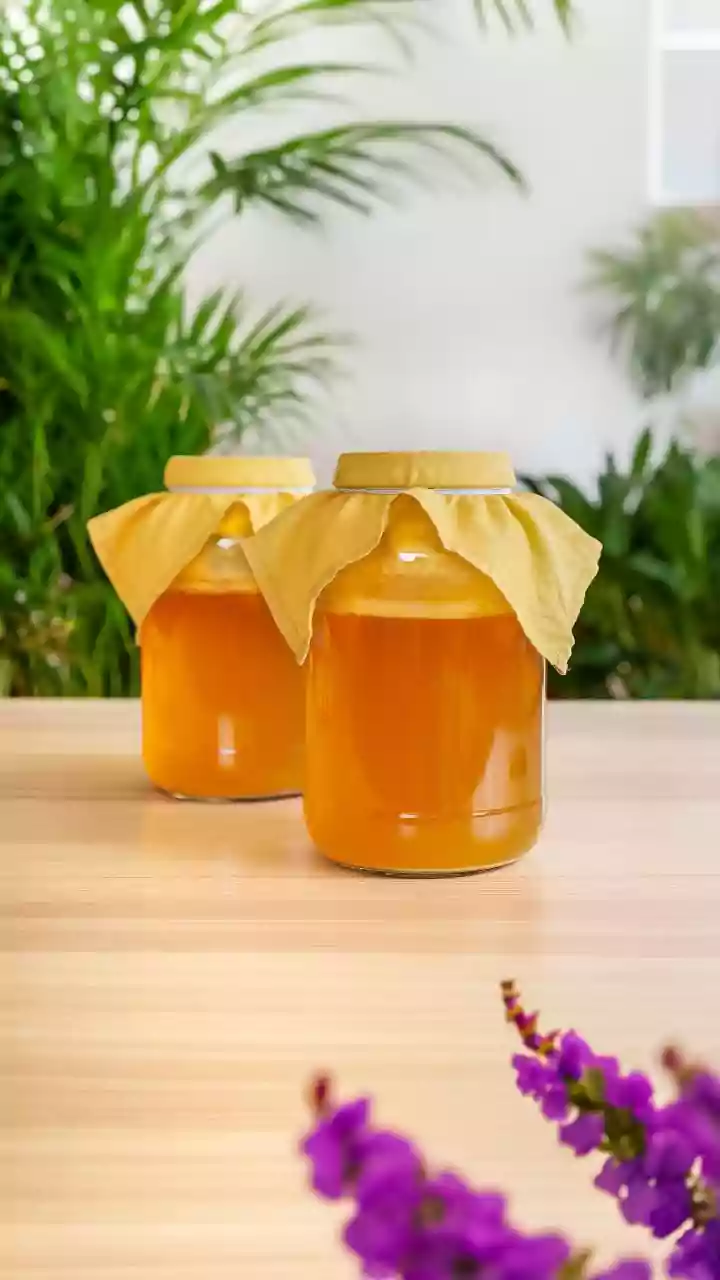
You don't need a professional lab, just a few basic items. The most important piece of equipment is a large, wide-mouthed glass jar—a one-gallon size is perfect for beginners. You will also need a piece of tightly woven cloth or a coffee filter and a rubber band to cover the jar, which allows airflow while keeping out contaminants. Avoid cheesecloth as its holes are too large. For later steps, having a funnel and some sealable bottles for your finished kombucha will be helpful.
The Essential Ingredients
The recipe for kombucha is simple and the ratios are important for a healthy brew. For a standard one-gallon batch, you will need: about 14 cups of filtered, chlorine-free water, 1 cup of regular granulated white sugar, 6-8 bags of unflavored black or green tea (or a mix), and at least 1-2 cups of strong starter tea from a previous batch (this should come with your SCOBY). It's important to use real tea from the Camellia sinensis plant and basic sugar, as the SCOBY has evolved to thrive on these specific nutrients. Using herbal teas or sugar alternatives can harm the culture.
Step-by-Step: The First Fermentation
This first stage, called F1, is where the magic happens. First, bring about 4 cups of your water to a boil, then remove it from the heat. Stir in your cup of sugar until it's completely dissolved. Next, add your tea bags and let them steep for about 10 minutes. Once steeped, remove the tea bags and pour this sweet tea concentrate into your large glass jar. Top it up with the remaining cool, filtered water. The most critical step is ensuring the tea has cooled to room temperature (between 22–26°C) before proceeding. Adding a SCOBY to hot tea can kill the delicate cultures. Once cooled, gently add your SCOBY and the starter tea. Cover the jar with your cloth and secure it with a rubber band.
Patience and Where to Keep It
Place your brewing jar in a warm spot, out of direct sunlight, with good air circulation. A kitchen cupboard or a pantry shelf often works well. The ideal temperature is between 22–26°C. Fermentation will take anywhere from 7 to 14 days, depending on the temperature of your room. Colder temperatures will slow things down, while warmer temperatures will speed them up. You can simply let it sit undisturbed during this time. It's normal to see strands of yeast forming or a new, thin layer of SCOBY growing on the surface.
How to Know When It's Ready
The only way to know if your kombucha is ready is to taste it. After about 7 days, you can gently slide a straw down the side of the jar (past the SCOBY) and take a small sip. If it’s too sweet, let it ferment for a few more days. If it’s too tart, you've let it go a bit long, but it's still usable. The perfect brew will have a pleasant balance of sweetness and tanginess. The longer it ferments, the more sugar is consumed and the more vinegary it will taste. Once it reaches a taste you enjoy, your first fermentation is complete.
Troubleshooting Common Worries
Don't panic if your SCOBY sinks, floats sideways, or has brown, stringy bits hanging from it—these are all normal signs of a healthy fermentation. The biggest concern for new brewers is mold. True mold is fuzzy, dry, and appears in spots of blue, green, or black on the surface of the SCOBY. It is very distinct from the normal lumpy, bumpy, tan-colored appearance of a healthy culture. Following the recipe, especially using enough starter tea, is the best way to prevent mold, as the starter tea makes the brew acidic and inhospitable to contaminants.