




Introducing 'Hydrogen for Heritage'
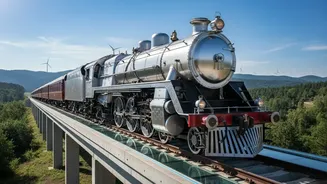
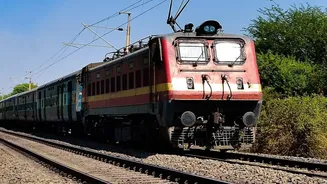
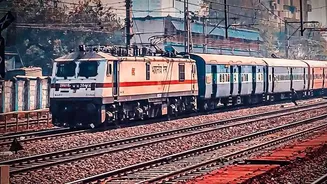
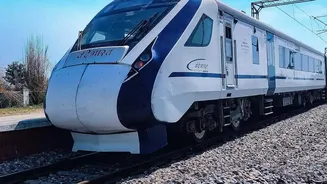
Indian Railways has embarked on an ambitious initiative named 'Hydrogen for Heritage', which aims to power its iconic narrow-gauge and meter-gauge trains with green hydrogen fuel cells. The project's goal is to retrofit existing diesel-powered trains on these
historic routes, transforming them into zero-emission vehicles. This move serves a dual purpose: preserving the charm and legacy of these beloved railways while aligning them with India's modern environmental commitments. The initiative is a key part of Indian Railways' larger strategy to achieve net-zero carbon emissions by 2030. By focusing on heritage lines, the railways can showcase this cutting-edge technology in some of the country's most scenic and ecologically sensitive areas.
How Does a Hydrogen Train Work?
The technology at the heart of this initiative is the hydrogen fuel cell. Instead of burning diesel, the train carries compressed hydrogen gas in secure tanks. Inside the fuel cell, this hydrogen is combined with oxygen from the air in an electrochemical reaction. This process generates electricity to power the train's motors, with the only byproduct being pure water vapour and a small amount of heat. Essentially, these are electric trains that create their own power on board without needing overhead power lines. This makes the technology particularly suitable for the challenging terrains of heritage routes, where installing electrical infrastructure can be difficult and visually intrusive. Some trains also use batteries to store excess electricity for use during acceleration or climbing hills, making them even more efficient.
The Pilot Project and Future Routes
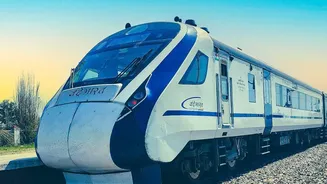
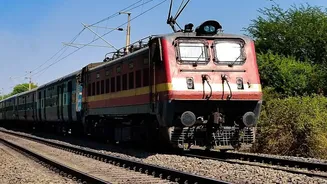
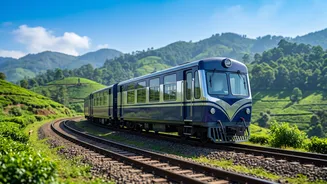
Before rolling out on the winding mountain tracks, the technology is being tested. India's first hydrogen-powered train began operating in July 2026 on the Jind-Sonipat section in Haryana. This pilot project, involving a retrofitted diesel train, is designed to assess the operational viability, safety, and reliability of the system under real-world conditions. The experience and data gathered from this initial run will be crucial for the next phase. The 'Hydrogen for Heritage' plan has identified over 30 potential routes for conversion. Prominent among these are the world-renowned UNESCO World Heritage sites: the Kalka-Shimla Railway, the Darjeeling Himalayan Railway (or 'Toy Train'), and the Nilgiri Mountain Railway in Ooty. These routes are celebrated for their natural beauty, which would be preserved by the quiet, pollution-free operation of hydrogen trains.
The Bigger Picture for a Greener India
This initiative is more than just a novelty; it represents a significant step in India's journey towards sustainable development. It directly supports the National Green Hydrogen Mission, which aims to make India a global hub for the production and use of clean hydrogen energy. By demonstrating a practical application for green hydrogen in public transport, Indian Railways is helping to build an ecosystem for this future-facing fuel. Furthermore, with the country aiming for net-zero emissions by 2070, decarbonising the massive railway network is critical. While large-scale electrification is the primary strategy for the main lines, hydrogen offers a clean alternative for routes where electrification is not feasible, ensuring that no part of the network is left dependent on fossil fuels.
Challenges on the Track Ahead
Despite the promise, the path to a fully hydrogen-powered heritage fleet has its bumps. The most significant challenge is cost. Currently, manufacturing or retrofitting a hydrogen train is considerably more expensive than its diesel counterpart, with initial estimates for each train around ₹80 crore. Moreover, the cost of producing 'green' hydrogen (made using renewable energy) remains high. Establishing the necessary infrastructure for hydrogen production, storage, and safe refueling at remote locations along these heritage routes is another major investment. However, officials are optimistic that as the technology matures and domestic manufacturing scales up, these costs will gradually decrease over time, making the green transition economically viable in the long run.