



The Allure of the Open Road
At the heart of this travel revolution is a fundamental shift in mindset. Indian travellers are increasingly trading fixed itineraries for the freedom to explore at their own pace. Unlike the structured nature of air or train travel, a car offers the liberty
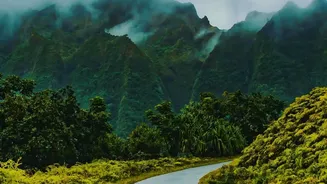
to make spontaneous detours, discover hidden gems not listed in guidebooks, and linger longer in places that capture the imagination. This move towards “anti-itinerary” travel is a direct response to the highly structured nature of modern daily life. For many, the journey itself—with its unplanned stops for chai, impromptu photo sessions against stunning backdrops, and the simple joy of watching the landscape change—has become as important as the destination.
Paved with New Possibilities
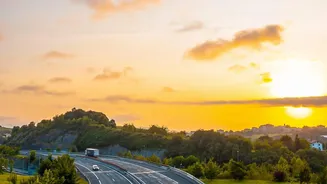
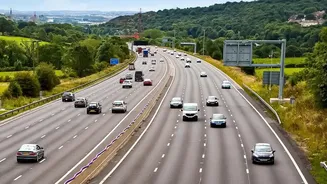
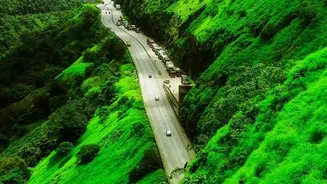
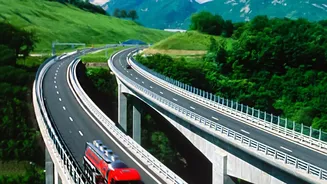
This boom wouldn't be possible without the dramatic transformation of India's infrastructure. Over the last decade, the country's national highway network has expanded by approximately 60%, making road travel significantly faster, safer, and more reliable. The construction of world-class expressways and the upgrade of existing highways have slashed travel times and improved last-mile connectivity to previously remote regions. According to a recent Uber Intercity Travel Index, this improved infrastructure is a key driver behind the rising demand for road trips, not just between major metros but also on emerging routes connecting Tier-II cities and leisure destinations. The fear of breakdowns and poor road quality, once a major deterrent, has been replaced by the confidence to explore far and wide.
From Pandemic Compulsion to Preferred Choice
The COVID-19 pandemic acted as a powerful catalyst for this trend. What began as a compulsion for safe, socially-distanced travel in a personal 'bubble' has since evolved into a lasting preference for many. Families and groups who experienced the convenience and privacy of a road trip during the pandemic have continued to choose it over other modes of transport. This shift is also supported by changing work cultures. The rise of flexible and remote work arrangements allows for "workations" and micro-breaks, where professionals can blend work with leisure, making a 3-4 day road trip a feasible and frequent option. This has led to a noticeable increase in shorter, more spontaneous trips, often planned just a week or two in advance.
The New Map of Indian Travel
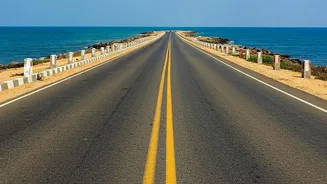
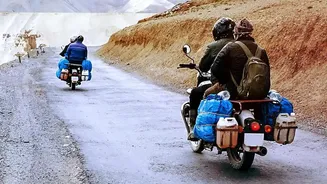
As travellers hit the road, new destinations and routes are gaining popularity. While classic drives like Mumbai-Goa, Manali-Leh, and the Golden Quadrilateral remain iconic, data shows the fastest growth is on regional corridors. Routes such as Ahmedabad-Vadodara, Delhi-Dehradun, and Chennai-Puducherry are seeing a surge in traffic. This trend extends to Tier-II cities, with corridors like Thrissur-Kochi and Indore-Ujjain becoming new favourites. Travellers are seeking out a diverse range of experiences, from the coastal beauty of the East Coast Road to the royal heritage of Rajasthan and the tea plantations of Darjeeling. This growing appetite for experiential travel is reshaping the tourism ecosystem, boosting local economies in smaller towns and offbeat locations.