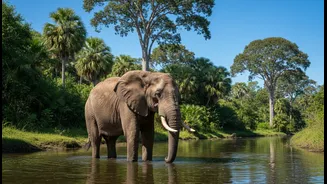









Observing Wildlife Ethically
One of the greatest thrills of travel is encountering wildlife, but these interactions must prioritise the animals' welfare. Ethical wildlife tourism is about observation, not interaction. This means keeping a respectful distance, never feeding wild animals,
and using binoculars or a zoom lens for a closer look. Avoid any activity that involves touching, riding, or taking photos with captive wild animals, such as elephants or tigers, as these often involve cruel training methods and cause significant stress. Instead, choose to visit legitimate national parks and accredited sanctuaries where animals can be seen in their natural habitats. Before booking, do your research. Look for tour operators with transparent conservation policies and read negative reviews, which can sometimes highlight animal welfare concerns. A truly responsible experience puts the animal's freedom and well-being first, ensuring that our curiosity does not cause them harm.
Conserving Water, A Shared Resource
Water is a precious resource, and its scarcity is a critical issue in many travel destinations. As travellers, we can make a significant difference with a few mindful habits. Simple actions like taking shorter showers and turning off the tap while brushing your teeth can save many litres of water daily. In hotels, you can conserve a great deal of water and energy by choosing to reuse your towels and linens for more than one day. A major contributor to waste and water usage is single-use plastic bottles. Carry a reusable water bottle and fill it up at filtered water stations, which many hotels now provide. This simple swap reduces plastic pollution and conserves the water used in the manufacturing and transport of bottled beverages. Being conscious of your water footprint shows respect for the local environment and the community that depends on it.
Supporting Local Communities and Economies
A responsible trip directly benefits the people who call your destination home. One of the most effective ways to do this is by ensuring your money supports the local economy. Choose to stay in locally-owned accommodations like homestays or guesthouses instead of large international chains. When it comes to dining, skip the familiar global franchises and eat at family-run restaurants and street food stalls to experience authentic local cuisine. When shopping for souvenirs, buy handcrafted goods directly from artisans at local markets. This ensures the creators receive a fair price for their work. Hiring local guides for tours provides a more authentic perspective on the area's culture and history, and your money goes straight into the community. Respecting local culture is also paramount; always ask for permission before taking photographs of people and dress modestly when visiting religious sites.
Leaving a Positive Footprint
Beyond these three pillars, responsible travel involves a holistic approach to minimising your impact. Start before you even leave by packing light; heavier luggage increases an airplane's fuel consumption. Once at your destination, opt for public transport, walk, or cycle whenever possible. Always adhere to the principle of "Leave No Trace"—whatever you pack in, you must pack out. Never litter, and properly dispose of any waste you generate. By being mindful of your choices, you help preserve the destination's natural beauty and cultural heritage for future generations to enjoy. Your actions, no matter how small they seem, contribute to a more sustainable and respectful model of tourism that honours the delicate balance between exploring our planet and protecting it.