






Ditch The Heavy Snacks, Boost Your Immunity
The craving for fried pakoras and samosas is almost a monsoon ritual, but experts advise moderation. The digestive system, or 'agni' (digestive fire) as per Ayurveda, is considered weaker during the rainy season. Heavy, oily foods can lead to indigestion
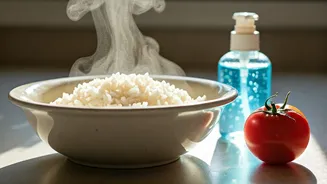
and bloating. Instead, focus on light, warm, and freshly cooked meals. Soups made from carrots, beans, and tomatoes are excellent choices as they are nourishing and easy to digest. To bolster your immunity against seasonal infections, incorporate ingredients like turmeric, ginger, and garlic into your diet. Turmeric milk, or 'golden milk', is a powerful anti-inflammatory drink, while ginger and garlic have antimicrobial properties that help fight off common colds. Probiotic-rich foods like yogurt and buttermilk also support gut health, which is crucial for a strong immune system.
Rethink Your Skincare for High Humidity
One of the biggest monsoon skincare myths is that you can skip sunscreen on cloudy days. UV rays penetrate clouds, and protection is non-negotiable to prevent tanning and pigmentation. Another common mistake is forgoing moisturiser because the air feels damp. High humidity can trick you into thinking your skin is hydrated, but it can also lead to increased oil and sweat production, clogging pores. Skipping moisturiser can cause your skin to produce even more oil to compensate. The expert-approved approach is to switch to lightweight, gel or water-based moisturisers and a gentle, non-stripping cleanser. Ingredients like niacinamide are highly recommended as they help regulate sebum production and minimise pores, making them an MVP for humid weather.
Prioritise Hygiene to Prevent Infections
The damp, humid environment is a perfect breeding ground for bacteria and fungi. This makes personal hygiene extremely important. Fungal infections, especially on the feet, are common due to prolonged exposure to moisture from wet socks and shoes. Experts advise keeping your feet clean and dry, using antifungal powder if necessary, and avoiding walking barefoot in puddles. It's also crucial to change out of wet clothes as soon as possible. Since mosquito-borne diseases like dengue, malaria, and chikungunya are rampant during this season, preventing mosquito breeding is critical. Ensure there is no stagnant water in or around your home—in coolers, flowerpots, or discarded containers. Using mosquito nets and repellents, especially during dawn and dusk, is also strongly advised.
Watch What You Drink and Eat
Waterborne diseases such as cholera, typhoid, and gastroenteritis see a sharp rise during the monsoon due to the contamination of water sources. It is essential to drink only boiled, filtered, or purified water. Be wary of water and ice from outside stalls. Experts also caution against consuming raw foods like salads and uncooked vegetables, as they are more likely to carry harmful germs. Even leafy greens should be avoided unless they can be thoroughly cleaned and cooked, as the dampness and grime make them susceptible to germs. Opting for freshly cooked, hot meals reduces the risk of foodborne infections significantly.