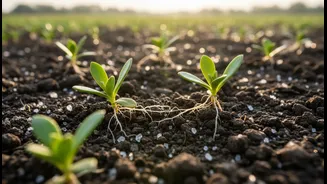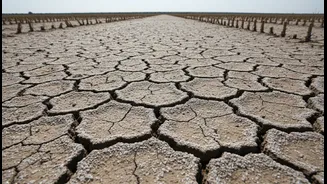




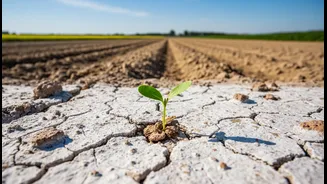
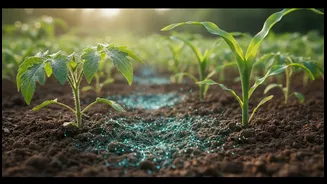
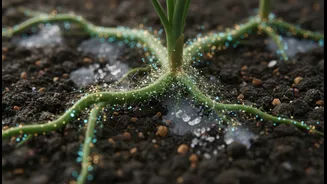


The Scale of the Salty Scourge
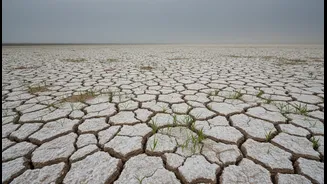
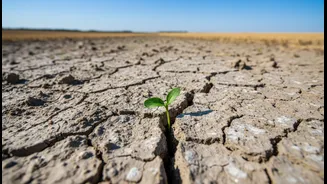
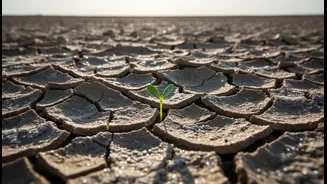
Across India, an estimated 6.7 to 7 million hectares of land are grappling with high salt concentrations. To put that in perspective, it is an area larger than the entire state of Punjab. This isn't a static problem; experts warn that if trends continue,
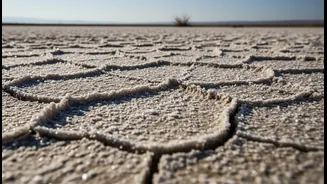
a significant portion of India's arable land could become salt-affected by 2050. The primary causes are a mix of natural and human factors. In coastal regions, rising sea levels lead to saltwater intrusion into groundwater. Inland, decades of irrigation without adequate drainage have caused salts, which are naturally present in water and soil, to accumulate in the topsoil as water evaporates. Overuse of certain chemical fertilisers also contributes to the salt load, creating a vicious cycle where farmers, seeing lower yields, apply more inputs, inadvertently worsening the problem.
A Harvest of Hardship
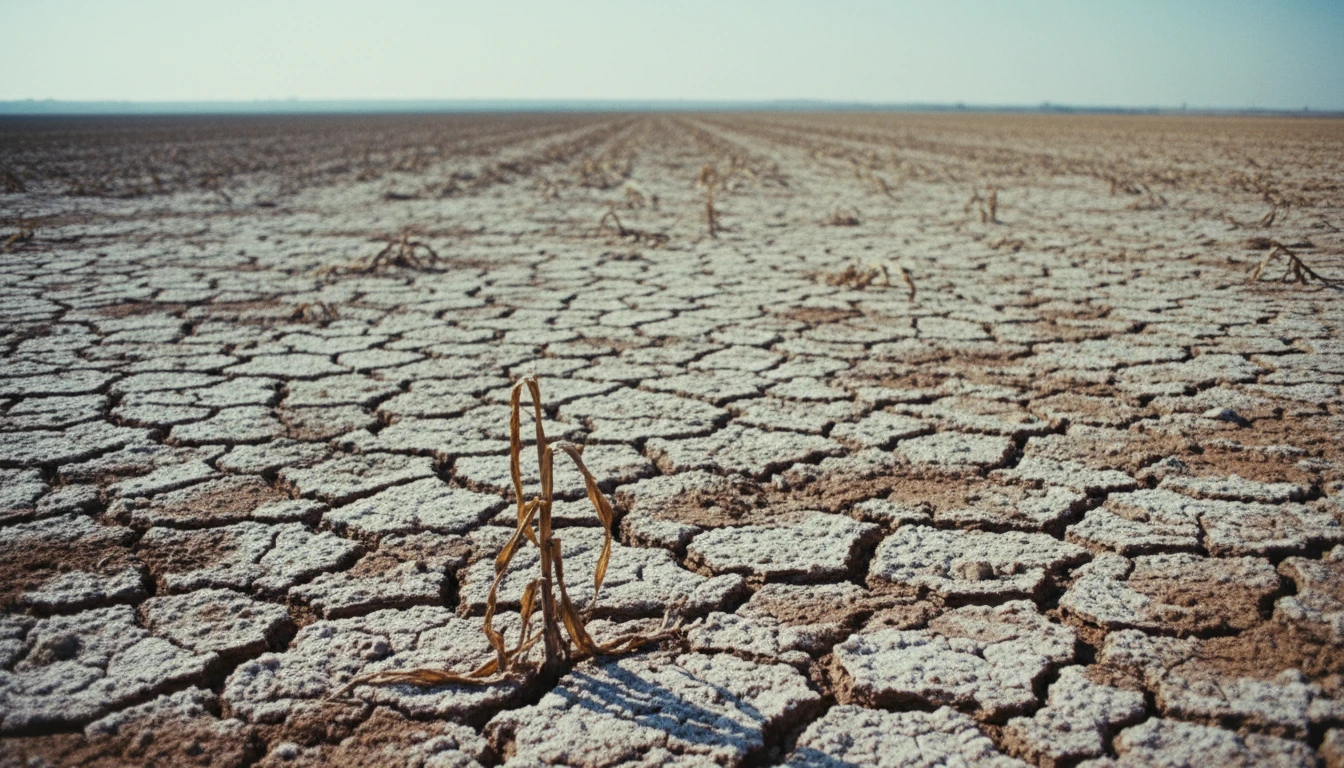
For the individual farmer, rising salinity means a slow death for their land and livelihood. As salt levels increase, most crops struggle to absorb water and nutrients, resulting in stunted growth and drastically lower yields. This translates directly into financial distress. India loses an estimated 16.8 million metric tons of crops annually due to soil salinity and a related condition, sodicity. This loss of production has a huge economic impact, with states like Gujarat and Uttar Pradesh bearing the heaviest burdens. Farmers find themselves trapped in debt, taking loans to cover costs for fertilizers and other inputs, only to see their harvests shrink. This not only impacts individual families, forcing many to seek work off the farm, but also poses a long-term threat to India's national food security.
Science as the Solution
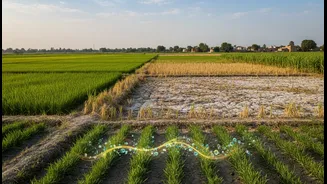
The urgency of the situation demands a widespread turn towards "salinity-smart science." This isn't a single magical fix but a portfolio of innovative techniques and technologies designed to manage and mitigate high salt levels. At the forefront is the development of salt-tolerant crop varieties. The Indian Council of Agricultural Research (ICAR) and its institutes, like the Central Soil Salinity Research Institute (CSSRI), have developed high-yielding varieties of rice, wheat, and mustard that can thrive in saline and sodic soils. For instance, salt-tolerant basmati rice varieties can grow in soils with high pH, and specific mustard varieties are tailored for the waterlogged coastal saline belts. These crops are not just laboratory curiosities; they are proven tools that can restore productivity to degraded lands.
Smarter Farming Practices
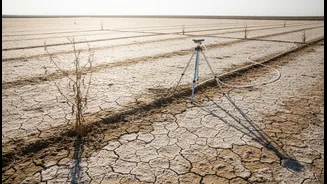
Beyond crop genetics, salinity-smart science involves a revolution in farm management. Precision irrigation techniques like drip irrigation deliver water directly to plant roots, minimizing evaporation and the subsequent salt buildup. Another key intervention is improving soil drainage. The installation of subsurface drainage systems, though an investment, is a highly effective way to flush excess salts away from the root zone. Soil amendments, such as the application of gypsum to sodic soils, help improve soil structure and leach out harmful sodium. Furthermore, advanced digital tools are now available. Remote sensing and GIS can map affected areas with high precision, allowing for targeted interventions, while new soil sensors can provide real-time data on salinity levels, empowering farmers to make informed decisions.