





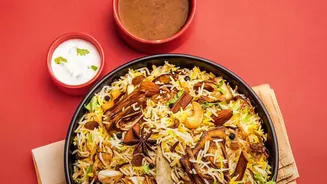
A Taste of History
The story of Parsi food is a story of migration and adaptation. Fleeing persecution in Persia in the 8th century, the Zoroastrian community found refuge in Gujarat, India. Their cuisine evolved, blending Persian traditions of using nuts and dried fruits
in savoury dishes with the vibrant spices and ingredients of their new home, like coconut, tamarind, and ginger. This unique culinary style found a prominent place in the social fabric, especially in the iconic Irani cafes and the kitchens of colonial-era clubs across Mumbai and other cities. While famous for hearty non-vegetarian fare like Sali Boti and Dhansak, Parsi cooks also mastered vegetarian cooking, creating dishes that are just as complex and satisfying.
The Magic of Kathal
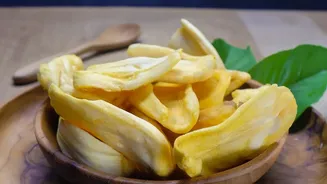
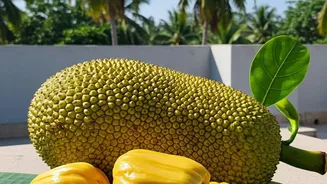
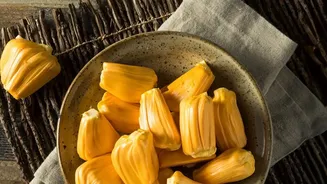
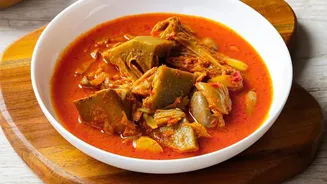
Enter the kathal, or raw jackfruit. In a cuisine where many vegetable dishes traditionally feature an egg on top ('per eedu'), a substantial vegetarian main course is a special treat. Jackfruit's magic lies in its texture. When cooked, the young, unripe fruit develops a stringy, meaty consistency that makes it a fantastic substitute for pulled pork or shredded mutton. It has a neutral flavour, allowing it to act like a sponge, soaking up the aromatic spices of the gravy. This ability to mimic meat makes it the perfect canvas for a rich, Parsi-style curry, offering a hearty and satisfying experience for vegetarians and meat-eaters alike.
The Parsi Flavour Profile
What makes this kathal dish distinctly Parsi is its signature balance of 'khattu-mithu' (sweet and sour). This is often achieved with a combination of vinegar or tamarind for sourness and jaggery or sugar for a balancing sweetness. The spice blend is also crucial. While recipes vary between families, a Parsi masala often includes a fragrant mix of cinnamon, cloves, cumin, coriander, and chilli powder. Some cooks use a version of Dhansak masala, a complex blend that can contain over a dozen spices, including star anise, black mustard seeds, and mace, giving the curry its deep, aromatic character.
Ingredients for Parsi Kathal
This recipe serves about four people. For the Kathal: 500g raw jackfruit (kathal), peeled and cubed. For the Masala Base: 2 large onions, finely chopped; 2 medium tomatoes, pureed; 1 tablespoon ginger-garlic paste. For the Whole Spices: 1-inch cinnamon stick, 4 cloves, 3 green cardamoms, 1 bay leaf. For the Ground Spices: 1 tsp turmeric powder, 1 tsp red chilli powder (adjust to taste), 2 tsp coriander powder, 1 tsp cumin powder, 1.5 tsp Parsi garam masala or Dhansak masala. For the 'Khattu-Mithu' Flavour: 1 tablespoon tamarind paste (or 2 tsp vinegar), 1 teaspoon jaggery or sugar. Other Ingredients: 3 tablespoons oil, salt to taste, fresh coriander for garnish.
Step-by-Step Instructions
First, prepare the jackfruit. It's advisable to oil your hands and knife before cutting to prevent the sticky latex from adhering to your skin. Boil the cubed jackfruit in salted water for 10-15 minutes until tender but not mushy, then drain and set aside. Some prefer to fry the boiled pieces for extra texture. In a large pan or pressure cooker, heat the oil over a medium flame. Add the whole spices (cinnamon, cloves, cardamom, bay leaf) and let them sizzle for about 30 seconds until fragrant. Add the chopped onions and sauté until they turn golden brown. Stir in the ginger-garlic paste and cook for another minute until the raw smell disappears. Next, add the tomato puree and all the ground spice powders (turmeric, chilli, coriander, cumin, and Parsi masala). Cook this masala mixture for 5-7 minutes, stirring occasionally, until the oil begins to separate at the edges. Add the pre-cooked jackfruit cubes to the masala, along with salt, tamarind paste, and jaggery. Mix well to coat the jackfruit evenly. Pour in about one cup of hot water, bring to a simmer, then cover and cook on low heat for 15-20 minutes, allowing the flavours to meld. If using a pressure cooker, one whistle is usually sufficient. Check for seasoning and adjust if necessary before garnishing.
How to Serve
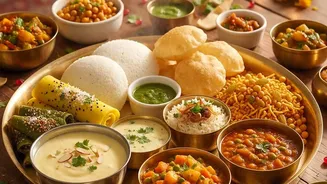
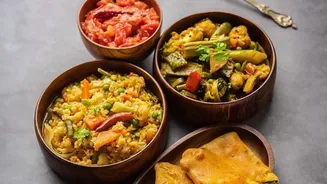
Your homemade Parsi kathal is now ready. Garnish generously with freshly chopped coriander leaves. This flavourful curry is traditionally served hot with soft rotis or chapatis to soak up the delicious gravy. It also pairs beautifully with Parsi-style brown rice and a side of kachumber, a simple salad of chopped onion, cucumber, and tomato. For a complete Parsi meal experience, you could serve it alongside a simple dal, like 'dhun dar', a plain yellow lentil preparation. This dish proves that the heart of Parsi cooking lies not just in its famous meat dishes, but in its masterful balance of flavours, which can turn even a humble vegetable into a celebratory meal.