


What Are AI Beauty Assistants?
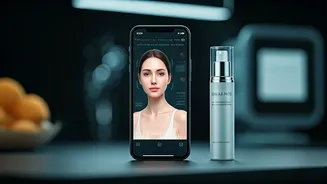
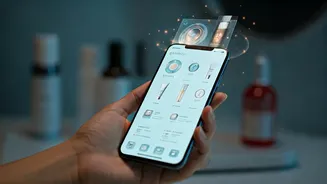
Forget simple social media filters. The new generation of AI beauty assistants are sophisticated digital tools designed to provide personalized analysis and recommendations for your skin and makeup needs. Think of them as a 24/7 virtual beauty consultant.
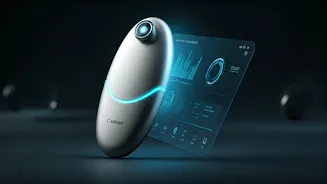
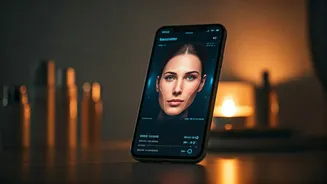
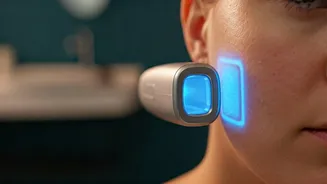
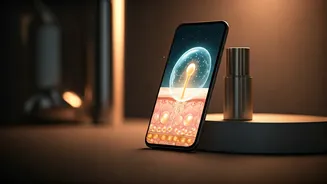
Using your phone's camera, these assistants leverage artificial intelligence and augmented reality to analyze your face in incredible detail. They can identify a range of skin concerns like wrinkles, pigmentation, hydration levels, and acne with impressive accuracy. From there, they build a unique profile to recommend specific products, ingredients, and even entire skincare routines tailored just for you.
From Virtual Try-Ons to Skin Diagnostics
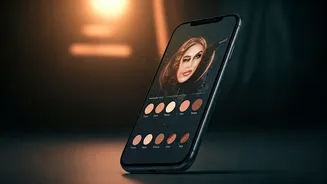
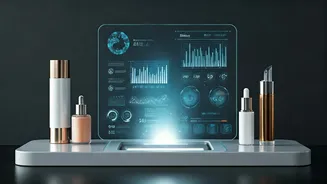
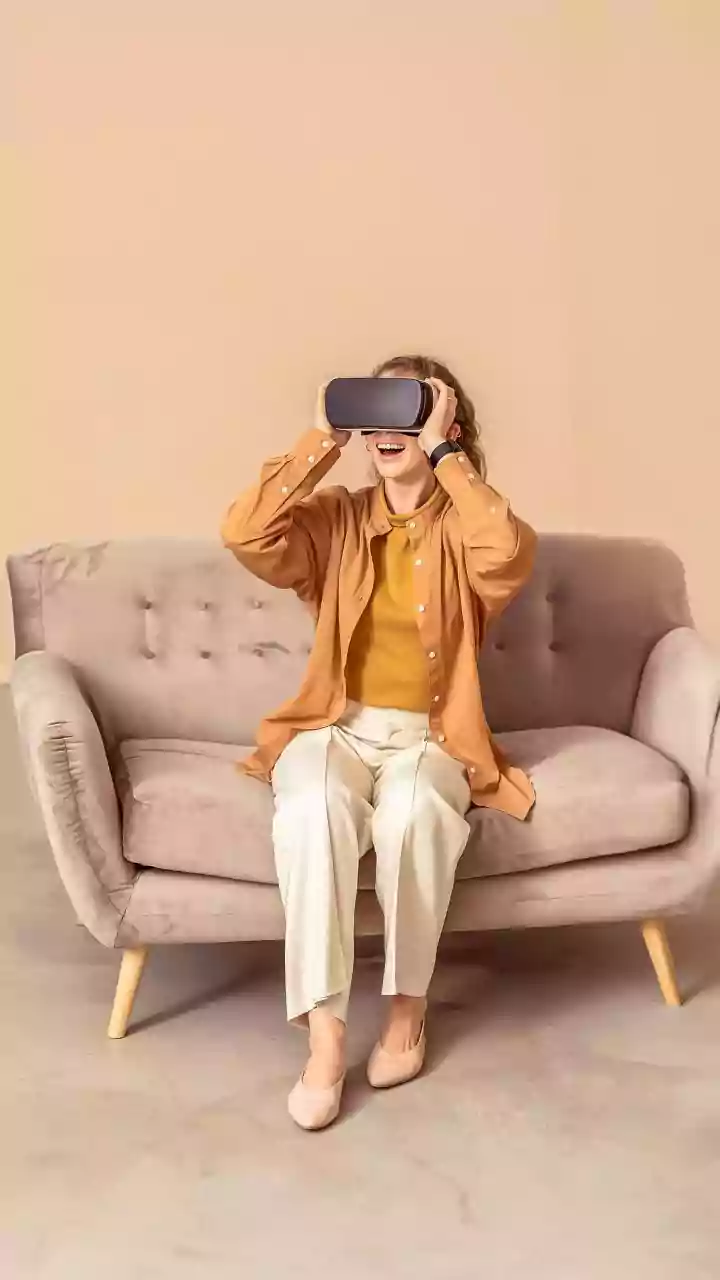
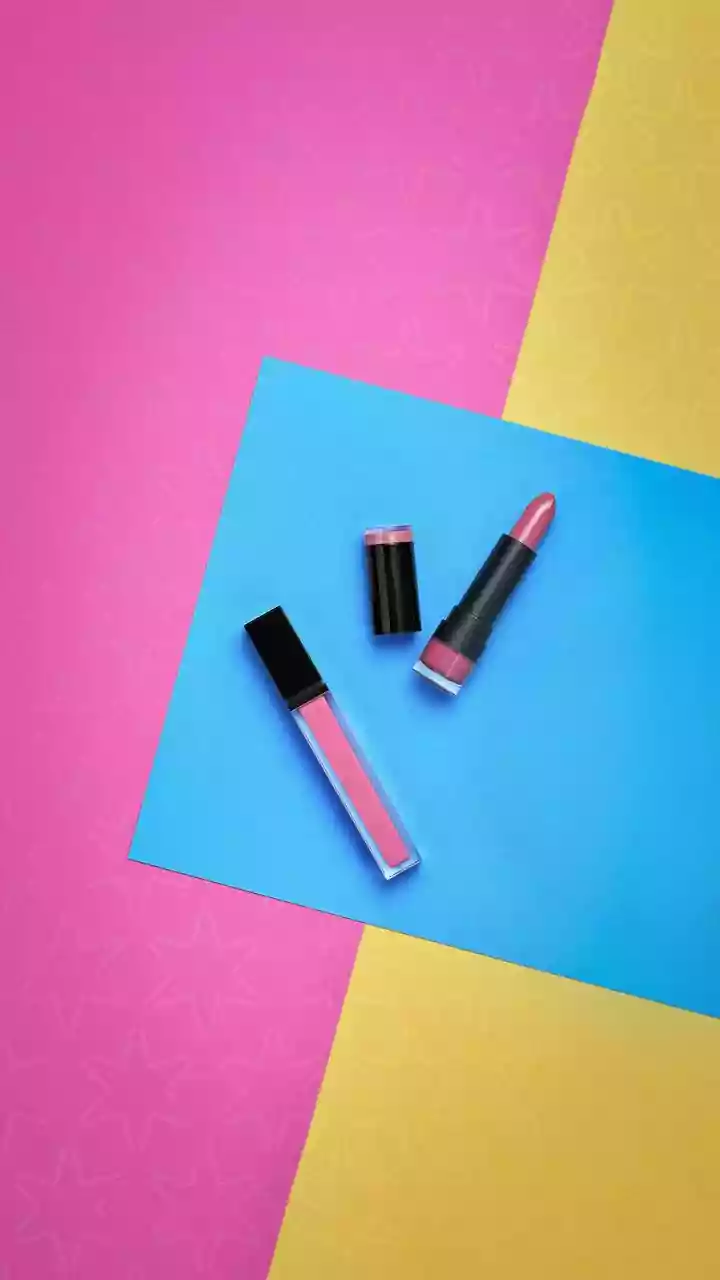
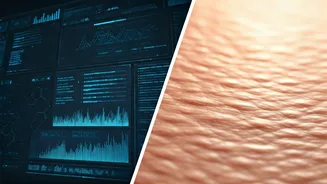
The technology driving these assistants is twofold. First, there's augmented reality (AR), which powers the virtual try-on (VTO) features that have become increasingly common. Companies like L'Oréal and Perfect Corp pioneered this, allowing users to see how hundreds of lipstick shades or foundations look on their face in real-time without making a mess. The second, and more revolutionary, technology is AI-driven skin diagnostics. Using vast databases of clinically graded images, these systems can scan your selfie and provide a detailed report on up to 14 different skin metrics. Some advanced tools, like Haut.AI's SkinGPT, can even simulate the potential results of using a specific product over time, showing you a photorealistic preview of your future skin.
The Power of Hyper-Personalization
The ultimate goal of this technology is hyper-personalization, a move away from the one-size-fits-all model that has dominated the beauty industry for decades. Brands are discovering that consumers are tired of the trial-and-error guesswork and expect tailored experiences. AI allows companies to analyze millions of data points—from skin types and environmental factors to consumer reviews on social media—to develop more effective and targeted products. This trend isn't just about recommending existing items. Some companies are experimenting with AI to create custom-blended foundations or predict the next big ingredient trend before it happens, shifting the entire product development cycle.
The Hidden Costs: Data Privacy and Bias
While the benefits are clear, the rise of AI beauty assistants also brings significant concerns, primarily around data privacy and algorithmic bias. To function, these apps require access to highly sensitive information, including facial scans that can be classified as biometric data. This has led to increasing legal scrutiny, with lawsuits alleging that some companies collect this data without proper consent. Furthermore, there is a significant risk of bias. If an AI is trained on a dataset that isn't diverse, it can perform poorly for people with darker skin tones, potentially misidentifying skin concerns or failing to recommend suitable products. Critics argue that these algorithms can reinforce narrow, often Eurocentric, beauty standards, homogenizing our definition of beauty instead of expanding it.
The Future is Custom and Conversational
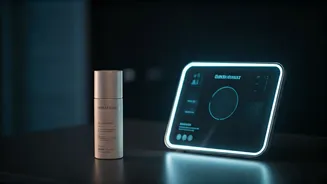
Despite these challenges, the AI revolution in beauty is accelerating. The next frontier appears to be conversational AI. Instead of just a one-off analysis, assistants like Perfect Corp's YouCam AI Agent engage in natural dialogue, learning a user's preferences over time to provide evolving advice. We're also seeing these tools integrated directly into smart mirrors at retail counters, bridging the gap between the digital and physical shopping experience. From generating unique fragrance molecules to creating custom skincare routines on demand, AI is poised to become an indispensable partner in both the creation and consumption of beauty products, making the entire experience more personal, efficient, and intelligent.