








The 'Kadha' Comeback
The first sign of a sniffle during the rains often prompts a well-meaning relative to suggest a steaming cup of 'kadha'. This traditional decoction, typically made with herbs and spices like tulsi, ginger, black pepper, and cinnamon, has seen a massive
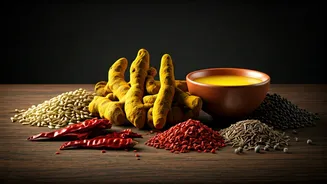
resurgence. The core idea is to boost immunity. Many ingredients in kadha do have scientifically recognised benefits: ginger is anti-inflammatory, tulsi is an adaptogen that helps the body combat stress, and turmeric (often added) is a powerful antioxidant. The 'craze' part comes from a belief that more is better. However, overconsumption can lead to issues like acidity, heartburn, and internal dryness. The key is moderation. A small cup once a day during peak monsoon is generally considered safe and comforting. But listen to your body; what works for one person might not suit another.
The Great Green Debate
One of the most persistent monsoon food rules is to avoid leafy green vegetables ('saag'). The traditional logic is sound: the high humidity and damp soil of the monsoon create a perfect breeding ground for germs, pests, and worms on greens like spinach and cabbage. In the past, when water sources were less reliable and cleaning methods weren't as robust, avoiding them was a practical way to prevent stomach infections. Today, the debate is more nuanced. If you have access to clean, filtered water, you can still enjoy your greens. The trick is preparation. Soak them in a solution of water with a bit of salt, vinegar, or turmeric for about 15-20 minutes. Rinse them thoroughly under running water and, most importantly, cook them well. Eating raw salads with leafy greens is best avoided during this season.
Fermented Foods: Friend or Foe?
Is dahi (curd) good or bad for you during the monsoon? This question sparks heated discussions every year. On one hand, probiotics in curd are excellent for gut health, which is the foundation of your immune system. A healthy gut can help you fight off the very infections that are common in this season. On the other hand, Ayurveda suggests that curd has 'cold' properties and can increase mucus production, potentially worsening colds and coughs in the damp weather. So what’s the verdict? The modern approach is to not give it up entirely, but to be smart about it. Avoid having curd late at night, and never eat it straight from the refrigerator. Let it come to room temperature first. Adding a pinch of roasted jeera or black pepper can help counteract its 'cooling' effect and aid digestion.
Frying Up a Storm
As the rain pours, the craving for hot, fried snacks like pakoras and samosas becomes almost irresistible. It’s a cultural phenomenon, a comfort food ritual deeply tied to the season. While indulging occasionally is perfectly fine and part of the monsoon experience, this has become a daily 'craze' for many. The problem is that the damp, sluggish weather can slow down our digestion. Loading up on heavy, oily foods daily can lead to bloating, indigestion, and lethargy. Furthermore, street vendors may use oil that has been reheated multiple times, which is unhealthy. The healthier approach? Enjoy your pakoras, but maybe just once a week. Try making them at home where you can control the quality of the oil, or better yet, use an air fryer for a lighter version that still satisfies the craving without weighing you down.