





Plan Ahead, Don’t Deprive
The key to a guilt-free festive season is planning, not prohibition. A common mistake is to severely restrict food in anticipation of a big meal, which often leads to overeating later. Instead, maintain your regular eating schedule. Before heading to a party
or family gathering, have a small, nutritious snack at home, like a piece of fruit or a handful of nuts. This takes the edge off your hunger, making you less likely to overindulge in fried snacks and sweets upon arrival. Think of it as a strategy for mindful enjoyment, not a diet. The goal is to avoid the 'all-or-nothing' mindset where one indulgence makes you feel like the whole day is a write-off. It’s about balance, not perfection.
Mastering Mindful Indulgence
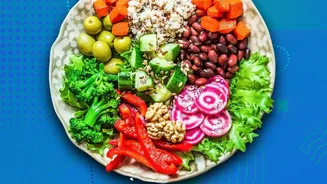
Festive platters are tempting, but you can navigate them smartly. When faced with a buffet, use a smaller plate to naturally control your portions. Fill at least half of your plate with healthier options first, such as salads, roasted vegetables, or grilled paneer. This leaves less room for high-calorie items. When it comes to traditional sweets like laddoos or jalebis, savour one piece slowly instead of mindlessly eating several. Many traditional dishes have healthier preparation methods; opt for baked or roasted snacks over deep-fried ones. For desserts, consider sweets made with natural sweeteners like dates or jaggery instead of refined sugar, or choose fruit-based desserts like kheer made with skimmed milk.
Adapting Your Fitness Routine
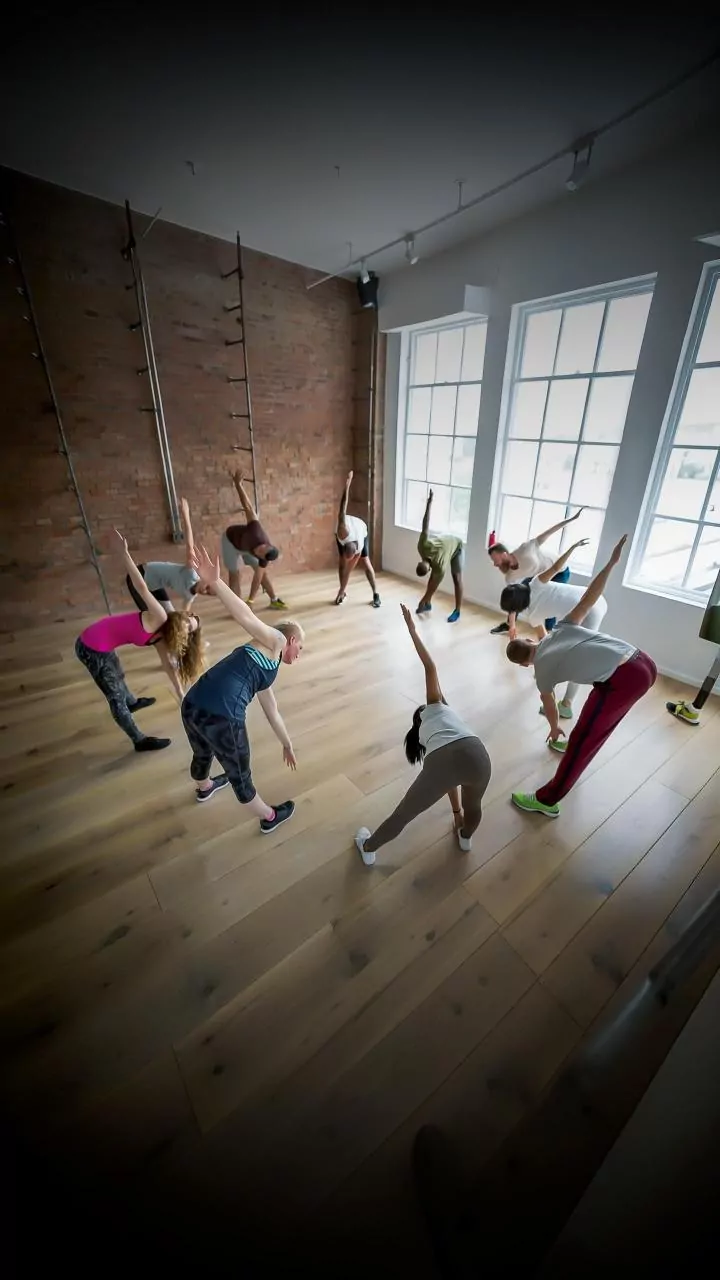
Festive schedules can be chaotic, making it easy to skip workouts. The secret is to adapt rather than abandon your routine. If you can't manage your usual hour-long gym session, aim for shorter, more intense workouts. Even 20-30 minutes of activity is far better than none. This could be a quick bodyweight circuit at home, including squats, push-ups, and planks. Walking is another powerful tool; a brisk 30-minute walk after a meal can aid digestion and help manage blood sugar levels. Try making fitness a social activity by organizing a group walk to see festive lights or playing an active game with family. The goal is to accumulate movement throughout the day—every little bit counts.
The Importance of Hydration
Thirst is often mistaken for hunger. During the festive season, with its rich foods and late nights, staying hydrated is more important than ever. Drinking plenty of water throughout the day can help you feel full, manage cravings, and prevent overeating. Start your day with a glass of water, and keep a bottle handy during celebrations. If you choose to consume alcohol, be mindful that it can impair judgment and lead to mindless snacking. Try to have a healthy meal before drinking and alternate alcoholic beverages with water to stay hydrated and reduce overall consumption.
Navigating Social Pressure Gracefully
One of the biggest challenges during festivals is the social pressure to eat. Well-meaning relatives and friends often insist you have 'just one more'. It's important to remember that it is okay to politely decline. You can say you're full, or simply accept a very small portion to show appreciation. Having a plan before you enter a social situation can make it easier to stick to your goals. If you have a friend or family member with similar health goals, you can support each other as accountability buddies. Focus on the social connection and conversations, which are the real heart of the celebration, rather than making food the central focus.