




Why the Monsoon Is Tough on Your Gut
During the rainy season, the environment becomes a breeding ground for bacteria and viruses. The high humidity can weaken our 'digestive fire', leading to issues like bloating, acidity, and indigestion. Furthermore, the risk of water and food contamination
rises, making us more vulnerable to gastrointestinal infections like diarrhoea and dysentery. Nutritionists highlight that our immune system can also take a hit, making it crucial to support our body's natural defences. This is why strengthening our gut, which houses a significant portion of our immune system, becomes a top priority during wet weather.
The Probiotic Powerhouse Solution
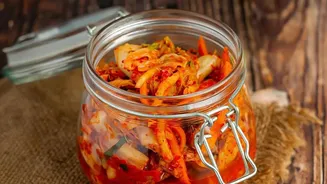
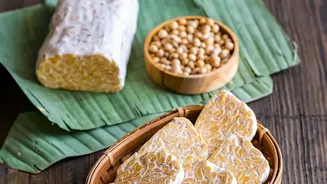
This is where fermented foods come to the rescue. These foods are rich in probiotics, which are live beneficial bacteria that help restore the natural balance of your gut microbiome. A healthy gut flora not only aids in efficient digestion and nutrient absorption but also strengthens your immune response, creating a protective barrier against harmful pathogens. Incorporating probiotic-rich foods is a natural and effective strategy to keep your digestive system resilient and your immunity strong, helping you navigate the health challenges of the monsoon.
Your Monsoon Fermented Food Guide
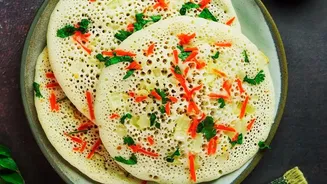
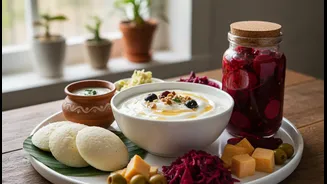
India's culinary heritage is brimming with fermented delicacies perfect for the season. Dahi (curd or yogurt) is a versatile staple, packed with Lactobacillus bacteria that soothes the stomach and aids digestion. Chaas (buttermilk), its lighter cousin, is excellent for hydration and combating acidity. For breakfast or a light meal, consider South Indian classics like idli and dosa. Their fermented batter of rice and lentils makes them easy to digest and enhances nutrient availability. The Gujarati dhokla, made from fermented gram flour, is another excellent, protein-rich option. Don't forget traditional drinks like Kanji, a North Indian beverage made from fermented carrots or beetroot, which is a powerhouse of antioxidants and probiotics. Even traditional, homemade pickles (achaar), when fermented naturally without excess vinegar, can contribute beneficial bacteria in moderation.
Making It a Daily Habit
Adding these foods to your diet is simple and enjoyable. Nutritionists suggest aiming for at least one serving of fermented food daily. You can start your day with idli or dhokla instead of processed cereals. A small bowl of fresh, homemade dahi with your lunch can work wonders for digestion. A glass of chaas post-meal is a refreshing digestive aid. You can also have a small portion of a traditionally fermented pickle as a flavourful accompaniment to your meals. The key is consistency. Making these foods a regular part of your monsoon diet provides your gut with a steady supply of beneficial microbes, helping you stay healthy and energetic.
A Note on Hygiene and Moderation
While fermented foods are beneficial, it's crucial to be mindful of hygiene, especially during the monsoon. Always opt for freshly prepared items. If you're making them at home, ensure your utensils and water are clean. When consuming curd or buttermilk, fresh is always best. With pickles, moderation is key due to their high salt and oil content; a small amount is sufficient. It’s also wise to avoid street food versions of these items, as the risk of contamination is higher. By choosing high-quality, hygienically prepared fermented foods, you can safely harness all their gut-boosting benefits.