








The New Face of Dog Food
For years, the choice for dog food was simple: dry kibble or wet canned food. Today, a new category is rapidly gaining traction in urban India—fresh food. These are not just table scraps or home-cooked meals, which can often be nutritionally incomplete.
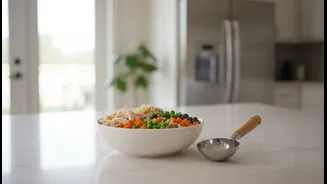
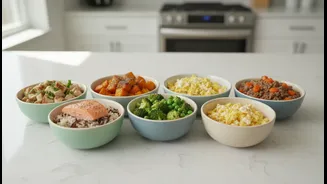
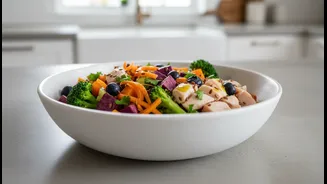
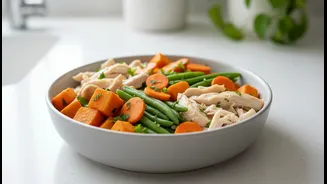
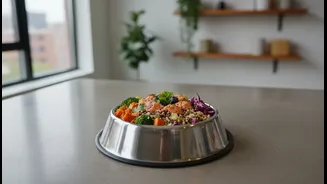
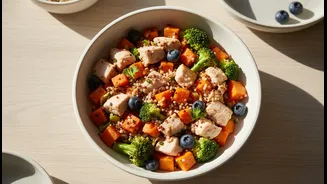
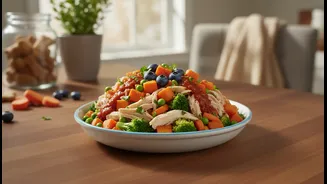
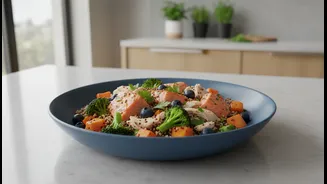
Instead, companies are offering gently cooked meals made with human-grade ingredients like chicken, fish, vegetables, and healthy grains. These services often create personalised plans based on a dog's breed, age, weight, and activity level, promising a diet tailored to their specific needs. Many of these meals are prepared in small batches, minimally processed to preserve nutrients, and delivered through a cold chain to ensure freshness, a stark contrast to mass-produced kibble designed to sit on shelves for months.
Why the Shift Is Happening Now
Several factors are driving this dietary upgrade. The most significant is the 'humanization' of pets. A 2024 survey found that 56% of Indian pet owners consider their pets to be family members, a sentiment that extends to their well-being and nutrition. This trend is most prominent in major cities like Mumbai, Delhi, and Bengaluru, where rising disposable incomes and smaller, nuclear family structures have positioned pets as cherished companions. The post-pandemic era also saw a surge in pet adoption, creating a new generation of millennial and Gen-Z pet parents who are more conscious about health and wellness, both for themselves and their furry friends. This has fueled a demand for premium, transparent, and high-quality products, pushing the Indian pet food market towards significant growth.
The Veterinarian's Role and Seal of Approval
The term 'vet-approved' carries significant weight with pet parents, and for good reason. Reputable fresh food companies collaborate with veterinary nutritionists to formulate their recipes, ensuring they are complete and balanced according to established nutritional guidelines. Veterinarians note that fresh, highly digestible food can be beneficial for dogs with sensitive stomachs, certain food allergies, or picky appetites. However, they also caution that not all fresh diets are created equal. An improperly balanced diet, whether fresh or not, can lead to nutrient deficiencies or excesses, which can be harmful over time. Therefore, the involvement of a qualified veterinary nutritionist in the formulation process is a critical mark of a trustworthy brand.
What to Look for in a Fresh Food Service
For those curious about making the switch, it's important to do your research. Look for brands that are transparent about their ingredients and sourcing. They should clearly state the composition of their meals, including the percentage of muscle meat and organs, and avoid vague terms like 'meat derivatives'. A key differentiator is the cooking process; many premium services use gentle cooking methods at low temperatures to kill bacteria while preserving vitamins and minerals, avoiding high-heat retort processing that can degrade nutrients. The ability to customise the meal plan to your dog's individual health needs is another hallmark of a quality service. Finally, check if the recipes are formulated by a veterinary nutritionist to meet established standards for a complete and balanced diet.
Is the Upgrade Worth It?
There's no denying that fresh food diets come at a higher price point than traditional kibble. The cost can be a significant barrier for many households. Proponents argue the investment may pay off in the long run with improved overall health and potentially fewer veterinary visits for diet-related issues. Pet owners who have made the switch often report benefits like a shinier coat, higher energy levels, and better digestion within weeks. Ultimately, the decision rests with the individual pet parent. It involves balancing budget, lifestyle, and the specific health needs of one's dog. The rise of this trend, however, signals a fundamental shift in how urban Indians view their pets: not just as animals to be fed, but as family members to be nourished.