







The Great Migration to Dry Ground
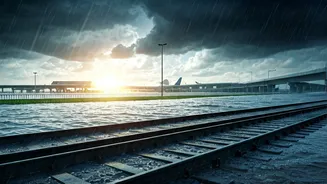
The primary reason for this seasonal surge in wildlife sightings is simple: survival. As heavy rains inundate their natural habitats, animals are forced to seek higher, drier ground. [5, 7, 11] Burrows, nests, and low-lying areas become waterlogged, pushing
creatures like snakes, rodents, and even smaller mammals out of their homes. [4, 7, 11] This forced eviction often leads them directly into our urban spaces—our gardens, garages, homes, and apartment buildings become accidental, and often unwelcome, refugee camps for displaced fauna. [7, 11] This isn't an invasion; it's a desperate search for shelter from the storm.
Our Scaly, Uninvited Guests
Perhaps no creature captures the monsoon-induced panic quite like the snake. Sightings increase dramatically as they flee flooded burrows and follow their prey—rats and frogs, which also become more active—into human dwellings. [4, 8] They can find their way into homes through drains, cracks in walls, or open doors. [7, 11] While most snakes found in urban areas are non-venomous, like the common Rat Snake, the 'Big Four' venomous species—the Indian Cobra, Common Krait, Russell's Viper, and Saw-scaled Viper—are also a risk. [4] Experts advise that the crucial first step upon spotting a snake is to remain calm and maintain a safe distance. [6, 7] Never attempt to handle or corner the snake. Instead, contain it in a room if possible, and immediately call a professional wildlife rescue service or the local forest department for safe removal. [6, 10]
From Peacocks to Pests
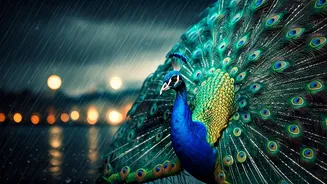
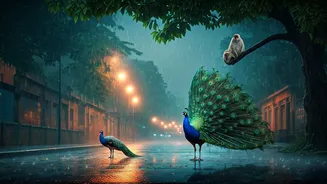
It’s not just reptiles on the move. The monsoon brings a varied menagerie into the open. Recently, residents of South Mumbai were delighted by videos of peacocks calmly strolling down busy streets just after the first rains. [2, 3, 18] These moments of unexpected beauty, often captured and shared widely on social media, highlight the more wondrous side of these urban encounters. [2] Similarly, the season is a boom time for insects. Many species that lie dormant emerge to breed, leading to an explosion in populations of moths, beetles, and winged ants. [9] This, in turn, provides a feast for birds, lizards, and other predators. [9] On the other hand, pests like rodents, cockroaches, and mosquitoes also thrive in the damp conditions, bringing with them increased health risks such as dengue and malaria. [12, 17, 28]
Navigating the New Normal
The increasing frequency of these encounters is a direct consequence of rapid urbanisation. As cities expand, they encroach upon what were once natural habitats, blurring the lines between human and animal territories. [7, 15] This forces many species to adapt to human-dominated landscapes for survival. [15] Leopards in Mumbai, jackals in Chennai, and macaques in various cities are prime examples of wildlife adapting to urban ecosystems. [19] The monsoon simply acts as an amplifier, making these hidden cohabitants impossible to ignore. It forces a confrontation that can range from delightful surprise to genuine conflict.
A Guide to Peaceful Coexistence
Living with our wild neighbours requires a shift from reaction to prevention. Experts suggest several simple steps to minimise negative encounters. Sealing cracks and gaps around doors, windows, and pipes is a crucial first line of defence. [7, 11] Ensuring drains are securely covered can prevent snakes and rodents from entering bathrooms. [11, 23] Keeping surroundings clean is also vital; clearing away clutter, garbage, and woodpiles removes potential hiding spots for snakes and reduces the presence of rodents that attract them. [5, 11] If you do encounter a wild animal, remember that it is likely more scared of you than you are of it. [6, 7] Do not provoke it. Maintain your distance, ensure pets and children are safe, and let the professionals handle it. This approach not only ensures human safety but also respects the animal's right to exist.