

Beyond the Comfort of Coffee
For years, the Indian café has been a predictable comfort zone. It’s the place for leisurely coffees, quick business meetings over sandwiches, or a quiet corner with a pastry and a book. While that charm remains, a noticeable shift is underway. Walk into
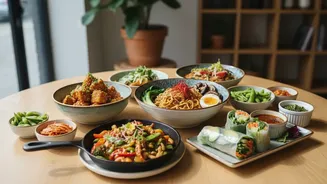
a trendy urban café today, and you are just as likely to be tempted by the aroma of a spicy ramen broth as you are by freshly ground coffee. This evolution reflects a broader change in the Indian palate, which is increasingly global, experimental, and hungry for more than just the basics. The café is no longer just a beverage stop; it’s becoming a culinary destination for quick, flavourful, and exciting meals.
A Familiarity with Flavour
One of the biggest reasons for the seamless integration of Pan-Asian food into Indian menus is its 'strange familiarity'. Decades of exposure to 'Desi Chinese'—with its beloved Hakka noodles, fried rice, and Manchurian—paved the way for more authentic Asian flavours. Unlike many Western cuisines that can sometimes feel bland to a palate accustomed to robust spices, Asian food often shares a similar flavour philosophy. The use of ingredients like ginger, pepper, basil, and coconut milk in Thai and Vietnamese cooking finds common ground with Indian kitchens, making the transition feel natural rather than foreign. This allows cafés to innovate while still catering to a core preference for bold, layered tastes.
The Rise of the Bite-Sized Meal
The headline acts of this trend are undoubtedly dumplings and noodles. Steaming baskets of momos and dim sum, whether filled with spiced vegetables, mushrooms, or paneer, have become a café staple. These bite-sized parcels are perfect for sharing, making them ideal for the social nature of café dining. They serve as a satisfying snack that feels more substantial than a plate of fries but less formal than a full meal. Joining them are fluffy bao buns with savoury fillings and crispy spring rolls, expanding the repertoire of quick, exciting vegetarian options that go perfectly with a cold brew or a hot tea.
Noodles Find a New Home
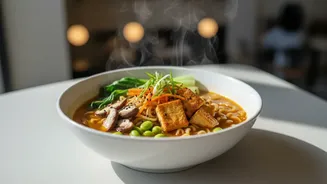
The love for noodles in India, long dominated by Maggi and street-style chowmein, has matured into an appreciation for more complex dishes like ramen. Driven by the global popularity of Japanese and Korean culture, from anime to K-dramas, ramen has emerged as a sought-after one-pot meal. Chefs are creating innovative vegetarian versions, using mushroom or soy-based broths to deliver the savoury 'umami' depth traditionally associated with meat stocks. These comforting, customisable bowls, along with vegetarian Pad Thai and spicy Korean ramyeon, are turning cafés into go-to spots for a satisfying noodle fix.
Driven by a New Generation
This culinary shift is largely powered by a younger, more adventurous demographic. Millennials and Gen Z, exposed to global cultures through travel and social media, are eager to experiment with new flavours. Instagrammable food experiences, from colourful sushi rolls to artfully arranged ramen bowls, have turned dining into a form of entertainment and self-expression. This generation's curiosity, combined with a growing consciousness around health and wellness, makes Asian cuisine—often perceived as lighter and healthier—a natural fit for the modern café lifestyle.
The Vegetarian Advantage
India's deeply ingrained vegetarian tradition gives this trend a unique advantage. With a large percentage of the population following a meat-free diet, there is a constant demand for innovative and satisfying vegetarian food. Unlike in many other countries where vegetarianism is a niche, in India, it is the mainstream. Restaurateurs and chefs are therefore highly skilled at developing flavourful plant-based dishes that don't feel like a compromise. From creating rich, savoury broths without meat to using ingredients like tofu, tempeh, and jackfruit, Indian cafes are perfectly positioned to lead the charge in creative, globally-inspired vegetarian dining.