





A Return to Roots
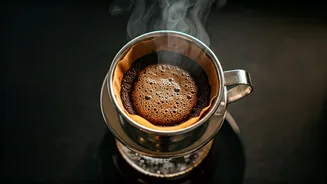
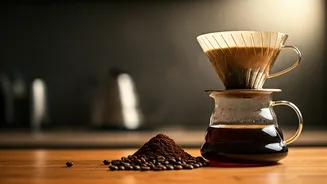
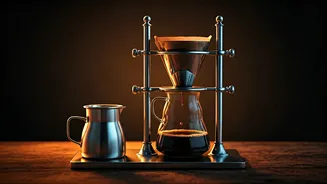
For decades, filter coffee has been the unassuming hero of South Indian mornings, a deeply personal ritual passed down through generations. Its rich aroma and the distinct method of preparation using a traditional metal-drip percolator are woven into
the cultural fabric. But what was once confined to homes and local 'darshinis' is now experiencing a nationwide rediscovery. Industry forecasts for 2026 show a significant shift towards “Slow Coffee,” with consumers actively seeking a sensory connection to their heritage over the uniformity of global coffee chains. This isn't just about a beverage; it's about reclaiming a piece of cultural identity, with consumption per capita seeing a noticeable rise in recent years.
The Allure of Authenticity
Part of filter coffee's rising popularity lies in its perceived authenticity. In an era of complex, multi-ingredient coffee concoctions, the simplicity of a decoction mixed with hot milk offers a refreshing change. It's seen as a more 'honest' cup of coffee, where the quality of the beans and the brewing process shine. This trend is amplified by a growing number of artisanal Indian brands that are giving filter coffee a premium makeover. Brands like Blue Tokai and Araku Coffee are focusing on high-quality, single-origin beans, meticulous roasting profiles, and transparent sourcing from estates in Coorg and Chikmagalur, elevating the humble filter coffee into a craft beverage. This premiumisation is a key driver of its market growth, which is projected to expand significantly by the mid-2020s.
A Counter to Café Complexity
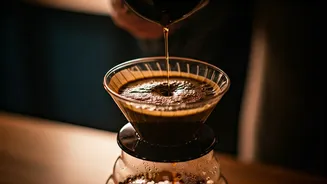
The resurgence of filter coffee can also be seen as a gentle rebellion against the dominance of espresso-based café culture. While cappuccinos and lattes have their place, their preparation can be complex and requires expensive equipment and training. Filter coffee, by contrast, is more accessible and economical, both for cafes and home brewers. Its brewing method, which involves a slow, gravity-led extraction, results in a brew that is often described as smoother, cleaner, and less acidic than espresso. This makes it appealing to a new wave of coffee drinkers who might find the boldness of espresso too intense. The focus is on nuance and flavour subtleties—notes of fruit, flowers, and chocolate—rather than sheer intensity.
The New Generation's Brew
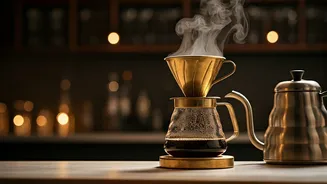
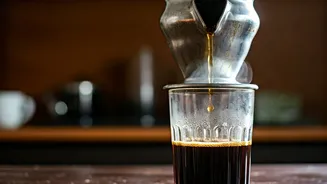
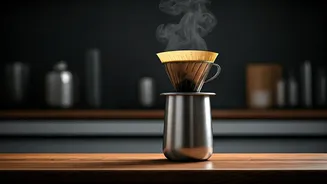
Interestingly, it's not just the older generations driving this trend. Younger consumers, including Millennials and Gen Z, are embracing filter coffee with enthusiasm. For some, it's a novel experience, a taste of tradition that feels fresh and new. For others, it's about the aesthetic and the ritual—the gleaming brass or stainless steel filter, the slow drip of the decoction, and the final flourish of 'pulling' the coffee. In a digital age, this hands-on, mindful process is an attractive act of mindfulness. Furthermore, the versatility of the decoction, which can be used in modern variations like frappes or iced coffees, allows it to compete directly with global cold brew trends, making it a fixture in trendy, new-age cafes.