








The Big News: A Flat 2% Tax on Tour Packages
The most significant change for Indian travellers comes from the Union Budget 2026, which drastically simplified the Tax Collected at Source (TCS) for overseas tour packages. Previously, travellers faced a confusing system: 5% TCS on packages up to a certain
limit, and a steep 20% beyond that. This meant a large chunk of cash was blocked upfront. Effective April 1, 2026, this has been replaced by a simple, flat 2% TCS on the total cost of any bundled overseas tour package, with no minimum threshold. For example, on a ₹8 lakh family holiday package, the upfront TCS amount has dropped from ₹40,000 to just ₹16,000, freeing up significant cash for your travel budget. This change makes booking an all-inclusive tour package more financially appealing than ever.
Know the Rules: It's Not a Universal Cut
While the 2% rate is great news, it's crucial to know that it applies exclusively to bundled 'overseas tour packages' — where flights, hotels, and other services are sold together by a single operator. If you prefer to plan your travels independently, the old rules, albeit with a higher threshold, still apply. For all other foreign remittances under the Liberalised Remittance Scheme (LRS), such as loading a forex card for independent travel or sending money abroad for investments, there is no TCS on the first ₹10 lakh in a financial year. However, once you cross that ₹10 lakh limit, a 20% TCS is levied on the amount above it. So, while a package tour gets the 2% rate from the first rupee, independent travel spending only attracts the higher 20% tax after a much larger spending threshold.
The Great Debate: Forex Card vs. Credit Card
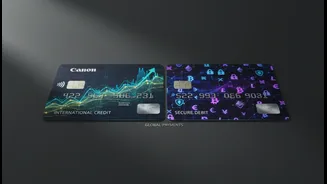
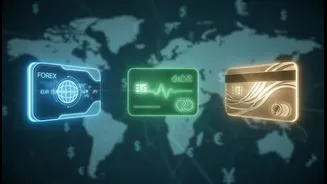
For independent travellers, the choice of how to pay is more complex than ever. Loading a forex card is considered a remittance under LRS. This means your loading amount contributes to the ₹10 lakh annual limit, and anything above that will attract a 20% TCS. While this blocks your cash, forex cards often provide the benefit of locking in exchange rates and having lower markup fees. On the other hand, spending on international credit cards while travelling abroad currently remains outside the LRS framework, meaning no TCS is collected on these transactions. This offers superior cash flow, but it comes at a cost. Most credit cards charge a foreign currency markup fee of 2% to 3.5% on every transaction, which can quickly add up and negate the savings from avoiding TCS.
The Best Part: You Get This Money Back
Perhaps the most important thing to remember about TCS is that it is not a new tax you lose forever. It is an advance tax collected by the government and credited against your Permanent Account Number (PAN). When you file your annual Income Tax Return (ITR), you can claim this amount back. If the TCS collected is more than your total tax liability for the year, you will receive the excess amount as a refund. If you have a tax liability, the TCS amount will be adjusted against it, reducing the final tax you need to pay. You can track the collected amount in your Form 26AS or Annual Information Statement (AIS) on the tax portal to ensure you get full credit.