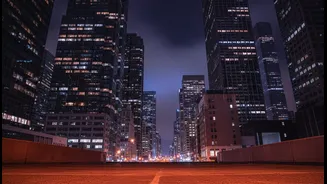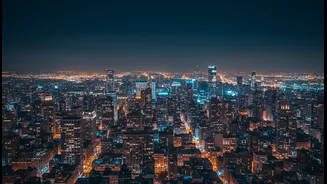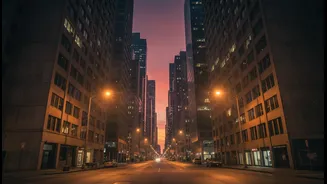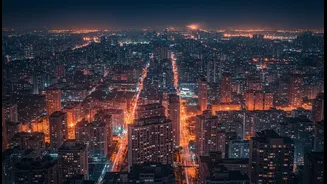






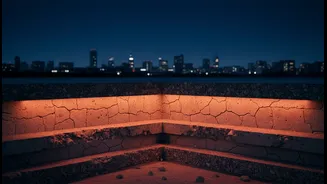



The City That Never Cools
We’ve all felt it: the strange phenomenon of a city street radiating heat hours after sunset. This is the Urban Heat Island (UHI) effect, and it’s a defining feature of modern city life in India and around the world. It describes how metropolitan areas
become significantly warmer than the surrounding rural landscapes. This temperature difference isn’t just a minor annoyance; it’s a major environmental and public health issue, with nighttime temperatures in some urban areas being up to 12°C higher than in nearby countryside. As Indian cities continue to grow denser, replacing natural landscapes with buildings and roads, this effect is intensifying, turning our urban centres into 24-hour heat traps.
Concrete’s Long, Hot Memory
The primary culprit behind the Urban Heat Island effect is the material our cities are made of: concrete. Along with asphalt, brick, and other common building materials, concrete has a high thermal mass. This means it's incredibly good at absorbing and storing heat. During the day, our buildings and pavements soak up immense amounts of solar radiation, like giant thermal batteries. Unlike natural surfaces like soil and vegetation which cool down quickly through moisture evaporation, these dense materials release their stored heat very slowly throughout the night. This slow release of warmth is what prevents urban areas from cooling down after dark, leading to persistently high temperatures well past midnight.
Why Sleep Suffers When the City Sizzles
This sustained nighttime heat has a direct and detrimental impact on our wellness, starting with sleep. Our bodies are hardwired to cool down at night, a process that is essential for initiating and maintaining deep, restorative sleep. High ambient temperatures interfere with this natural cooling process, making it harder to fall asleep and leading to more fragmented, lower-quality rest. Even with air conditioning, the body is under constant thermal stress. Studies in Indian cities like Chennai have found indoor temperatures in homes, often built with heat-trapping concrete and brick, can remain above 32°C long after sunset. Globally, it's estimated that the average person is losing dozens of hours of sleep per year due to rising nighttime temperatures.
More Than Just a Bad Night's Sleep
The consequences of relentlessly hot nights extend far beyond tiredness and irritability. The inability to cool down and recover from daytime heat puts significant strain on the body, amplifying health risks, especially for vulnerable populations like the elderly, children, and those with pre-existing conditions. Chronic exposure to nighttime heat is linked to a range of serious health issues, including increased risk of cardiovascular problems like heart attacks and strokes, respiratory distress, and diabetes. Health experts increasingly warn that high overnight temperatures can be more dangerous than daytime heatwaves because they rob the body of its crucial recovery period, turning heat exposure into a continuous, 24-hour stressor.
Cooling Our Concrete Jungles
The challenge of hot city nights is significant, but not insurmountable. Urban planners and policymakers in India are beginning to focus on mitigation strategies. The solutions lie in reimagining our urban fabric. This includes increasing green infrastructure like parks, roadside trees, and green roofs, which provide shade and cooling through evapotranspiration. Another key strategy involves using 'cool' building materials, such as reflective paints and permeable surfaces, that absorb less heat. Simple, low-cost measures like lime-washing roofs can lower indoor temperatures by several degrees. By making smarter choices in urban design—promoting ventilation corridors, preserving water bodies, and moving away from heat-absorbent materials—we can build cities that are not only sustainable but also healthier for their inhabitants.