




The Post-McCullum Reality Check
The departure of Brendon McCullum as Test coach, following seven losses in the last nine matches and a failure to win marquee series against Australia and India, signals a definitive end to a turbulent chapter. While the aggressive 'Bazball' approach
initially breathed new life into the team, its limitations were exposed. McCullum himself apologised for the results, admitting the team fell short. The recent 2-1 series loss to New Zealand and a humbling 4-1 Ashes defeat in Australia underscored the need for a tactical recalibration. This isn't just about replacing a coach; it's about addressing the fundamental weaknesses that persisted even during the highs: batting fragility and questions over team culture. The next leader can't just be another ideologue; they must be a pragmatist.
A New Leader for a New Era
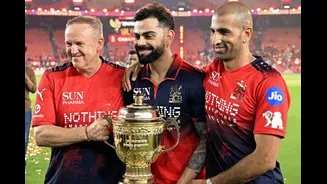
With Ben Stokes gone, the captaincy is a crucial first step. Harry Brook has been backed to succeed him, but leadership requires more than just talent. An ideal candidate for the new coach could be someone like Andy Flower, who previously brought enormous success to England. His disciplined, tough-minded approach might be the perfect antidote to an era that was sometimes criticised for prioritising entertainment over results. Flower's experience building winning structures is undeniable, though tempting him away from lucrative franchise contracts will be a challenge for the ECB. The key is finding a figure who can harness the attacking instincts fostered by McCullum but ground them in the tactical discipline required to win five-day contests against the world's best.
The Perennial Problem: Batting Depth
For years, England's top order has been its Achilles' heel. The revival hinges on finding batsmen with the technique and temperament for the long game. The County Championship is the primary source, and several names are making compelling cases. Somerset’s James Rew, who has already scored 11 first-class hundreds at 22, shows immense promise and has the experience to back his talent. Glamorgan's Asa Tribe, who impressed for the Lions, is another genuine contender for a top-order spot. Then there's the question of what to do with established players like Zak Crawley, whose inconsistency has put his place under pressure. The next selection panel must be bold, rewarding consistent county performers and giving them the extended run needed to adapt to the pressures of Test cricket, rather than recycling the same failing faces.
Finding the Next Generation of Attack
An aging pace attack has been a long-standing concern. Finding bowlers who can take 20 wickets, especially on unresponsive overseas pitches, is paramount. Essex's Sam Cook, who had a brief taste of Test cricket, is seen by many as a classic English-style seamer who could provide control and skill. Hampshire's Eddie Jack, a 20-year-old seamer who has already featured for the England Lions, offers exciting pace potential. On the spin front, the development of Rehan Ahmed is critical. His batting has improved dramatically, making him a potential all-rounder, but his bowling needs refinement to become a consistent Test-level threat. Cultivating these talents requires patience and a clear pathway from county to international level, something that has felt muddled in recent years.
An Architect for the Future
Ultimately, on-field talent can only flourish within a supportive structure. This places huge responsibility on the ECB and its Director of Cricket, Rob Key. The board's strategy, 'Inspiring Generations', aims to grow the game and support a high-performing professional system. However, critics argue that the domestic schedule, particularly the marginalisation of the County Championship to the start and end of the season, hinders the development of Test-quality players. The obsession with The Ashes, as noted by ECB CEO Richard Gould, can also detract from building a team capable of winning consistently worldwide. A true revival requires a systemic commitment to prioritising Test cricket, ensuring the domestic game produces players with the right skills, and moving beyond a fixation on a single rivalry.