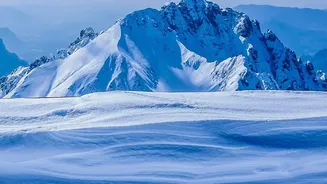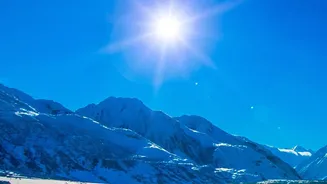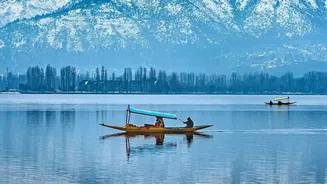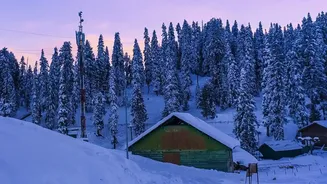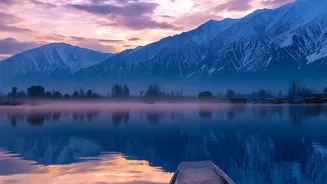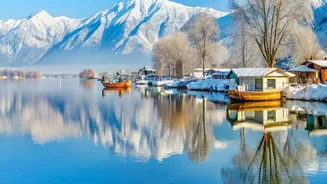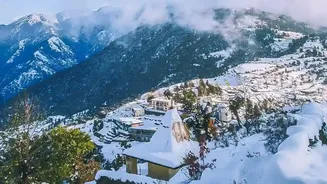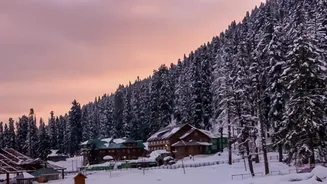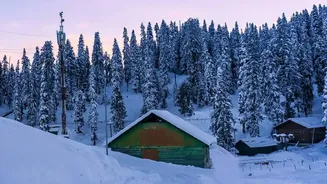

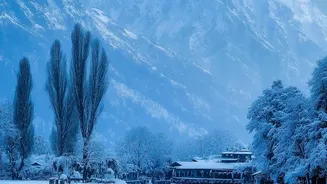
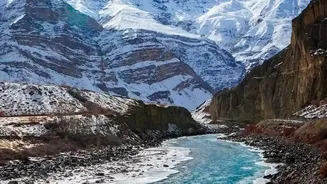
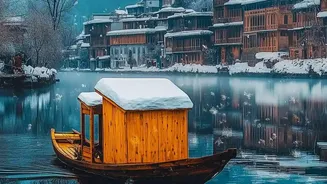
When you picture a Kashmiri winter, chances are you see Gulmarg's snow-dusted slopes. But beyond this famous resort lies a quieter, more intimate winter experience, where the rhythm of life and travel is dictated by the season's first snowfall.
Beyond the Gondola's Shadow
For decades,
Gulmarg has been the undisputed king of winter tourism in India. Its world-class ski resorts, reliable snow, and iconic Gondola ride make it a magnet for adventure seekers. But as its popularity has grown, so have the crowds. For travellers seeking a different kind of winter magic—one defined by serene landscapes, quiet walks, and a closer look at local life—the valley offers a wealth of alternatives. Exploring beyond Gulmarg not only provides a more peaceful holiday but also helps distribute the economic benefits of tourism to other communities, especially during the harsh winter months.
Pahalgam: A Quiet Winter Fairytale
Pahalgam, often called the 'Valley of Shepherds', transforms into a tranquil wonderland in winter. Unlike the high-octane energy of Gulmarg, Pahalgam offers slow-paced charm. The Lidder River, with ice forming at its edges, flows through a landscape of snow-covered pines. Key areas like Betaab Valley generally remain accessible and are perfect for families, offering gentle slopes for sledging and plenty of space for snow play. While advanced skiing isn't the main draw here, basic skiing for amateurs is sometimes available. Heavy snowfall can occasionally close the roads to higher reaches like Aru Valley or Chandanwari, so it's always wise to check conditions locally before setting out. This dependence on clear roads is a perfect example of how snowfall directly impacts local travel.
Sonamarg: The Reopened 'Meadow of Gold'
Historically, Sonamarg was largely inaccessible during peak winter due to heavy snowfall and avalanche risks on the approach roads. However, the game has changed with the opening of the Z-Morh Tunnel in early 2025, which provides all-weather connectivity to the town. This means travellers can now experience Sonamarg's dramatic high-altitude scenery—towering peaks and vast snowy meadows—even in January and February. While the town itself is now reachable, it's important to set realistic expectations. Access to spots like Thajiwas Glacier or Zero Point is not guaranteed and depends entirely on daily weather and safety conditions. A day trip from Srinagar is feasible, but requires an early start to make the most of limited winter daylight.
Doodhpathri and Yusmarg: Off The Beaten Path
For those truly looking to escape the crowds, the meadows of Doodhpathri and Yusmarg are sublime choices. These destinations, located in the Budgam district, are less commercialised and offer a raw, untouched beauty. In winter, they become vast expanses of pristine snow, surrounded by quiet pine forests. Reaching them often requires a 4x4 vehicle and a flexible itinerary, as access is highly dependent on road clearance after a fresh spell of snow. Local vendors offer sledge rides and snow boot rentals, providing a direct source of income for residents. A trip to these meadows is less about a checklist of sights and more about soaking in the profound peace of Kashmir's deep winter.
Snowfall: A Double-'Edged Sword for Locals
For the people of Kashmir, heavy snowfall is both a blessing and a challenge. The 40-'day period of harshest winter, known as 'Chillai Kalan', starting December 21st, can bring life to a standstill. The Jammu-'Srinagar highway, the valley's main supply artery, often closes, disrupting the flow of essential goods. Water pipes can freeze and power outages become more frequent. Yet, this same snow is the lifeblood of the region's economy and ecology. It fuels winter tourism, creating jobs for hotel staff, guides, taxi drivers, and pony-'wallahs not just in Gulmarg but across the valley. More crucially, the accumulated snowpack melts slowly in the summer, replenishing the rivers that are vital for drinking water, agriculture, and hydroelectric power. In recent years,' however', climate change has led to more erratic and reduced snowfall,' causing concern among both tourism stakeholders and farmers.