




The Science of Blooming Saffron
The single most important step when using saffron is to 'bloom' it. This involves steeping the threads in a warm liquid, like milk, before adding them to a recipe. Saffron threads contain potent compounds responsible for colour (crocin), flavour (picrocrocin),
and aroma (safranal) that are locked away. Blooming hydrates the threads, allowing these elements to be fully released and extracted into the milk. This simple act ensures that the spice's luxurious qualities are distributed evenly throughout your dish, preventing pockets of bitterness and maximising its value. Without this step, you are only getting a fraction of the saffron's potential.
How to Perfectly Infuse Milk
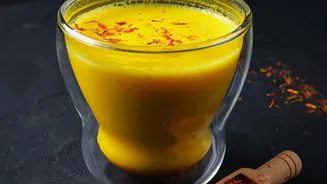
Creating saffron-infused milk, or kesar doodh, is a simple but precise process. Start by gently warming your milk—whole milk is excellent for a creamy result, but almond or oat milk also work well. The key is to use warm, not boiling, liquid. High heat can destroy saffron's delicate aromatic compounds. For one cup of milk, use about 5 to 10 good-quality threads. Lightly crush the threads between your fingers or with a mortar and pestle to increase their surface area. Place the crushed saffron in a small bowl, pour a few tablespoons of the warm milk over them, and let it steep for at least 15 to 20 minutes. You will see the milk transform into a rich, golden liquid, ready to be used.
Saffron Milk vs. Dry Threads
The difference between using saffron-infused milk and adding dry threads directly to a dish is significant. Sprinkling dry threads, especially late in the cooking process, results in uneven flavour and colour. You might get a strong, bitter taste in one bite and none in the next. The infused milk, however, acts as a carrier, ensuring every part of your dish receives a consistent, balanced touch of saffron's honeyed, floral notes. Milk's fat content also beautifully mellows saffron’s sharper edges, creating a rounder, fuller flavour profile that is particularly desirable in dairy-based desserts and creamy dishes. This technique guarantees a more refined and evenly coloured final product.
Ideal Dishes for Saffron Milk
Saffron-infused milk is a cornerstone of many iconic Indian dishes. In desserts, its role is legendary. It provides the signature colour and aroma for sweets like Kheer (rice pudding), Phirni, and Ras Malai. In these dairy-rich preparations, the saffron's flavour is carried beautifully. It is also essential in Shrikhand, a sweetened strained yogurt dessert. Beyond sweets, saffron milk is key in savoury dishes, most notably Biryani. Drizzling the infused milk over the layered rice during the final 'dum' or steaming stage creates the classic jewelled appearance and ensures the aroma is preserved. A simple glass of warm Kesar Doodh, sweetened with a bit of sugar or honey and perhaps a pinch of cardamom, is a comforting beverage in its own right.
Common Mistakes to Avoid
To get the best results, avoid these common errors. First, never add saffron to boiling milk, as extreme heat can scorch the spice and dull its aroma. Second, resist the temptation to use too much saffron; a little goes a long way, and an excess amount will make your dish unpleasantly bitter. About 15-20 threads are often sufficient for a family-sized dish. Third, do not add threads directly to a dish without blooming them first. Finally, be wary of counterfeit saffron. Real saffron threads are trumpet-shaped, deep red, and release their golden colour slowly in warm liquid. Fake saffron often bleeds a bright red colour instantly.