


Beyond the Passport Stamp
At its heart, visa-free travel eliminates the bureaucratic hurdles that can make crossing into a neighbouring country a stressful and costly affair. Instead of lengthy applications, appointments, and uncertainty, it allows for spontaneous and easy movement.
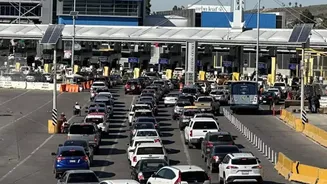
For overland travel, this is particularly transformative. It means a student can cross the border for a weekend festival, a family can visit relatives without weeks of planning, or a trader can sell their goods in a nearby market across the border. This simple change in policy shifts the dynamic from one of formal, state-controlled interaction to informal, person-to-person connection, laying the groundwork for genuine understanding and friendship.
The Roti-Beti Relationship: India and Nepal
The 1,751-kilometre open border between India and Nepal is perhaps one of the world's most profound examples of this principle in action. Governed by the 1950 Treaty of Peace and Friendship, citizens of both nations can cross, live, and work in the other's country with minimal formality. This has nurtured what is famously known as the 'roti-beti ka rishta' (the relationship of bread and daughter), signifying deep ties through livelihood and marriage. Pilgrims move freely to sacred sites like Pashupatinath in Kathmandu or Varanasi in India, reinforcing a shared spiritual heritage that predates modern nation-states. This daily, unrestricted flow of people means cultures are not just connected; they are deeply intertwined, sharing everything from language and cuisine to celebrations and familial bonds.
A Bridge of Friendship with Bhutan
The arrangement with Bhutan, while different, also demonstrates the power of simplified access. Indian citizens do not require a visa to enter the Himalayan kingdom, though an entry permit is necessary. This special arrangement, rooted in a long-standing treaty of friendship, makes visiting Bhutan far more accessible for Indians than for other nationalities. This policy has cultivated a unique tourism relationship built on mutual respect. Indian travellers get to experience Bhutan's unique 'Gross National Happiness' philosophy and pristine landscapes firsthand, while Bhutan benefits from a steady stream of tourism that supports its economy. The process fosters a more intimate travel experience, encouraging visitors to respect local customs and contributing to a sense of shared regional identity.
The Cultural and Economic Ripple Effect
When borders become more porous, the benefits ripple outwards. The most immediate impact is economic. Increased visitor numbers support local businesses, from small guesthouses and restaurants to artisans selling traditional crafts. This economic interdependence creates a shared interest in maintaining peaceful and open relations. Culturally, the exchange is even richer. Music, art forms, and culinary traditions cross-pollinate, creating vibrant, hybrid cultural scenes in border towns. Young people, in particular, are exposed to new ideas and perspectives, breaking down stereotypes that can build up when neighbours are kept apart. This organic diffusion of culture, happening one conversation and one shared meal at a time, is far more impactful than any formal diplomatic initiative.
Lessons from a Borderless World
This phenomenon is not unique to South Asia. The European Union's Schengen Area, which allows for passport-free movement across 27 countries, is a testament to how open borders can transform a continent once defined by conflict into a community defined by shared opportunities. It has made cross-border commuting, studying, and living a reality for millions, deepening European integration from the bottom up. While the political context is different, the underlying human principle is the same: when people are free to meet, they are more likely to find common ground. Initiatives like the SAARC visa exemption scheme, despite political setbacks, were founded on this very idea of fostering regional people-to-people contact.