


A daily cup of tea is a cherished ritual, a moment of calm in a busy day. But what if a few common misunderstandings are standing between you and the perfect brew? Let's clear up the confusion and elevate your tea experience.
Myth: All Tea Needs Boiling Water
Using water at a rolling boil
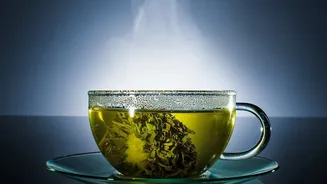
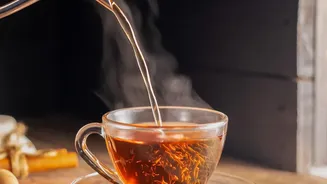
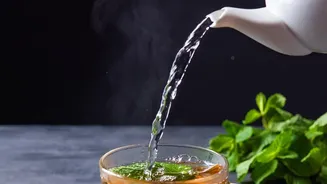
for every type of tea is one of the most common mistakes. While robust black teas, pu-erhs, and most herbal infusions love the heat, delicate leaves require a gentler approach. Boiling water will scorch fragile green and white tea leaves, releasing excessive tannins and resulting in a bitter, astringent taste. For green tea, aim for water between 70-80°C. White teas are best brewed at a slightly higher 75-85°C. A variable temperature kettle is a great tool, but you can also simply let your boiled water cool for a couple of minutes before pouring. Getting the temperature right is often the single biggest improvement you can make to your daily cup.
Myth: The Longer You Steep, the Stronger the Flavour
While it seems logical that more time equals more flavour, over-steeping is the fast track to a bitter, unpleasant cup. Different compounds in tea extract at different rates; the desirable aromatic oils come out first, followed by the more astringent tannins. Leaving your tea to infuse for too long upsets this balance. Each tea has its own ideal steeping window. Green teas are quick, often perfect in just 1-3 minutes. Black teas can handle a longer brew of 3-5 minutes. Oolongs and herbal teas vary, but generally fall into the 3-7 minute range. Instead of steeping longer for a stronger taste, it's better to use more tea leaves.
Myth: Squeezing the Tea Bag Gets More Flavour Out
It’s a classic move: wrapping the string around your spoon and pressing the tea bag against the side of the mug to get every last drop. While it feels resourceful, this action forces out the dregs of the tea, which are full of bitter-tasting tannins. Tannins are naturally occurring compounds that cause that dry, puckering sensation, and squeezing the bag releases a high concentration of them, overpowering the more delicate flavours of your brew. The result isn't a stronger, more flavourful tea, but a harsher, more bitter one. For a smoother cup, simply lift the bag out gently after it has finished steeping.
Myth: Tea Lasts Forever if Stored Anywhere
Tea leaves are sensitive and will lose their flavour and aroma if not stored correctly. Their main enemies are air, heat, light, and moisture. Many people make the mistake of keeping their tea in clear glass jars on the countertop. While aesthetically pleasing, this exposes the leaves to light, which degrades their quality. The best way to store tea is in an airtight, opaque container kept in a cool, dark place like a pantry or cupboard, away from the stove and any strong-smelling spices, as tea can easily absorb other odours.
Myth: Adding Milk Ruins the Health Benefits
For many, a splash of milk is non-negotiable, especially with a robust black tea. The concern often raised is that milk proteins, called caseins, bind with the tea's beneficial antioxidant compounds (flavonoids), potentially reducing their absorption. However, the research on this is mixed and inconclusive. Some studies show a slight reduction in antioxidant activity, while others find no significant effect, and some even suggest a combined benefit in certain contexts. The consensus is that while there might be a minor interaction, adding milk does not eliminate the health benefits of tea. Ultimately, if a splash of milk makes you enjoy your tea more, it's a worthwhile addition.
Myth: You Should Only Use Leaves Once
This idea largely comes from the experience of using standard tea bags, which contain small, broken leaves (fannings and dust) that release all their flavour in the first infusion. However, high-quality loose-leaf teas, especially oolongs, greens, and whites, are designed to be steeped multiple times. Each subsequent infusion can reveal new layers of flavour and aroma. For many oolongs and pu-erhs, the second or third steep is often considered the best. So don't be so quick to toss those leaves; try a second or even third brew and see what new tastes emerge.