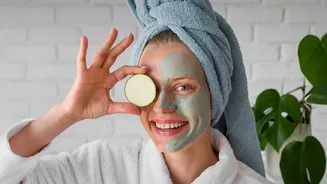




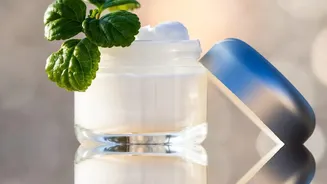

As temperatures drop, the battle against dry, flaky, and uncomfortable skin begins. The crisp winter air, combined with indoor heating, can strip your skin of its natural moisture, leaving it feeling tight and irritated. Here’s a deeper look at why.
Understanding the Winter Skin Effect
The
primary reason your skin suffers in winter is a dramatic drop in humidity. Cold air holds significantly less moisture than warm air. This dry environment acts like a sponge, pulling moisture directly from the outer layer of your skin in a process called transepidermal water loss. Compounding the issue is indoor heating, which further dries out the air inside your home and office. This constant exposure weakens your skin's natural protective barrier—a wall of fats and proteins meant to lock moisture in and keep irritants out. When this barrier is compromised, your skin becomes vulnerable to dryness, redness, itchiness, and a dull complexion.
Upgrade Your Cleansing and Moisturising Routine
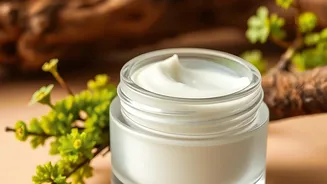
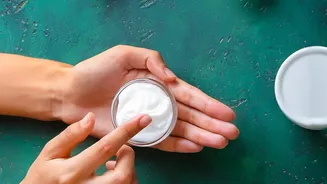
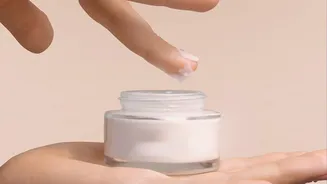
The foundation of winter skin protection is a gentle routine. Many foaming cleansers that work well in summer can strip the skin of its essential oils, making dryness worse. Consider switching to a cream-based or hydrating gel cleanser that cleans without disrupting the skin barrier. After washing, the next step is crucial. While your skin is still damp, apply a moisturizer to trap the water before it evaporates. In winter, a lightweight lotion might not be enough. Opt for a richer, thicker cream or an ointment. Ointments and heavy creams provide a more substantial barrier to prevent moisture loss throughout the day.
Key Ingredients to Look For
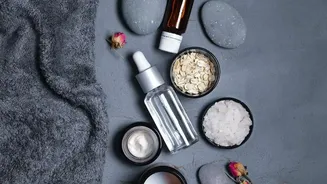
Reading the ingredient list can make all the difference. For intense hydration, look for humectants, which draw moisture into the skin. Hyaluronic acid is a superstar in this category, capable of holding up to 1,000 times its weight in water. Glycerin is another effective and gentle humectant found in many products. To repair and support your skin's barrier, ceramides are essential. These are lipids that naturally occur in the skin and help hold skin cells together, effectively patching up the 'mortar' in your skin's brick wall. Other powerful ingredients include niacinamide, which strengthens the barrier and calms redness, and occlusives like shea butter or squalane, which form a protective seal on the surface.
Protect All Exposed Skin, Not Just Your Face
While the face gets most of our attention, other areas are just as exposed and vulnerable. Your hands are frequently washed and exposed to the cold, making them prone to cracking and dryness. Keep a good hand cream readily available and use it consistently, especially after washing. Your lips, which have very thin skin, also need extra protection. A moisturizing lip balm with ingredients like shea butter or beeswax can prevent chapping. When you venture outside, wearing gloves and a scarf provides a physical barrier against harsh wind and cold, which is one of the simplest and most effective ways to protect your skin.
Don't Forget Winter Sunscreen
It’s a common mistake to put sunscreen away once summer ends. However, harmful UV rays are present yearround, even on cloudy days. Snow can reflect up to 80 percent of the sun's UV rays, meaning you can be exposed to them twice. Sun damage further compromises your skin barrier, exacerbating dryness and irritation. Make it a habit to apply a broad spectrum sunscreen with an SPF of 30 or higher to all exposed areas, including your face, neck, and hands, every single morning.
Simple Lifestyle Habits for Better Skin
What you do at home can have a huge impact. Long, steamy showers may feel comforting, but hot water strips the skin of its natural oils. Opt for shorter, lukewarm showers instead. Placing a humidifier in your bedroom or office can add muchneeded moisture back into the air, helping your skin stay hydrated. Finally, hydration starts from within. Make sure you are drinking plenty of water throughout the day and consider incorporating foods with high water content and healthy fats into your diet to support overall skin health.