






The Big Shift: From Back to Front
For years, shoppers have had to turn over packages and decipher the fine print of the nutrition information table to understand what's inside. The Food Safety and Standards Authority of India (FSSAI) is now set to bring this crucial information to the forefront.
The proposal, which is currently under review by the Supreme Court, aims to introduce mandatory Front-of-Pack Labelling (FOPL) for packaged foods. Instead of you needing a degree in nutrition to understand grams and percentages, a simple, clear warning will tell you instantly if a product contains excessive amounts of unhealthy ingredients. This move is designed to empower consumers to make quicker, healthier decisions at a glance.
Meet the 'Warning Label'
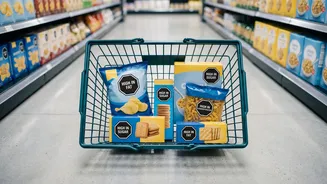
The proposed warning system is straightforward. FSSAI plans to use a red hexagon on a white background, placed on the top-left of the package. This symbol is hard to miss and the colour red universally signals caution. Inside this hexagon, you will find words like “High in Sugar,” “High in Salt,” or “High in Fat.” In a recent development, FSSAI has told the Supreme Court it plans a single-phase rollout. This means a product will get a warning label even if it crosses the threshold for just one of these nutrients of concern. If a food item is high in more than one, say both salt and fat, both will be mentioned within the same single hexagon.
Decoding 'High In...'
So, what does “high” actually mean? The thresholds for what constitutes high fat, sugar, or salt are based on the Dietary Guidelines for Indians, 2024, issued by the National Institute of Nutrition (ICMR-NIN). The focus will be on 'added' sugar and fat, meaning what's put in during processing, not what's naturally present. For example, a fruit-based product's natural sugars wouldn't count towards the threshold, but any sugar added by the manufacturer would. This helps differentiate between naturally occurring nutrients and those added to make products more palatable but less healthy. The FSSAI is also proposing a separate front-of-pack warning for products that contain artificial or non-caloric sweeteners.
Why These Warnings Matter
This regulatory push is a direct response to a growing public health crisis. India is facing a significant increase in non-communicable and lifestyle diseases like obesity, diabetes, and heart conditions. Recent data from the National Family Health Survey shows a worrying rise in obesity among both men and women. At the same time, household spending on processed foods is steadily increasing. These warning labels are a crucial public health intervention designed to curb the overconsumption of foods high in fat, sugar, and salt (HFSS), which are major contributors to these health problems. By making the nutritional information impossible to ignore, the goal is to nudge consumers toward healthier habits.
Your Practical Shopping Guide
Once these labels are implemented, here is how you can use them to shop smarter. When choosing between two brands of the same product, like biscuits or instant noodles, a quick glance at the front of the pack will tell you which one has a better nutritional profile. A product without a red hexagon is likely a healthier choice than one with a “High in Sugar” warning. Don't be swayed by marketing claims like “natural” or “healthy oats.” Instead, trust the warning label as your primary guide. It’s also important to note that some single-ingredient products like pure ghee, oil, sugar, and honey will be exempt from these rules. The label is there to inform, not to prohibit, giving you the power to balance your diet according to clear, factual information.