







The Rise of the Solar-Powered Nomad
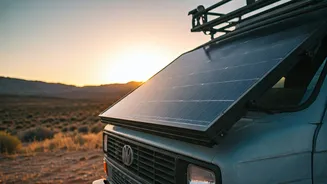
Gone are the days when a road trip meant completely disconnecting. Today, a growing movement of young travellers, digital nomads, and weekend warriors are redefining adventure. They're outfitting their cars, vans, and even SUVs with portable solar panel
setups, creating self-sufficient mobile bases that allow them to work, explore, and live off-grid without sacrificing modern essentials. This trend is driven by a desire for freedom from crowded campsites, a commitment to sustainable travel, and the practical need to power laptops, phones, and cameras from anywhere—be it a remote Himalayan valley or a secluded beach in Goa.
Anatomy of an Off-Grid Setup
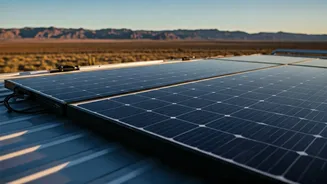
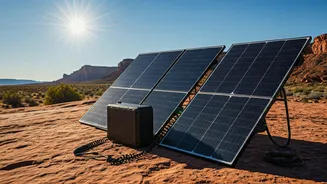
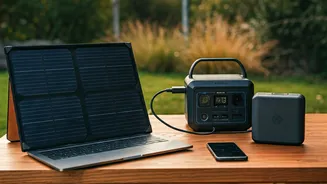
At its heart, a portable solar setup is surprisingly simple and consists of four key components. First are the solar panels themselves, which can be foldable, flexible, or rigid, designed to capture sunlight and convert it into electrical energy. This energy is then sent through a charge controller, a small device that regulates the flow of electricity to protect the battery. The core of the system is the power station or battery bank, which stores the collected energy for later use. Finally, an inverter converts the stored DC power from the battery into AC power, the standard current used by most household devices like laptop chargers and small appliances. Many modern 'solar generators' now conveniently package the battery, charge controller, and inverter into a single, portable unit.
What Can You Actually Power?
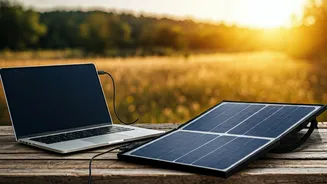
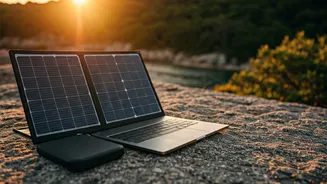
The power you can generate depends on the size of your setup, but even a modest system can be a game-changer. A common beginner setup, featuring a 100-200 watt panel and a 500-1000 watt-hour (Wh) battery, can easily handle the daily needs of a digital nomad. This typically includes charging multiple smartphones several times over, keeping a laptop powered for a full workday, running energy-efficient LED lights for hours, and operating a small 12V portable fridge to keep food fresh. For those with more significant power needs, such as running fans, blenders, or other small kitchen appliances, larger panel arrays and battery banks can be installed, turning a simple vehicle into a fully functional home on wheels.
The Cost vs. The Freedom
Embarking on a solar-powered journey requires an initial investment. A basic, high-quality portable power station and a compatible 100W solar panel can cost anywhere from ₹40,000 to over ₹1,00,000, depending on the brand and capacity. While this might seem steep, frequent travellers see a quick return on investment. It eliminates the need for expensive powered campsites, which can cost hundreds or thousands of rupees per night. More importantly, it unlocks unparalleled freedom. It’s the ability to chase perfect weather, follow less-travelled roads, and wake up to pristine views, all while staying connected and self-sufficient. For many, this freedom from the grid is priceless.
Getting Started: First Steps
Before you invest, the first step is to conduct a 'power audit'. Make a list of all the devices you want to run and find their wattage. This will help you calculate your daily energy consumption and determine the right size for your battery and panels. Start small; you can always expand your system later. Many modern portable power stations are plug-and-play, requiring no complex wiring. You simply unfold your panel, plug it into the station, and let the sun do the work. Always prioritise safety by using high-quality components and following the manufacturer’s instructions, especially regarding ventilation for the battery unit and securing panels to your vehicle.