



The Stars of Sikkimese Street Food
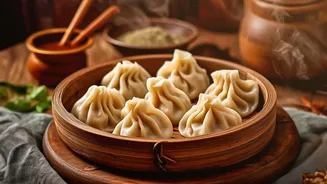
When you think of Sikkimese food, two dishes immediately come to mind: momos and thukpa. Momos, the beloved Tibetan-style dumplings, are a staple here. They come steamed or fried, filled with everything from minced meat to fresh vegetables and local cheese,
and are served with a fiery red chilli chutney. Thukpa is the perfect companion for Sikkim’s chilly weather—a hearty and flavourful noodle soup brimming with vegetables or meat. This comforting 'hug in a bowl' is not just a meal; it's an experience, reflecting the region's Nepalese and Tibetan cultural influences. These dishes are ubiquitous, found in bustling market stalls and tiny family-run eateries across the state.
A Delicious Deal: The Real Cost
The main appeal of sticking to local cuisine is its incredible value. A plate of eight to ten momos at a local spot can cost between ₹80 and ₹150. Similarly, a generous, meal-sized bowl of thukpa will typically set you back ₹80 to ₹120. In contrast, dining at a mid-range restaurant catering to tourists with multi-cuisine menus can cost significantly more, with meals for two easily reaching ₹800 to ₹1500. A traveller on a strict budget can manage their daily food expenses within ₹500 by sticking to these local delights, whereas a day of café-hopping and restaurant dining could cost over ₹1,200. The savings are substantial, allowing you to allocate more of your budget towards experiences like sightseeing and transport.
Where to Find Authentic, Affordable Eats
To find the best and most affordable food, venture away from the main tourist promenades like Gangtok's MG Marg. While the main street has plenty of good restaurants, the smaller lanes and markets, such as Lal Bazaar, are where you'll find the hidden gems. These unassuming local eateries and street food stalls are where residents eat, guaranteeing an authentic taste at a fraction of the price. For instance, a thukpa that costs ₹280 at a fancy cafe on MG Marg might only be ₹80 just one lane away. Don't be afraid to explore these smaller establishments; they often offer the most memorable culinary experiences and directly support local families.
Beyond Momos and Thukpa
While momos and thukpa are the headliners, Sikkim’s affordable culinary scene has much more to offer. Look out for Sel Roti, a crispy and soft ring-shaped rice bread that makes for a delicious and cheap breakfast, often costing just ₹10 to ₹40. Another must-try is Phagshapa, a traditional dish of pork cooked with radish and dried chillies, which offers a tangy and spicy flavour profile. For the more adventurous, there's Gundruk, a fermented leafy green vegetable often served as a savoury soup. These dishes are not only pocket-friendly but also provide a deeper insight into the local food culture, which is rich with unique fermented and organic ingredients.
The Smart Traveller's Choice
Choosing to eat local in Sikkim does more than just keep your food costs low. It's an act of cultural immersion. Each meal tells a story of the state's diverse heritage, blending Tibetan, Nepali, and indigenous influences. Furthermore, spending your money at small, local eateries ensures that your tourism benefits the community directly. It's a sustainable way to travel, creating a more meaningful connection with the place you're visiting. Instead of opting for generic North Indian or continental food, which you can find anywhere, embracing Sikkim’s local flavours enhances your entire travel experience. It’s a simple strategy: eat what the locals eat, save money, and get a true taste of the Himalayas.