







The Psychology of the Digital Rupee
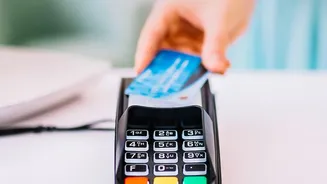
Paying with cash creates a tangible sense of loss—what economists call the 'pain of paying'. When you hand over physical notes, your brain registers the departure of money. Digital transactions, however, are nearly frictionless. A quick scan and a four-digit
PIN feel less like spending and more like a simple action. This psychological detachment can lead to a 'tap and forget' mentality, making it easy to overspend without realising it. Studies have shown that the effortless nature of UPI can weaken financial self-control, as users lose track of their actual expenditure until they check their bank balance at the end of the month.
Become a Financial Detective: Audit Your Spends
The first step to taming any problem is understanding its scale. Before you can control your micro-spends, you need to know where your money is going. Dedicate time to review your UPI transaction history for the past month. Most UPI-enabled apps provide a detailed statement. As you scroll, categorise each expense: food, transport, entertainment, bills, and so on. This exercise is not about judging your past choices but about gathering data. You might be surprised to see how much those daily ₹20 coffees or ₹100 autorickshaw rides add up to. Awareness is the foundation of control.
Give Your Money a Job: The Micro-Budget Method
Once you have a clear picture of your spending, create a specific budget for your discretionary micro-spends. This is different from your overall household budget. A popular strategy is to use a digital version of the 'envelope system'. Transfer a fixed amount of money—say, ₹2,000—into a secondary bank account or a digital wallet at the start of each week. Use this account exclusively for all your small, non-essential UPI payments. When the money in this account runs out, your spending stops until the next week's transfer. This creates a hard limit and forces you to make conscious decisions about your purchases.
Leverage Technology for Tracking
Fighting a technology-driven problem with technology can be effective. Several third-party apps are designed to help you manage your finances by automatically tracking and categorising your expenses. Apps like Walnut, Jupiter, or FinArt can sync with your messages or bank accounts to provide a consolidated view of your spending habits, often presenting the data in easy-to-understand charts. This automation removes the tedious work of manual tracking and provides real-time insights into your financial health, helping you stay within your budget.
Introduce Intentional Friction
The convenience of UPI is its biggest strength and its biggest weakness for budgeters. To counteract mindless spending, you need to reintroduce a little bit of 'friction' into the process. One simple trick is the 24-hour rule for any non-essential purchase over a certain amount: if you still want it a day later, buy it. Another strategy is to turn off one-click ordering or auto-refills on wallets. Forcing yourself to manually enter payment details or confirm a transaction multiple times creates a pause, giving your rational brain a moment to catch up with the impulse and ask, 'Do I really need this?'.
Adopt the 50/30/20 Rule
For a broader budgeting framework, consider the popular 50/30/20 rule. This principle suggests allocating 50% of your after-tax income to 'needs' (rent, EMIs, groceries, utilities), 30% to 'wants' (dining out, entertainment, shopping), and 20% to savings and investments. Your daily UPI micro-spends would largely fall under the 30% 'wants' category. By defining this limit, you create a clear boundary. When you know you only have a specific portion of your income for discretionary spending, you become more mindful about how you use it, ensuring your small expenses don't eat into funds meant for essential needs or future goals.