





Understanding the Heart of Bonalu
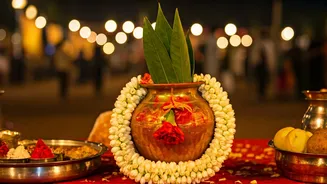
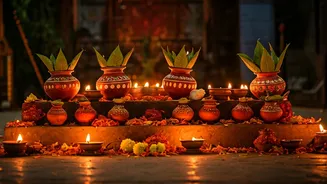
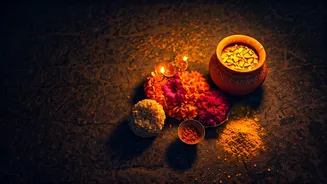
At its core, Hyderabad's main folk festival, Bonalu, is a profound act of thanksgiving to the Goddess Mahakali. The name itself, derived from 'Bonam' (meal), refers to the central offering of rice cooked with milk and jaggery. This tradition dates back
to the 19th century, when the city, ravaged by a plague, saw its people make a vow to honour the goddess if she spared them. When the plague subsided, the annual celebration was born. Today, it is a Telangana state festival, a vibrant assertion of cultural identity that unfolds over the Sundays of the Hindu month of Ashadha, typically in July and August. Understanding this history is the first step in a 'careful visit'—it transforms you from a mere spectator into an informed observer, appreciating that every ritual is steeped in a history of survival, faith, and gratitude.
Plan for People, Prayer, and Processions
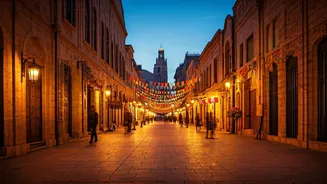
Bonalu is not a single-day event; it moves through the city like a wave. The festival typically kicks off at the Golconda Fort before moving to other major temples like the Ujjaini Mahakali Temple in Secunderabad and the Lal Darwaza temple in the Old City on subsequent Sundays. A careful visit requires planning. Check the schedule in advance, as each location offers a unique flavour of the festivities. Be prepared for immense crowds and congested roads. Using public transport or ride-sharing apps is advisable, but leave plenty of time. Arriving early, especially if you wish to take photographs, allows you to find a good vantage point before the main processions begin and the streets become a sea of people. The state government often arranges for special buses and facilities, so it is wise to look up official announcements.
The Art of Respectful Observation
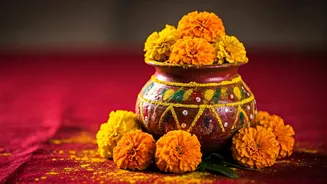
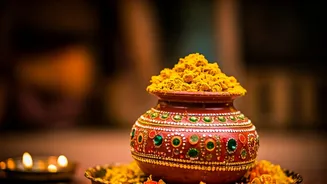
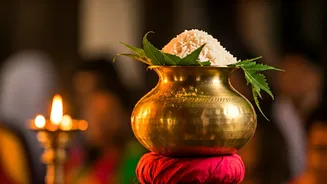
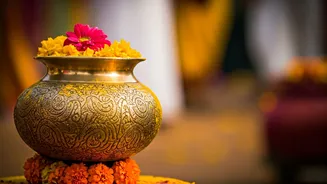
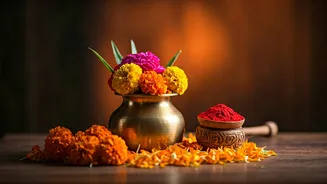
The festival is a feast for the senses, filled with key figures and rituals. You will see women in vibrant traditional sarees carrying the 'Bonam' pots on their heads, sometimes entering a trance-like state as they dance. Leading the processions is often the Pothuraju, the goddess's brother, a fierce and energetic figure who dances wildly to ward off evil spirits. Then there is the 'Ghatam', a decorated copper pot carried by a priest, which embodies the goddess herself. A 'careful' visitor knows to give these processions space. These are not performances for tourists but sacred acts. Photography should be handled with sensitivity; always avoid using a flash and be mindful not to intrude on a devotee's personal moment of worship. Ask for permission where possible, or simply put the camera down and absorb the powerful atmosphere.
What to Wear and How to Engage
Dressing appropriately is a simple yet powerful sign of respect. Modesty is key. For both men and women, this means wearing clothes that cover shoulders and knees. Comfortable footwear is essential, but remember to remove your shoes before entering any temple premises—look for the designated areas to leave them. Engaging with the festival goes beyond watching. You can respectfully partake by trying the 'prasadam' (blessed food offerings) or purchasing traditional items like bangles and flower garlands from local vendors who line the streets. This supports the local community and deepens your experience. However, when it comes to sacred rituals like the 'Rangam'—where an oracle makes prophecies for the year ahead—the best role for a visitor is that of a silent, respectful witness.