

The Art of Homemade Masala
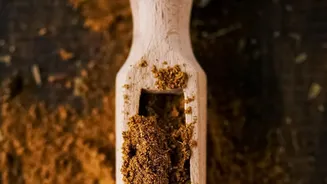
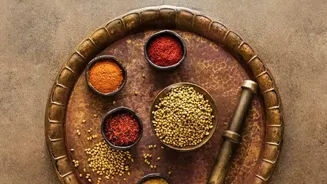
Before diving into specific blends, the foundational step to elevating your spice game is to toast whole spices. This simple act, done in a dry pan over low heat, awakens their essential oils, making them dramatically more fragrant and flavourful than
their pre-ground counterparts. You'll know they're ready when your kitchen fills with a warm, nutty aroma and the spices darken slightly. Once toasted, let them cool completely before grinding in a dedicated coffee or spice grinder. This prevents moisture from turning your powder into a paste and ensures a longer shelf life. The difference in taste is immense and is the first step toward creating truly memorable dishes.
1. Classic Garam Masala
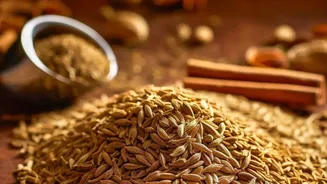
Garam Masala, which translates to 'hot spice mix', is arguably the most famous Indian blend. However, 'hot' refers to the warmth it brings to the body according to Ayurvedic principles, not fiery heat. It is a finishing spice, often added at the end of cooking to preserve its delicate aroma. A typical blend includes cinnamon, green and/or black cardamom, cloves, black peppercorns, and cumin seeds. Some variations also include nutmeg, star anise, or mace. To make a basic version, toast equal parts cumin and coriander seeds with half parts of peppercorns, cloves, and cardamom pods, along with a stick of cinnamon. Grind to a fine powder once cool. Use it in dals, curries, and vegetable stir-fries for a final flourish of flavour.
2. Aromatic Chai Masala
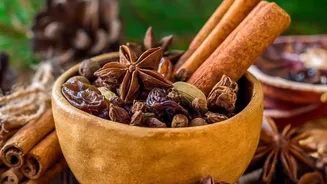
No Indian household is complete without a treasured recipe for Chai Masala. This blend is what gives spiced tea its signature comforting and invigorating character. The stars here are warming spices that complement the robustness of black tea and the creaminess of milk. The core ingredients are almost always green cardamom, cinnamon, cloves, black peppercorns, and dried ginger. Fennel seeds and star anise are also popular additions for extra sweetness and fragrance. To create your own, gently roast a cinnamon stick, a few green cardamom pods, cloves, and black peppercorns. Once cooled, grind them into a powder and mix with ground ginger. A small pinch is all you need per cup to brew a truly soulful masala chai.
3. The Sweet Cinnamon-Cardamom Mix
While most masalas are savoury, this simple two-ingredient blend is the secret to many Indian desserts. The pairing of warm, woody cinnamon and floral, fragrant cardamom is a classic combination that enhances sweetness without being overpowering. This mix is particularly versatile. It can be stirred into kheer (rice pudding), sprinkled over gajar ka halwa (carrot pudding), or mixed into the batter for cakes and cookies. To make it, simply grind a high-quality cinnamon stick with a handful of green cardamom pods (or just the seeds for a more intense flavour). You can also add a pinch of nutmeg or mace for extra complexity. It’s a wonderful, warming blend to have on hand, especially for festive cooking and baking.
4. Royal Biryani Masala
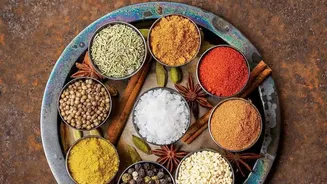
Biryani is a dish for celebrations, and its soul lies in a complex and layered spice blend. Biryani Masala is more intricate than garam masala, often featuring a wider array of spices to perfume the rice and meat. Key ingredients that set it apart often include star anise, mace (javitri), black cardamom, and shahi jeera (caraway seeds). To prepare a batch, you would typically dry roast coriander seeds, caraway seeds, black pepper, cloves, cinnamon, mace, star anise, and both green and black cardamom pods. Bay leaves are also a crucial aromatic. Grinding these together yields a potent, deeply fragrant powder that is essential for achieving an authentic biryani flavour at home.
5. Bengali Panch Phoron (Five-Spice Blend)
Moving to Eastern India, Panch Phoron is a unique blend where the spices are kept whole, not ground. It translates to 'five spices' and typically consists of an equal mix of cumin seeds, fennel seeds, mustard seeds, nigella seeds, and fenugreek seeds. Unlike other masalas, Panch Phoron is used at the beginning of the cooking process. The whole seeds are tempered in hot oil until they pop and crackle, releasing their distinct flavours into the oil. This infused oil then becomes the flavour base for vegetable dishes, lentils (dal), and fish curries. It offers a wonderful texture and a complex flavour profile that is nutty, slightly bitter, and sweet all at once.