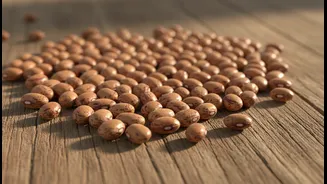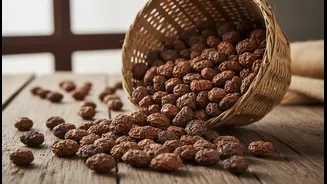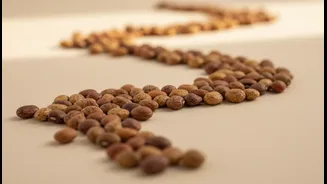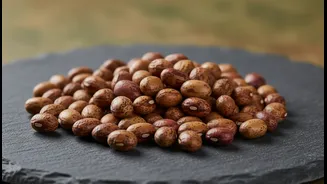




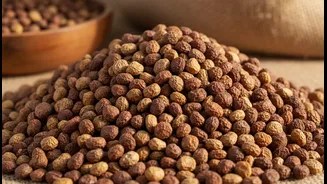
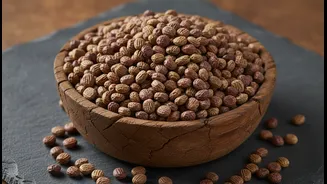
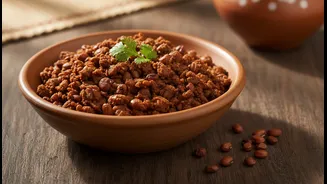


A Humble Lentil with a Big Reputation
Known as kulthi in Hindi, this hardy legume has been a staple in rural and agricultural communities for centuries, valued for its ability to thrive in poor soil and dry conditions. Packed with protein, fibre, calcium, and iron, it's often hailed as a superfood.
In traditional Ayurvedic practices, horse gram is recognised for its medicinal properties, often used to address issues like kidney stones, coughs, and colds. Its reputation as a fat-burner and energy-booster has brought it from traditional kitchens into the spotlight of modern wellness, but its power requires respect.
Why It's Praised: The Acclaimed Benefits
Much of horse gram's fame comes from its rich nutritional profile. It has one of the highest protein contents among lentils, making it a valuable resource for vegetarians. The combination of high fibre and protein is also linked to weight management, as it promotes a feeling of fullness. Traditional wisdom and some studies suggest it may help in managing kidney stones by preventing the formation of deposits. It's also considered beneficial for managing blood sugar levels due to its low glycemic index and for heart health by helping manage cholesterol. Ayurvedic texts also note its use for regulating menstrual cycles.
The Crucial Limits: Who Should Be Cautious?
This is where the headline's advice becomes critical. Horse gram is not a universally beneficial food. According to Ayurveda, it has a 'heating' (Ushna) potency, which means it can aggravate certain conditions. Individuals with high body heat, hyperacidity, or gastric ulcers are often advised to avoid it or consume it with extreme caution. People suffering from gout should also steer clear, as the compounds in legumes can contribute to higher uric acid levels. Similarly, due to its properties, it is traditionally avoided by pregnant women, or consumed only in strict moderation after consulting a doctor. Ayurvedic principles also suggest avoiding horse gram when taking certain preparations like Shilajit.
Potential Side Effects of Overconsumption
Even for those without specific contraindications, moderation is essential. Eating horse gram in large quantities can lead to digestive issues like gas and bloating. This is due to the presence of certain carbohydrates called oligosaccharides, which can be hard to digest. Its heating nature can also cause discomfort for some. Like other legumes, horse gram contains 'anti-nutrients' such as phytic acid, which can interfere with the absorption of minerals. Finally, though rare, allergic reactions can occur.
Smart Preparation for Safe Enjoyment
The good news is that proper preparation can mitigate many of the potential downsides. It is generally not recommended to eat horse gram raw. Soaking the lentils overnight, sprouting them, and cooking them thoroughly significantly reduces the levels of phytic acid, making the nutrients more available to your body. These steps also improve digestibility, lessening the chances of gas and bloating. To balance its heating properties, consider pairing horse gram with cooling ingredients like yogurt or preparing it as a thin soup or rasam rather than a thick, heavy dal. Listening to your body is paramount; start with small quantities to see how you feel.