





Beyond the Cola Monopoly
For decades, the Indian soft drink market has been a two-horse race, dominated by a pair of international cola giants. The choices were simple, predictable, and available everywhere. But a quiet revolution is bubbling up. Enter the world of Indian craft
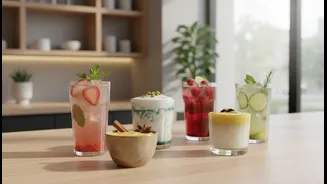
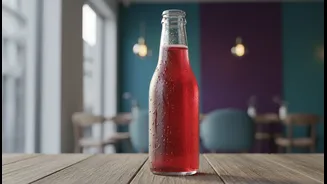
sodas, a burgeoning category driven by small-batch production, natural ingredients, and a rejection of the one-taste-fits-all model. These new-age brands are creating beverages that prioritise flavour complexity and authenticity over mass production. The Indian craft soda market, valued at over USD 36 million in 2025, is projected to grow steadily, signalling a clear shift in consumer tastes. This movement mirrors a broader cultural change, similar to the rise of craft beer, where consumers are seeking quality, character, and a story behind what they consume.
A Taste of Nostalgia, Bottled
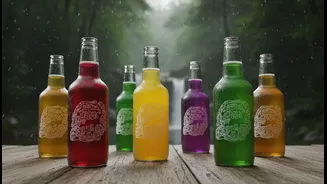
What makes these sodas distinctly Indian is their flavour profile. Instead of generic fruit flavours, these brands are diving deep into the nation's rich culinary heritage. They are reviving street-style classics and bottling them for a modern audience. Brands like 3Sisters and Bombay Banta are finding success with flavours like tangy Kala Khatta, spicy Jeera Masala, and zesty Imli Chaska. These are not just drinks; they are memories of childhood summers, railway station stops, and street-side vendors, refined with clean ingredients and sophisticated packaging. Paper Boat was a pioneer in this space, building its brand on nostalgia with traditional drinks like aam panna and jaljeera, proving the market's appetite for familiar tastes. Now, craft soda brands are taking it a step further, carbonating these beloved flavours to create a whole new experience.
The Health-Conscious Shift
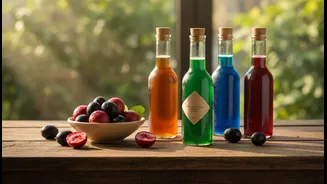
This beverage revolution is not just about taste; it's also about health. A growing number of Indian consumers are becoming more health-conscious, actively seeking out drinks with less sugar, natural ingredients, and no artificial additives. Reports show a significant increase in the consumption of non-alcoholic and 'better-for-you' beverages. Craft soda brands are perfectly positioned to meet this demand. Many, like Bubz, are sweetened naturally with monk fruit to avoid the chemical aftertaste of artificial sweeteners. Others, like Misfits and Atmosphere Studio, are infusing their sodas with prebiotics to support gut health, transforming a simple refreshment into a functional beverage. This alignment with the wellness trend is a key driver of their growing popularity among urban consumers.
From Scorching Summers to Moody Monsoons
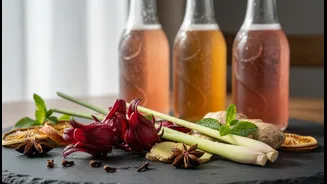
While cold drinks are a natural fit for India's scorching summers, these craft beverages are proving to have year-round appeal. The secret lies in their complex, often spice-infused flavours, which resonate deeply with the Indian palate. Traditional monsoon comforts often include spicy and tangy flavours, like those found in pakoras paired with tamarind chutney or a hot cup of masala chai. Craft sodas featuring notes of ginger, cumin, and black salt tap into this very same sensory landscape. A spicy ginger ale or a tangy jeera soda can be just as comforting on a rainy day as it is refreshing in the summer heat. This versatility allows these brands to move beyond seasonal sales, creating a beverage culture that adapts to the rhythm of the seasons rather than just the temperature.
The Entrepreneurs Behind the Fizz
Behind this trend are passionate local entrepreneurs who saw a gap in the market that large corporations were overlooking. Many of these brands started as direct-to-consumer (D2C) businesses, using social media and sharp branding to connect with a niche audience of early adopters in cities like Mumbai, Delhi, and Bengaluru. Brands such as Indian Craft Cola and Sepoy & Co. are positioning themselves as premium, sophisticated alternatives, with complex flavour notes akin to a fine cocktail and packaging designed to be admired. This new generation of beverage makers is not just selling a product; they are curating an experience, building a community, and proving that homegrown innovation can successfully challenge the global status quo.