


A Forecast for Caution
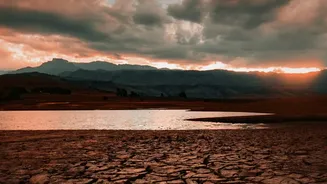
The India Meteorological Department (IMD) has sounded a note of caution for the second half of the Southwest Monsoon. The forecast for August and September 2026 points towards below-normal rainfall for the country as a whole, expected to be less than
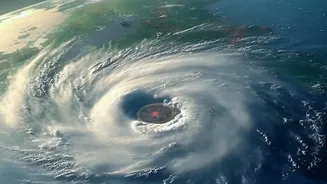
94% of the Long Period Average (LPA). This outlook is largely attributed to strengthening El Niño conditions in the Pacific Ocean, a phenomenon typically associated with weaker monsoon winds and reduced rainfall over the subcontinent. However, the national picture masks significant regional disparities. While many parts of the country face the prospect of a drier end to the monsoon, some areas in peninsular, central, and northeast India might experience normal to even above-normal rainfall, creating a complex and uneven weather map.
The State of Our Reservoirs
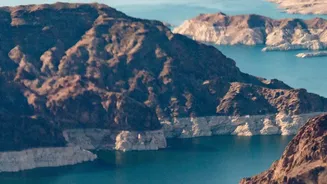
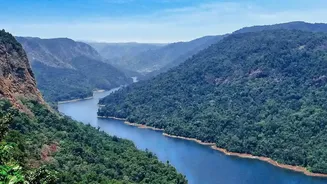
This rainfall forecast is particularly concerning when viewed against the backdrop of current water storage. According to the latest data from the Central Water Commission (CWC) in late July 2026, the live storage available in India's 166 major reservoirs is at 44.39% of total capacity. This is significantly lower than the same period last year, standing at only 65.37% of last year's levels. The deficit is not uniform. The southern region has seen a particularly sharp decline, with reservoirs at just 33.73% of their capacity compared to 75.36% last year. The Central region is also well below last year's storage. Even though July brought some recovery rains after a deficient June, it wasn't enough to bring storage levels to a comfortable position, especially in the south and east. This makes the remaining weeks of the monsoon a critical window for replenishment.
Why This Late Phase Is Crucial
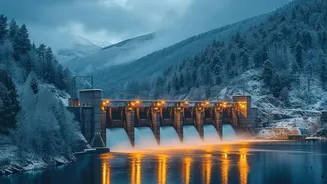
The August-September period is the last opportunity for nature to top up the country's primary water savings accounts—our dams and reservoirs. This stored water is the lifeblood for the post-monsoon months. It dictates the success of the Rabi crop season, which is sown in winter and relies heavily on stored soil moisture and irrigation. Beyond agriculture, these reservoirs are essential for providing drinking water to sprawling urban centres and for generating hydropower. A failure to capture sufficient water now means facing a long, dry season with dwindling supplies, putting pressure on everything from food prices to urban water rationing and electricity generation. The focus for state governments and city planners is therefore shifting from just hoping for rain to meticulously managing every drop that is currently available.
The Urban-Rural Planning Nexus
The IMD outlook forces difficult decisions for both urban and rural planners. For farmers, a weak end to the monsoon could mean insufficient moisture for sowing winter crops like wheat and mustard, potentially leading them to switch to less water-intensive options or rely more heavily on already stressed groundwater resources. For cities, many of which are already dependent on water transported from distant reservoirs, the situation is equally precarious. Lower reservoir levels could trigger water supply cuts and increased reliance on tankers, impacting millions of households and industries. This dynamic creates a direct competition for a scarce resource, where the water needed to grow food in rural areas is the same water needed to keep the taps flowing in cities. Planners must now balance the immediate needs of agriculture with the long-term water security of urban populations, a challenge amplified by a weak rainfall forecast.