


Why Water is the Enemy
Your first instinct upon finding a dirt-caked object is probably to clean it. When it comes to meteorites, this is the most destructive first step you can take. Most meteorites contain a high percentage of metallic iron. Exposing this iron to water and
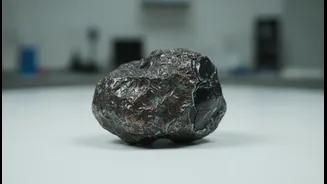
oxygen is the perfect recipe for rust. Terrestrial water, especially chlorinated tap water, rapidly accelerates this corrosion, causing the rock to degrade and even physically fall apart. What looks like a simple rinse can initiate a chemical reaction that permanently alters the specimen. The dark, glassy layer on the outside of many meteorites, known as a fusion crust, is a tell-tale sign of its fiery passage through our atmosphere. This delicate crust is often less than a millimeter thick and can be easily flaked away by water or scrubbing, destroying one of the most important diagnostic features.
The Invisible Data You'd Wash Away
A meteorite is more than just a rock; it's a time capsule from the early solar system. Its surface and interior hold clues about the formation of planets and the conditions in space billions of years ago. These clues are often microscopic and fragile. Washing a meteorite can dissolve and flush away water-soluble minerals and salts that provide scientists with information about the rock's history. More importantly, it introduces terrestrial contamination. Scientists are keen to study any organic molecules or microbes that may exist on these rocks, but contact with your hands or tap water immediately contaminates the sample with Earth-based life, making it nearly impossible to distinguish what might be extraterrestrial. Oils and microbes from your skin are enough to begin degrading the surface and compromising vital astrobiological data. The longer a meteorite is exposed to Earth's environment, the less scientifically valuable it becomes.
How to Handle Your Cosmic Find
So, what should you do if you believe you’ve found a meteorite? The key is preservation. Before you even touch it, document its discovery. Take photos of the rock where you found it, including an object like a coin or ruler for scale, and record the exact location using your phone’s GPS. This contextual information is invaluable to researchers. When you are ready to collect it, do not use your bare hands. The best practice is to use clean gloves, a set of tongs, or even to pick it up with a fresh piece of aluminum foil. You can then wrap the specimen completely in the foil. This keeps it both clean and dry. Once wrapped, place it inside a sealed plastic bag, like a zip-lock, to protect it from humidity. If you have a desiccant pack (like the silica gel packets found in new shoes), you can place one in the bag, but make sure it doesn't directly touch the meteorite.
Verifying Your Discovery
Once your potential meteorite is safely documented and stored, the next step is to have it identified. While it may be tempting to perform some home tests, it’s best to avoid them. For instance, many people use a magnet to check for iron, but a strong magnet can instantly wipe the meteorite’s natural magnetic field. This erases a priceless record of the magnetic fields it passed through in space. Instead of conducting your own tests, you should contact the experts. Reach out to the geology or planetary sciences department at a local university, a natural history museum, or your state’s geological survey. These institutions have the equipment and expertise to analyze the rock without damaging it. While NASA is a leader in meteorite science, it does not typically handle analysis for the public and directs finders to these very institutions. By following these steps, you transition from being just a finder to a crucial partner in scientific discovery.