




From Packets to Plates
The journey for beloved Indian snack brands is no longer ending on a retail shelf. In a major strategic shift, household names are expanding their international presence by opening full-service restaurants. Haldiram's, a brand synonymous with Indian sweets
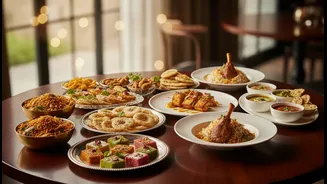
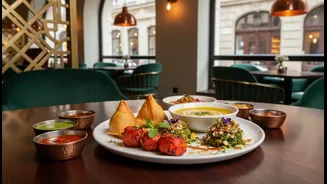
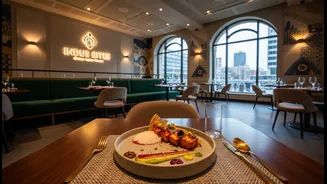
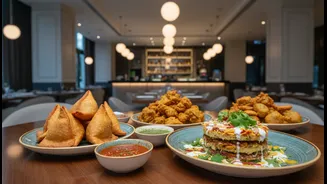
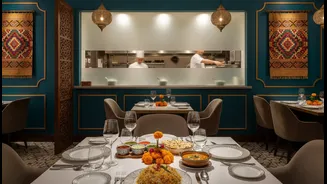
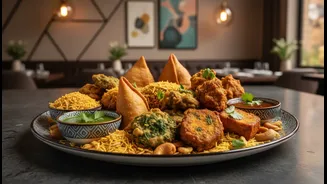
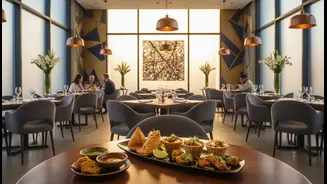
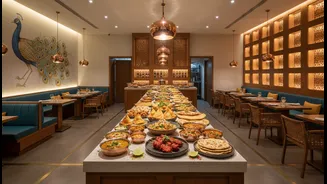
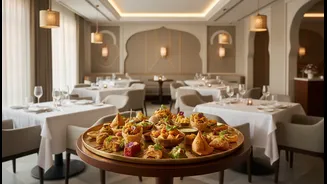
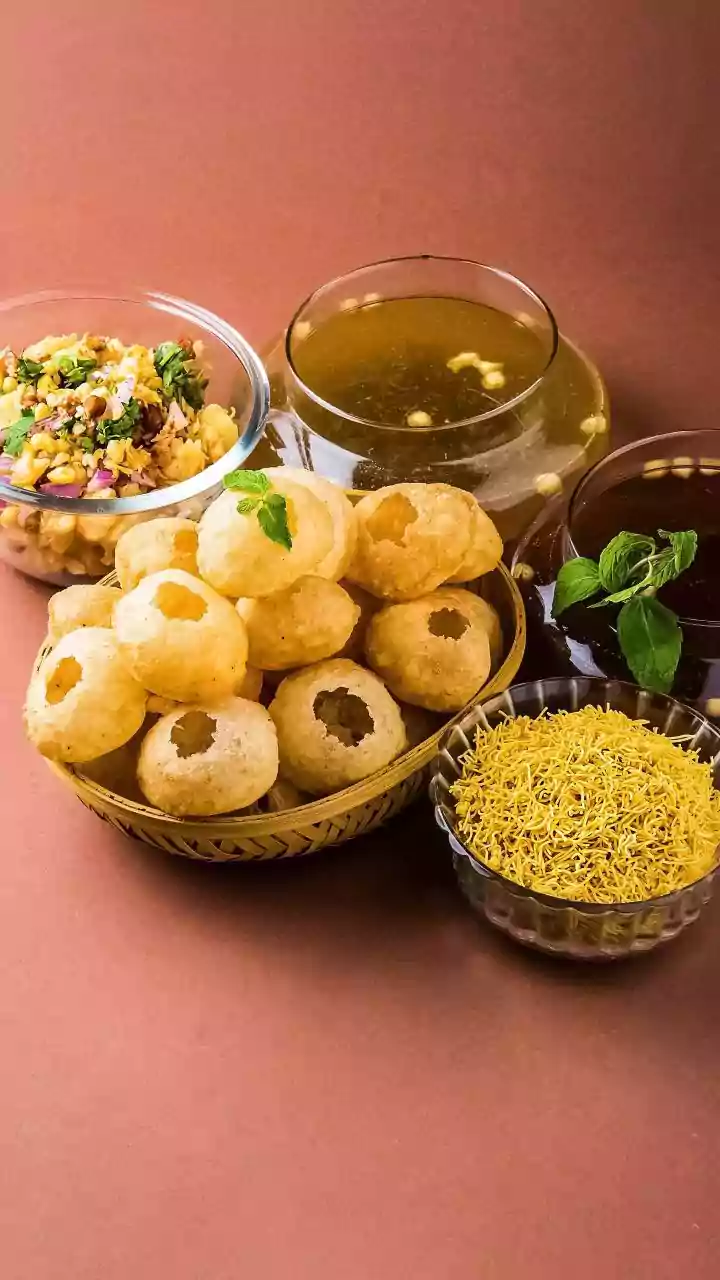
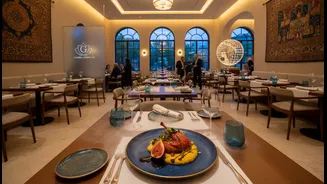
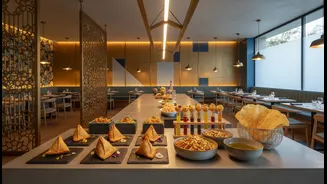
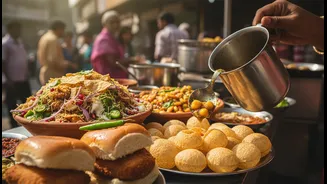
and namkeen since 1937, launched a 120-seat restaurant in London's Leicester Square in June 2026. This isn't just a simple café; it's a premium casual dining establishment serving classics like choley bhature and pao bhaji. Similarly, Bikanervala, another legacy brand with a global presence, opened an outlet in London in mid-2025 and has plans for expansion in Canada and the UAE. This evolution marks a transition from being product exporters to becoming global culinary ambassadors.
The Strategy Behind the Sizzle
Why would a successful packaged goods company venture into the high-cost, high-effort world of restaurants? The answer is about building a deeper brand experience. A full-service restaurant allows these companies to control the narrative, presenting their food in a high-quality, authentic environment that moves beyond the generic 'curry house' stereotype. Rhea Agarwal of Haldiram's noted that the goal is to sell an experience, not just food. This strategy creates an immersive brand world that can command higher profit margins than packaged goods and foster greater customer loyalty. The restaurant acts as a powerful flagship, creating a halo effect that boosts the profile and sales of their retail products, which are often sold in an accompanying retail section.
Serving Nostalgia and Attracting New Fans
The primary audience for these ventures is the growing and increasingly affluent Indian diaspora, who crave an authentic taste of home. These restaurants provide a nostalgic connection, offering the specific regional flavours they grew up with. However, the ambition extends beyond serving the diaspora. These brands aim to introduce a wider international audience to the true diversity of Indian cuisine, showcasing regional specialities that are often missing from standard Indian menus abroad. By establishing a presence in major global hubs like London and Dubai, they are placing authentic Indian food squarely in the mainstream, attracting curious tourists and local foodies alike.
Challenges on the Global Menu
This ambitious strategy is not without its hurdles. The restaurant business is notoriously complex, especially across international borders. Brands must navigate different food safety regulations, manage complex supply chains to source authentic ingredients, and adapt to local labour laws. The financial investment is significant, particularly for prime real estate in expensive cities. Furthermore, maintaining operational consistency—ensuring the choley bhature in London tastes exactly like it does in Delhi—is a major logistical challenge. There's also fierce competition, not just from established local eateries but from other Indian brands pursuing similar global ambitions.