





The High Cost of a Small Drip
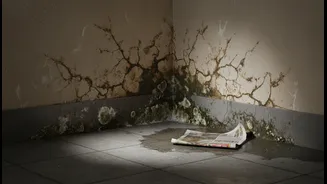
A minor leak might seem insignificant, but ignoring it is a recipe for disaster. Water is relentless; it can travel through concrete and along pipes, causing widespread damage far from the original source. What starts as a small damp patch on a ceiling
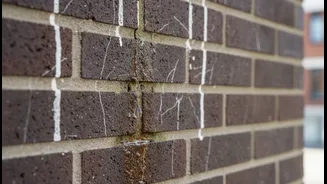
can quickly escalate into peeling paint, weakened plaster, and dangerous mould growth. This not only ruins any new paint job but can also lead to serious structural issues that are far more expensive to fix. Repairing water damage can range from a few thousand rupees for a small area to lakhs if the structure is compromised, making preventative checks essential. Painting over a damp wall without fixing the source is like putting a bandage on a wound that needs stitches—it hides the problem but doesn't solve it.
Your Pre-Maintenance Leak Hunt
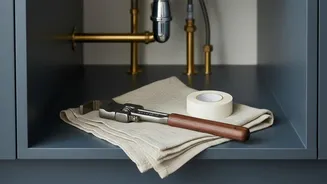
Before you schedule painters or plan any refurbishment, conduct a thorough inspection. This proactive step is a core part of any preventive maintenance plan. Your checklist should include a visual inspection of all potential trouble spots. Look for water stains, discolouration, or peeling paint on ceilings and walls, especially below bathrooms, kitchens, and terraces. Check under all sinks and around toilets for any signs of moisture or drips. Inspect the seals around windows and the gaps where AC units are installed, as these are common entry points for water during monsoons. Don't forget to check overhead and underground water tanks for any faults or overflow issues. A persistent musty odour is often a clear giveaway of a hidden leak.
Common Culprits in Indian Homes
In many Indian apartment buildings, leakage issues are frustratingly common. One of the most frequent causes is faulty or failed waterproofing in bathrooms of flats on upper floors, leading to seepage in the ceilings below. Poor quality plumbing materials, rushed construction, and cracked terrace slabs that allow rainwater to seep in are also major contributors. Under the Model Tenancy Act, 2021, landlords are generally responsible for major structural repairs, which includes fixing issues with plumbing systems and waterproofing to ensure the property is habitable. Tenants, in turn, are responsible for not negligently damaging the property and for promptly informing the landlord of any issues.
The Correct Order of Operations
Fixing leaks must always be the first step in your maintenance schedule. Once a leak is identified, the source needs to be repaired. This might involve fixing a plumbing joint, re-applying waterproofing treatment, or sealing cracks in the external walls. After the repair, the affected area must be allowed to dry completely. Painting over a still-damp surface will trap moisture, leading to the new paint bubbling, peeling, and failing within weeks. Only after you are certain the leak is fixed and the wall is dry should you proceed with scraping old paint, applying putty for a smooth surface, and finally, painting. This sequence ensures your investment in a fresh paint job will last, enhancing your property's value instead of becoming a recurring expense.
Work with Your Tenant
Your tenant is your first line of defence in spotting leaks early. Foster a good relationship and create a clear system for them to report maintenance issues promptly. Under the law, tenants are required to inform the landlord in writing about any damage. Encourage them to report even small signs of dampness or minor drips immediately. A quick response can prevent a small problem from turning into a major one. Regular, scheduled inspections—perhaps quarterly or biannually—also help in catching potential problems before they escalate. This collaborative approach not only protects your property but also shows the tenant you are a responsible landlord, leading to a smoother tenancy for both parties.