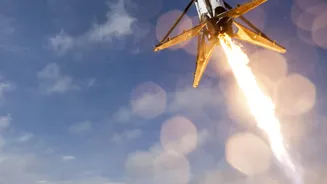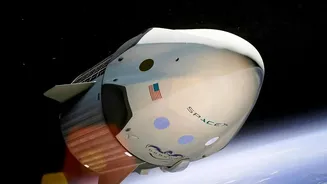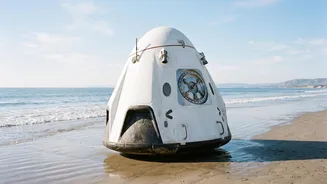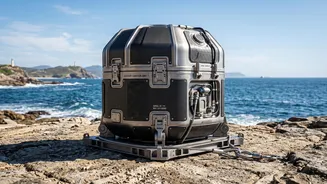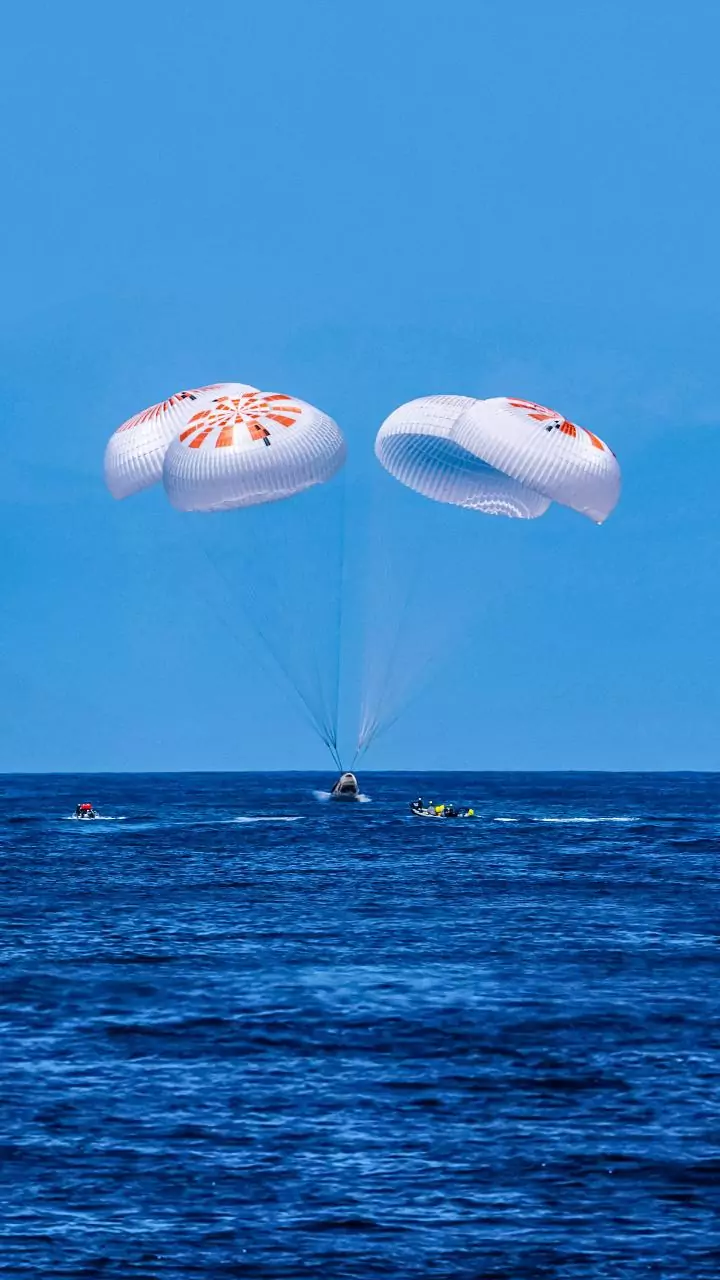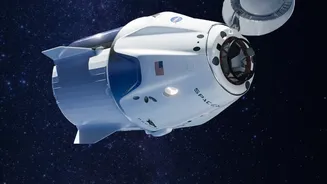

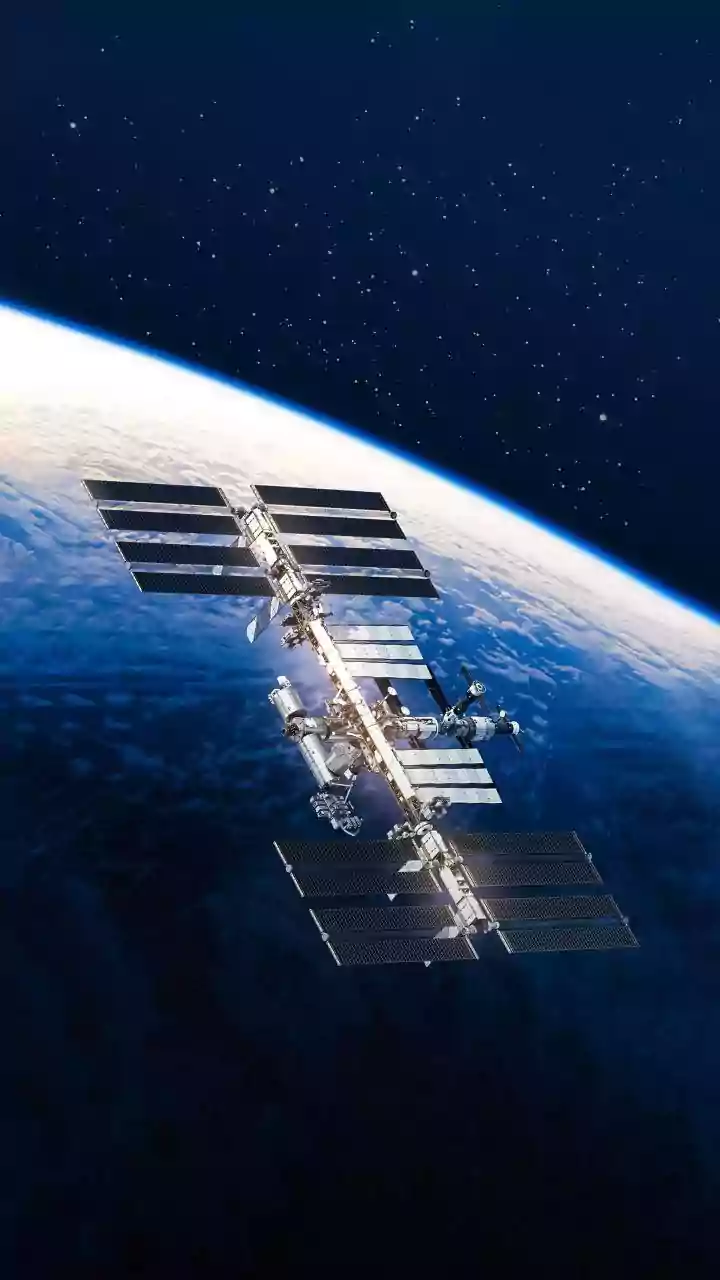



A SpaceX Dragon capsule successfully returned to Earth on November 21, splashing down in the Pacific Ocean to conclude a critical resupply mission. The uncrewed freighter brought back thousands of pounds of valuable scientific cargo from the ISS.
Mission Accomplished
SpaceX
has successfully completed its 35th Commercial Resupply Services (CRS) mission for NASA, with its Dragon spacecraft splashing down off the coast of California on Saturday, November 21. The capsule landed in the Pacific Ocean at approximately 2:03 p.m. PST, about 29 hours after undocking from the International Space Station (ISS) on November 20. This successful return marks the end of a 39-day mission for this particular Dragon, which is a veteran of spaceflight, having now completed four separate missions to the orbiting laboratory. Recovery ships were on-site to retrieve the capsule, ensuring the time-sensitive scientific materials inside could be delivered to researchers as quickly as possible.
A Crucial Supply Run to the Space Station
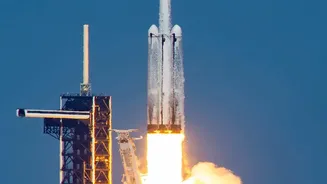
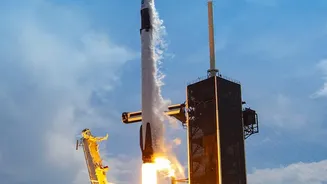
The CRS-35 mission began on October 13, when a Falcon 9 rocket lifted off from Cape Canaveral Space Force Station in Florida. The Dragon capsule carried more than 6,300 pounds of supplies, hardware, and scientific experiments to the astronauts living and working on the ISS. After arriving on October 15, the spacecraft spent over a month docked to the station, during which its cargo was unloaded. These routine supply runs are the lifeblood of the space station, enabling long-duration human presence and continuous scientific research in the unique microgravity environment.
Precious Cargo: Science Returns to Earth
While sending supplies up is vital, the Dragon's ability to return cargo to Earth is what makes it unique among today's uncrewed resupply vehicles. This mission brought back thousands of pounds of research, including a number of key experiments. Among the returned items were 3D-bioprinted blood vessel constructs, which will help scientists study cardiovascular disease and the aging process. Also on board were frozen tumor organoids that had undergone experimental treatments in space, research that could help improve cancer therapies on Earth. Additionally, samples of antibiotic-resistant bacteria were returned for analysis to understand how they adapt and evolve in space, which is crucial for protecting astronaut health on future long-duration missions.
The Journey Home
The return trip is a carefully orchestrated sequence of events. After ground controllers at SpaceX's facility in California commanded the Dragon to undock, the spacecraft performed a series of engine burns to move away from the ISS. It then began its 29-hour journey home, culminating in a deorbit burn to begin its descent through Earth's atmosphere. Protected by its heat shield, the capsule slowed from orbital velocity before deploying its parachutes for a gentle splashdown in the ocean. Unlike other cargo vehicles like Northrop Grumman's Cygnus or Russia's Progress, which burn up on reentry, the Dragon is designed for this return journey, making it an invaluable tool for science.
The Enduring NASA-SpaceX Partnership
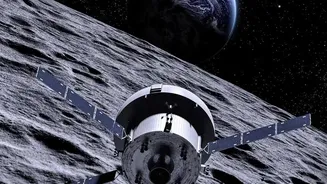
The CRS-35 mission is another successful chapter in the long-standing partnership between NASA and SpaceX. Under the Commercial Resupply Services program, SpaceX has become a reliable provider of logistics for the ISS, ferrying both cargo and, with its Crew Dragon variant, astronauts. This model has allowed NASA to focus on deep-space exploration goals, like the Artemis program to return humans to the Moon, while fostering a robust commercial space economy. The success of missions like CRS-35 demonstrates the maturity of this public-private partnership and its central role in the future of space exploration.