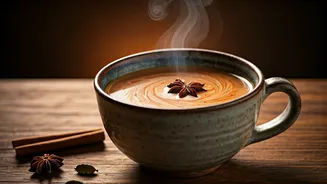







Not Just a Drink, An Emotion
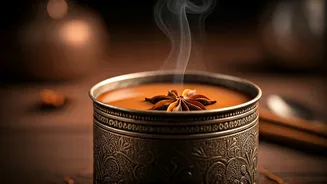
The clinking of the steel pot, the fragrant steam, the first sip that cuts through the morning fog—this is a uniquely Indian experience. To call masala chai just ‘tea’ is to miss the point entirely. While its base is black tea leaves, it’s the chorus
of spices, the richness of the milk, and the sweetness of the sugar that elevate it into something far more profound. It is a mood-setter, a conversation-starter, and a comforting companion. In a country of immense diversity, the love for a hot, steaming cup of masala chai is a powerful, unifying thread. It’s the humble drink of the roadside stall and the welcome beverage in a corporate boardroom, a democratic luxury available to all.
A Symphony of Spices
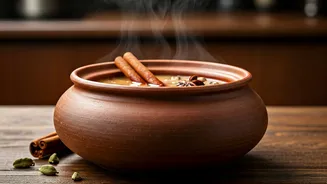
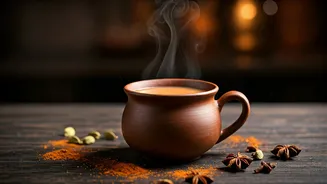
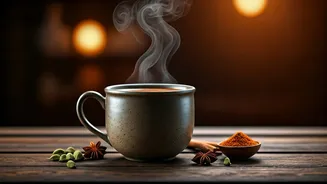
The magic lies in the masala—the specific blend of spices that each family, each chaiwallah, guards as their own signature. The sharp, zesty kick of freshly grated ginger (adrak) awakens the senses. The sweet, floral notes of green cardamom (elaichi) lend an aromatic elegance. A few cloves (laung) add a warm, pungent depth, while a small piece of cinnamon (dalchini) contributes a woody sweetness. Often, a sprinkle of black peppercorns (kali mirch) is added for a final, surprising bit of heat. These spices are not just for flavour; they create a complex sensory experience. The blend is a carefully balanced orchestra where each instrument plays its part, resulting in a brew that is simultaneously stimulating and soothing.
The Ritual of Preparation
Unlike the instant gratification of a teabag dunked in hot water, making proper masala chai is a process, a ritual that demands patience and attention. It begins with water, ginger, and spices brought to a rolling boil, allowing their essential oils and flavours to infuse the liquid completely. Then comes the tea, stirred in to release its robust character. Finally, milk is added and the mixture is simmered slowly—a process called ‘kadhna’—until it reaches the perfect creamy consistency and rich, caramel colour. This act of creation, of watching the ingredients merge and transform, is an integral part of the experience. It’s a moment of mindfulness in a busy day, a small act of self-care that makes the final cup taste all the more rewarding.
The Great Social Lubricant
Masala chai is rarely a solitary affair. It is the fuel for endless discussions, the cornerstone of friendships, and the unspoken language of hospitality. The phrase “Chalo, chai peete hain” (“Come on, let’s have tea”) is an invitation not just for a drink, but for connection. It’s the pause in the workday that resets the mind. It’s the brew shared with colleagues over office gossip, the companion to a cigarette break with friends, and the first thing offered to any guest who walks through the door, a gesture of warmth and welcome. From bustling roadside dhabas where strangers share stories over a cutting chai to quiet homes where family secrets are spilled, chai is the social glue that binds people together.
A Cup of Comfort and Memory
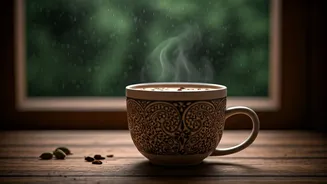
More than anything, masala chai is a vessel for memory. For many, the aroma is inextricably linked to home, to the sound of their mother or grandmother working in the kitchen on a lazy Sunday. It tastes like monsoon afternoons spent watching the rain from a window, accompanied by a plate of hot pakoras. It feels like the warmth spreading through your chest on a chilly winter evening. Each sip can transport you back to a specific time, a cherished place, or a beloved person. This deep-seated nostalgia is perhaps the most potent ingredient of all. It’s what transforms a simple cup of tea into a potent elixir of comfort, a liquid reminder that even in the most chaotic of times, there is always a moment of peace to be found.