

Why Monsoon Is Risky for Paws
The combination of high humidity, wet streets, and exposure to dirty rainwater makes the monsoon a challenging season for canine paw health. Fungi and bacteria thrive in warm, damp, and dark environments—like the spaces between your dog’s toes after a walk.
When paws don't dry completely, this trapped moisture can lead to painful fungal infections, most commonly yeast dermatitis. The skin becomes irritated, itchy, and inflamed, causing your dog to lick and chew excessively, which often makes the problem worse.
The Essential Post-Walk Paw Care Routine
A consistent five-minute routine after every single walk is the most effective way to prevent infections. First, rinse your dog's paws with lukewarm water to dislodge mud and grime; cold water is often less effective. Using a gentle, pet-safe antiseptic solution mixed with the water can provide extra protection. Next, and most critically, dry the paws completely. Use a highly absorbent microfibre towel and make sure to dry thoroughly between each toe and pad, as this is where moisture loves to hide. Never let paws air-dry during the monsoon.
Grooming Tweaks for Better Prevention
Simple grooming adjustments can make a significant difference. Keep the fur between your dog's paw pads trimmed short. Long hair acts like a sponge, trapping water, mud, and debris, which makes drying difficult and increases the risk of infection. Regular trimming improves air circulation around the pads. Additionally, keeping your dog's nails trimmed helps prevent the buildup of dirt and bacteria underneath them.
Spotting the Early Warning Signs
Vigilance is key to catching a fungal infection before it becomes severe. The most common early sign is persistent licking or chewing of the paws. Inspect their paws daily for other symptoms, including redness, inflammation, or swelling, especially between the toes. You might also notice a musty or yeasty odour, which is a tell-tale sign of a fungal overgrowth. Some dogs develop reddish-brown staining on the fur around their paws from their saliva, or you might see a brownish discharge near the nail beds. In some cases, the skin may become flaky, crusty, or develop sores.
Creating a Safe Home Environment
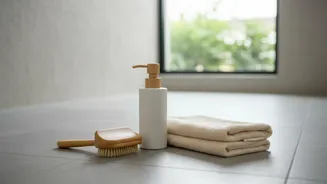
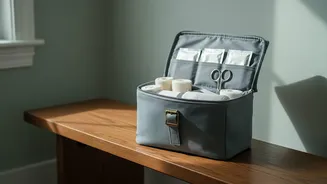
Your prevention strategy should extend indoors. Designate a spot near the entrance as a paw-cleaning station with a towel and cleaning supplies ready to go. An absorbent doormat can help catch the initial sludge. It is also important to keep your dog's bedding clean and dry, as damp blankets are another breeding ground for fungi. Wash their bedding at least twice a week during the monsoon and ensure your home is well-ventilated to reduce overall humidity.
When to See the Veterinarian
While preventative home care is effective, some situations require professional medical attention. If you notice the symptoms are not improving after a couple of days, or if they are getting worse, it's time to call the vet. Other red flags include limping, reluctance to walk, visible pus, a foul odour, or if your dog seems to be in significant pain. Do not use human antifungal creams, as they can be toxic if ingested. A veterinarian can accurately diagnose the issue, which could be bacterial, fungal, or allergy-related, and prescribe the correct medicated shampoos, wipes, or oral medications for safe and effective treatment.