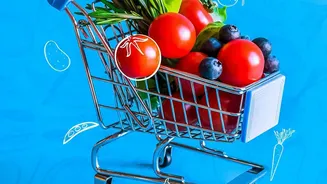






Feeling the pinch at the checkout counter? With food prices constantly shifting, sticking to a budget can feel impossible. But a smart grocery list is your best tool for taking back control, reducing stress, and eating well without overspending.
Start Before You Shop: The Kitchen Audit
The most
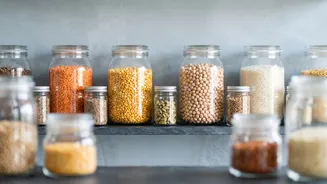
practical grocery list begins at home, not at the store. Before you even think about what to buy, take a quick inventory of your pantry, fridge, and freezer. Forgotten dals, half-used jars of paste, and vegetables hiding in the crisper are your first line of defence against overspending. This simple step prevents you from buying duplicates and forces you to use what you already have, instantly cutting down on waste and cost. Make a note of staples that are running low and ingredients that need to be used up soon. This audit forms the foundation of your shopping plan.
Plan Meals, Not Just a List of Items
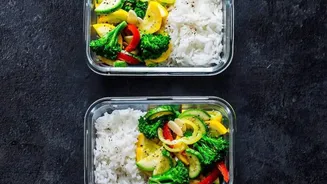
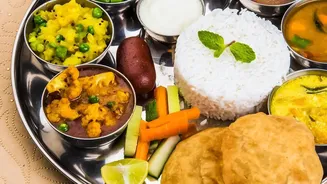
Walking into a store with a list that just says 'vegetables, chicken, rice' is a recipe for impulse buys. Instead, plan a rough outline of your meals for the week. You don't need a rigid, hour-by-hour schedule. Just having a few dinner ideas in mind—like 'dal makhani night,' 'chicken stir-fry,' and 'egg curry'—helps you build a targeted list. This approach ensures every item you buy has a purpose. Plan to cook a little extra for leftovers, which can serve as lunch the next day, saving you even more money and time. And be realistic; if you know one night will be busy, plan for a quick 15-minute meal instead of an ambitious one.
Embrace Flexibility with an 'Either/Or' Strategy
When prices are unpredictable, rigidity is expensive. This is where a flexible list truly shines. Instead of writing 'broccoli,' write 'broccoli or green beans.' Instead of 'paneer,' consider 'paneer or tofu.' This gives you the power to adapt at the store. You can choose whichever option is on sale, fresher, or simply cheaper that day. Focusing on categories rather than specific items—like 'one green vegetable,' 'a protein source,' 'seasonal fruit'—allows you to take advantage of the best value available without derailing your meal plans. This is especially effective at local mandis, where seasonal produce is always the freshest and most affordable option.
Know Your Prices to Spot a Real Deal
It’s hard to know if you’re saving money if you don’t know the typical cost of your staple items. Start a mental (or physical) 'price book'. After a few shopping trips, you'll start to remember that your preferred brand of atta is usually around a certain price, or how much you typically pay per kilo for onions. This 'price memory' is a powerful tool. It allows you to immediately recognize when a price has spiked or when a 'sale' is genuinely a good deal. When you see a non-perishable staple you regularly use, like rice or lentils, at a price you know is low, it’s a good time to stock up.
Categorize Your List for Efficiency
Organize your written or digital list by store section: produce, dairy, grains/pulses, frozen foods, and household items. This might seem like a small tweak, but it has two major benefits. First, it makes your shopping trip faster and more efficient, preventing you from backtracking through aisles. Second, and more importantly, it helps you stick to your plan. When you are methodically moving from one section to the next, you are less likely to be tempted by end-cap displays of expensive snacks or items placed strategically at eye-level to encourage impulse buys.
Buy Local and Seasonal
Supermarkets are convenient, but local vegetable markets (sabzi mandis) are often where you'll find the best prices for produce. The items available are inherently seasonal, which means they are fresher, more abundant, and haven't travelled far—all factors that bring the cost down. Rather than paying a premium for pre-cut or packaged vegetables, buy them whole and loose. This not only saves money but also gives you more control over quality and quantity. Building a habit of buying seasonal produce ensures your meals are not only cheaper but also more flavourful and nutritious.