




In the pursuit of a flawless hairstyle, the smallest details often make the biggest impact. While we focus on sprays and serums, the humble hair tie can be the weak link. Enter the clear mini elastic: a tiny tool with a major payoff.
The Definition of a 'Clean' Hairstyle
When hairstylists
talk about a 'clean' look, they’re referring to a style that is seamless and polished, where the focus is entirely on the hair itself. This means no distracting bumps, stray flyaways, or, most importantly, visible accessories that break the illusion. A bulky fabric hair tie, especially one in a contrasting colour, immediately draws the eye and can disrupt the silhouette of a sleek ponytail or intricate updo. Clear mini elastics, by design, are meant to be invisible. They blend into the hair, allowing the artistry of the style—whether it's a bubble braid, a sectioned ponytail, or a complex bun—to take centre stage. Their purpose isn't just to hold hair, but to do so discreetly, creating a finish that looks effortless and refined.
The Unmatched Precision of Mini Elastics
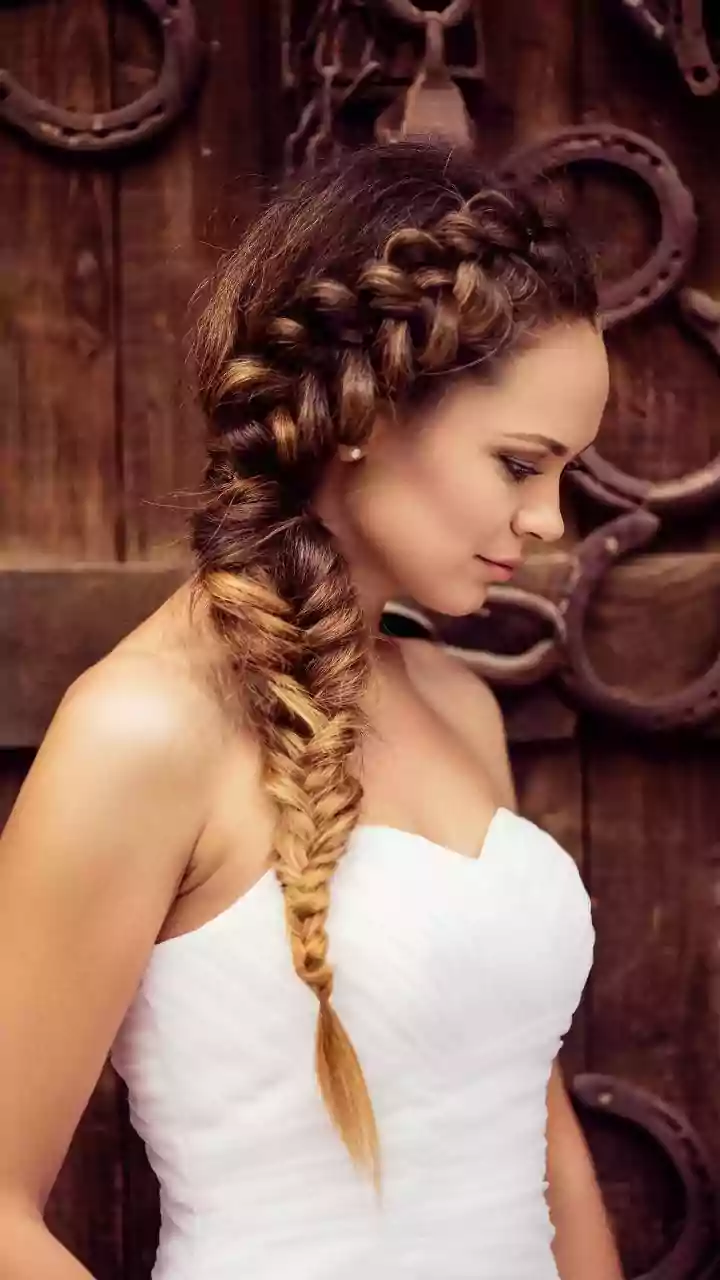
The true power of mini elastics lies in their size and strength. They are perfect for securing small, specific sections of hair with a firmness that larger ties can't achieve. Think of finishing the end of a fishtail braid, creating a 'topsy tail' flip, or building the foundation for a complex updo. Professional stylists often rely on these tiny bands, sometimes called polybands, because they provide a strong, non-slip grip that is essential for detailed work. While a standard fabric tie is great for gathering a large amount of hair at once, it lacks the precision needed for more delicate styles. The mini elastic allows for unparalleled control, ensuring every section is held exactly where you want it without adding bulk.
The Problem with Bulky Fabric Ties
Fabric hair ties, especially thick scrunchies or standard elastics, have their place in casual styling. However, for a polished look, they often fall short. Their bulk can create a noticeable bump at the base of a ponytail, preventing it from lying flat and looking sleek. Furthermore, they often require multiple wraps, which adds to their size and can create uneven tension. Over time, this constant pressure can lead to the dreaded ponytail crease, a visible dent in the hair that ruins a style once it's taken down. While silk and satin scrunchies are gentler on the hair shaft, they still add visual weight and are better suited for loose, protective styles rather than sharp, clean ones.
How to Use Them Without Causing Damage
A common concern with clear elastics is the potential for hair damage. Their tight grip can lead to snagging and breakage if not used and removed correctly. The key is to be gentle. Before use, especially on dry or fine hair, it helps to apply a small amount of hair oil or serum to the section you're tying up. This helps the elastic glide on without friction. When it comes to removal, never pull or yank the elastic out. This is the single biggest cause of breakage. Instead, use a pair of small scissors or a dedicated elastic-cutting tool to carefully snip it off. Another popular method is to apply a drop of oil directly onto the band; this can help the elastic break down and snap on its own or slide out more easily.
When Fabric Ties Are Still the Better Choice
Despite the clear advantages of mini elastics for clean styling, fabric ties are not obsolete. For those with very thick or curly hair, a larger, more substantial elastic might be necessary to hold the weight of the hair securely in a simple ponytail or bun. Fabric-covered ties, particularly seamless ones or scrunchies made of silk or satin, are also the superior choice for protecting hair during sleep or at the gym. Their softer material creates less friction and tension, reducing the risk of breakage from prolonged wear or movement. The choice ultimately depends on the desired outcome: for a seamless, intricate, and polished look, the mini elastic is unmatched, but for casual hold and hair protection, the classic fabric tie still reigns supreme.