

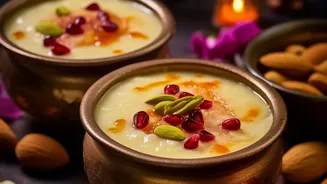
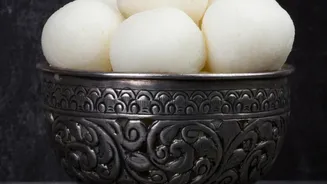
The Enduring Soul of Indian Sweets
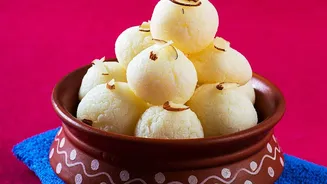
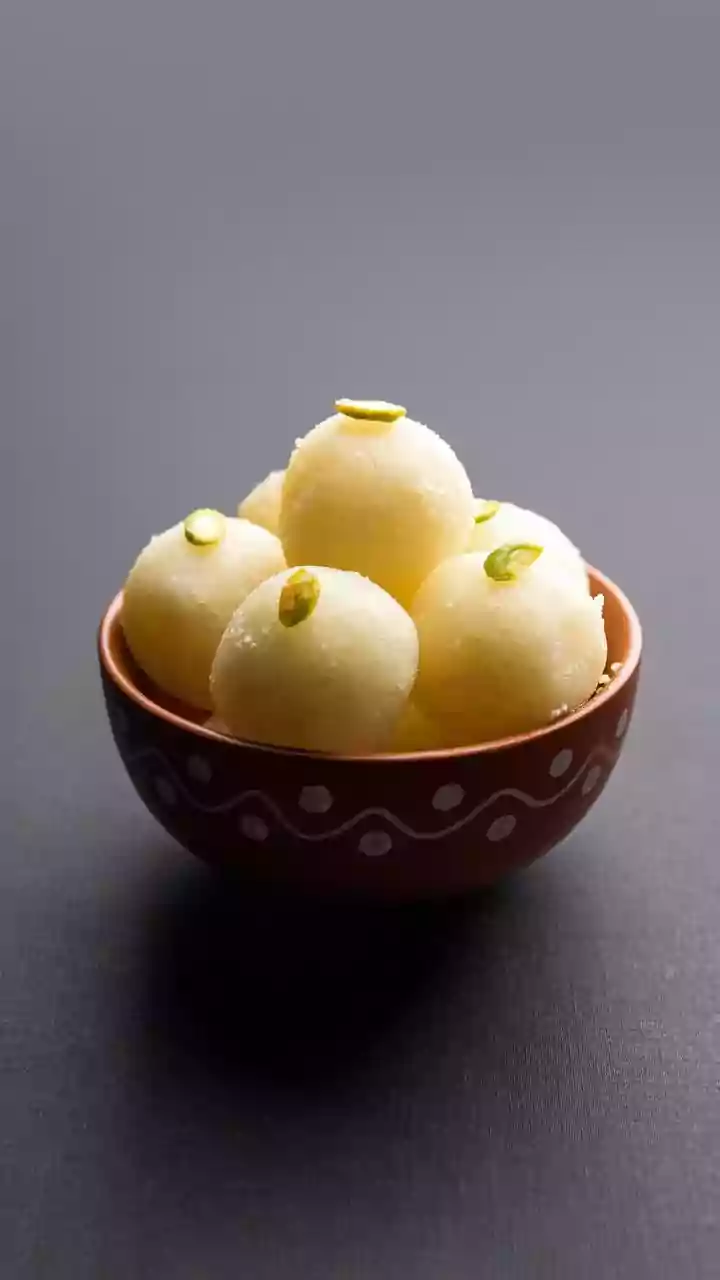
For generations, mithai has been more than just dessert; it is an emotion. The act of sharing something sweet—'muh meetha karo'—is woven into the fabric of every celebration, from exam results to weddings and festivals. These edible heirlooms, from Bengal's
delicate Sandesh to Rajasthan's intricate Ghevar, are steeped in history, evolving from ancient Ayurvedic preparations to the rich, nut-laden creations influenced by Mughal royal kitchens. Every laddoo, barfi, and peda carries with it a sense of nostalgia, a taste of home that has been passed down through generations, making it an indispensable part of India's cultural identity.
A New Wave of Sweet Innovation
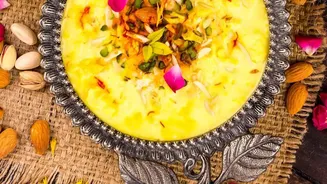
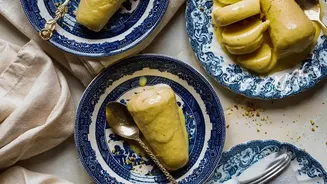
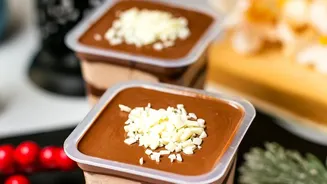
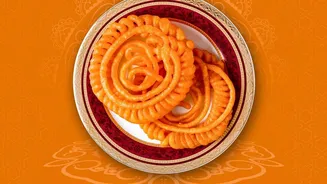
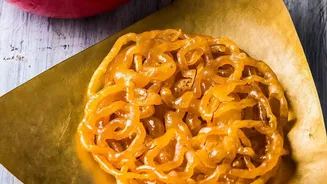
Today, that familiar landscape is blossoming with creativity. A new generation of chefs and sweet-makers are reimagining what Indian desserts can be, blending traditional flavours with global techniques and ingredients. Imagine a Gulab Jamun Cheesecake, where the beloved syrupy dumpling meets the creamy texture of a Western classic. Or consider a Rasmalai Tres Leches cake, a delicate sponge soaked in saffron-infused milk. This fusion trend has given rise to a stunning array of new classics: motichoor laddoos layered into cheesecakes, jalebis reimagined as tiramisu, and even French choux pastries filled with paan-flavoured cream. These creations offer the comfort of nostalgia with a surprising, modern twist.
What’s Driving the Sweet Revolution?
This dessert renaissance is driven by a confluence of cultural shifts. Firstly, the Indian palate is becoming more global and experimental. Exposure to international travel and food trends has created an appetite for novel flavours like yuzu, matcha, and dark chocolate, which are now being infused into traditional mithai. Secondly, there is a growing demand for health-conscious options. Artisanal brands are innovating with sugar-free sweets, using natural sweeteners like jaggery and dates, and creating vegan and gluten-free versions of classic recipes. Finally, in the age of social media, aesthetics are paramount. Mithai is being treated like fine chocolate, with an emphasis on premium, visually stunning presentation that is 'Instagram-worthy'. The gifting culture, especially during festivals, has shifted towards these modern, beautifully packaged creations that offer a complete sensory experience.
The Rise of the Mithai Artisan
At the heart of this movement are pioneering chefs and boutique brands like Bombay Sweet Shop, Kshir & Canelé, and Genda Phool, who are approaching mithai with the precision of a French patissier. They deconstruct classic sweets to their core components—milk solids, ghee, nuts—and rebuild them using modern techniques. The goal isn't to distort the original but to elevate it, balancing sweetness, layering textures, and presenting it with a finesse that allows it to stand confidently alongside global desserts. This has given birth to an artisanal industry where mithai is not just a sweet, but a craft.
An Expansion, Not a Replacement
This evolution does not signal the end of traditional mithai. The classic motichoor laddoo and kaju katli remain timeless symbols of celebration. Instead, this trend represents a beautiful expansion of India's dessert culture. It reflects a modern India that is deeply proud of its heritage yet open to global influences. Chefs and creators are consciously building a bridge between the halwai's counter and the fine-dining plate, ensuring the soul of Indian sweets remains intact even as its form changes. The result is a richer, more diverse sweetscape where a lavender barfi can coexist with a traditional peda, offering something for every palate.