




Why the Old Rules No Longer Apply
For generations, stocking the pantry was a sign of a well-managed home. Buying in bulk felt efficient and economical. But the monsoon, with its trifecta of heat, moisture, and humidity, creates the perfect breeding ground for bacteria, mould, and fungi.
Food that would last a week in dry weather can now spoil in a matter of days. Experts now advise a significant shift in strategy: for certain items, buying less, more frequently, is the key to reducing waste and avoiding foodborne illnesses. This is especially true as heavy rains can disrupt supply chains, making the freshness of produce harder to guarantee.
The Humidity Havoc
The primary enemy during the rainy season is the high moisture content in the air. This dampness accelerates the decomposition of a wide range of foods. Bacteria like E. coli and Salmonella, along with various moulds, multiply rapidly in these conditions. This makes everything from fresh produce to cooked leftovers more susceptible to spoilage. Even seemingly stable pantry items are at risk. Spices can lose their potency and clump together, flours can become a breeding ground for pests, and biscuits can lose their crispness. The advice to keep raw and cooked foods separate becomes even more critical to prevent cross-contamination.
The Delicate List: Buy These in Small Batches
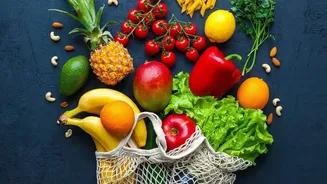
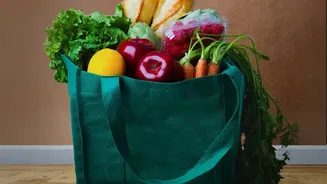
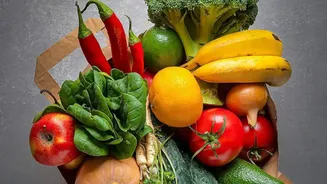
Not all groceries are equally vulnerable. Nutritionists and food safety experts have identified a list of 'delicate' foods that should only be purchased in quantities you can consume within a day or two. Leafy green vegetables top this list, as they wilt and rot quickly due to excess moisture and can harbor microbes from contaminated rainwater. Bread and other baked goods are also highly susceptible to mould in humid weather. Dairy products like milk, paneer, and curd spoil much faster and should be bought in smaller packs. Fish and seafood, already highly perishable, require extra caution as the monsoon is a breeding season for many varieties, making quality harder to verify. Pre-cut fruits and salads are also best avoided in favor of buying whole produce and preparing it fresh at home.
Smart Storage Is Still Essential
Buying smaller quantities doesn't eliminate the need for proper storage; it just makes it more manageable. Vegetables should be thoroughly washed and, crucially, dried completely before being stored. Wrapping them in paper or keeping them in perforated bags in the refrigerator can extend their life. Airtight containers are your best friend for everything from spices and flours to biscuits and lentils, protecting them from moisture and pests. It is also wise to clean your refrigerator regularly and ensure it is not overstuffed, as proper air circulation is vital for keeping food cool and fresh. For items like atta (flour), some experts even suggest buying freshly milled batches in smaller quantities to ensure freshness.
A Mindful Approach to Monsoon Cooking
Adopting the 'buy small' philosophy encourages a more mindful approach to cooking and eating. It means planning meals for a day or two in advance rather than a full week. It also pushes for consuming freshly cooked food, which is always the safest option, especially during the monsoon. While it might mean more frequent trips to the local market, the benefits are clear: less food waste, lower risk of stomach infections, and the pleasure of eating fresher ingredients. By being strategic about what you buy and how much, you can enjoy the culinary delights of the season without the associated risks.