

A Glimmering Desert Tradition
Lippan Kam, also known as mud-and-mirror work, is a traditional mural art form from the Kutch region of Gujarat. Its name comes from the local Gujarati word 'Lippan', which means 'to apply' or plaster. Historically practiced by women from communities
like the Rabari, Mutwa, and Kumbhar, this art was used to decorate the inner and outer walls of their circular mud huts, called 'bhungas'. The craft was both beautiful and functional. Traditionally, the artisans used a mixture of clay and camel or wild ass dung as a binder. This paste was applied to the walls to create intricate, low-relief patterns. Small, hand-cut mirrors, or 'aabhla', were then pressed into the wet clay, creating designs that would glitter in the dim light. The thick mud application also provided excellent insulation, keeping homes cool in the scorching desert summer and warm during winter nights.
The Modern-Day Renaissance
Once confined to the villages of Kutch, Lippan Kam was a fading tradition. However, a revival movement has brought this stunning craft into the national spotlight. Events like the Rann Utsav, which began in 2005, provided a significant platform for artisans to showcase their work to a wider audience, gaining much-deserved recognition. In the wake of the 2001 Gujarat earthquake, there was also a renewed focus on preserving the region's cultural heritage during rebuilding efforts, which helped increase demand for traditional crafts. Today, social media and online workshops have played a crucial role in its popularisation, allowing people from all over the country to learn about and even try their hand at this intricate art form. This resurgence is not just about preserving an art form; it’s about providing sustainable livelihoods for artisan communities and connecting a new generation with their cultural roots.
Adapting for the Urban Canvas
For Lippan art to find a place in a modern city apartment, it had to evolve. The most significant change was the shift from decorating immovable walls to creating portable art pieces. Artisans now commonly use MDF boards or plywood as a base instead of a mud wall. This makes the artwork easy to transport, buy, and hang in any home. The materials have also been updated for durability and convenience. Instead of the traditional dung and clay mixture, many contemporary artists use moulding clay, chalk powder, or plaster of Paris mixed with adhesives. This modern paste is odour-free, long-lasting, and less prone to cracking. While traditional mirrors were often made by shattering a larger piece, today's artists use pre-cut acrylic mirrors in various shapes like circles, diamonds, and triangles, allowing for more precise and elaborate designs.
Weaving Texture into Your Space
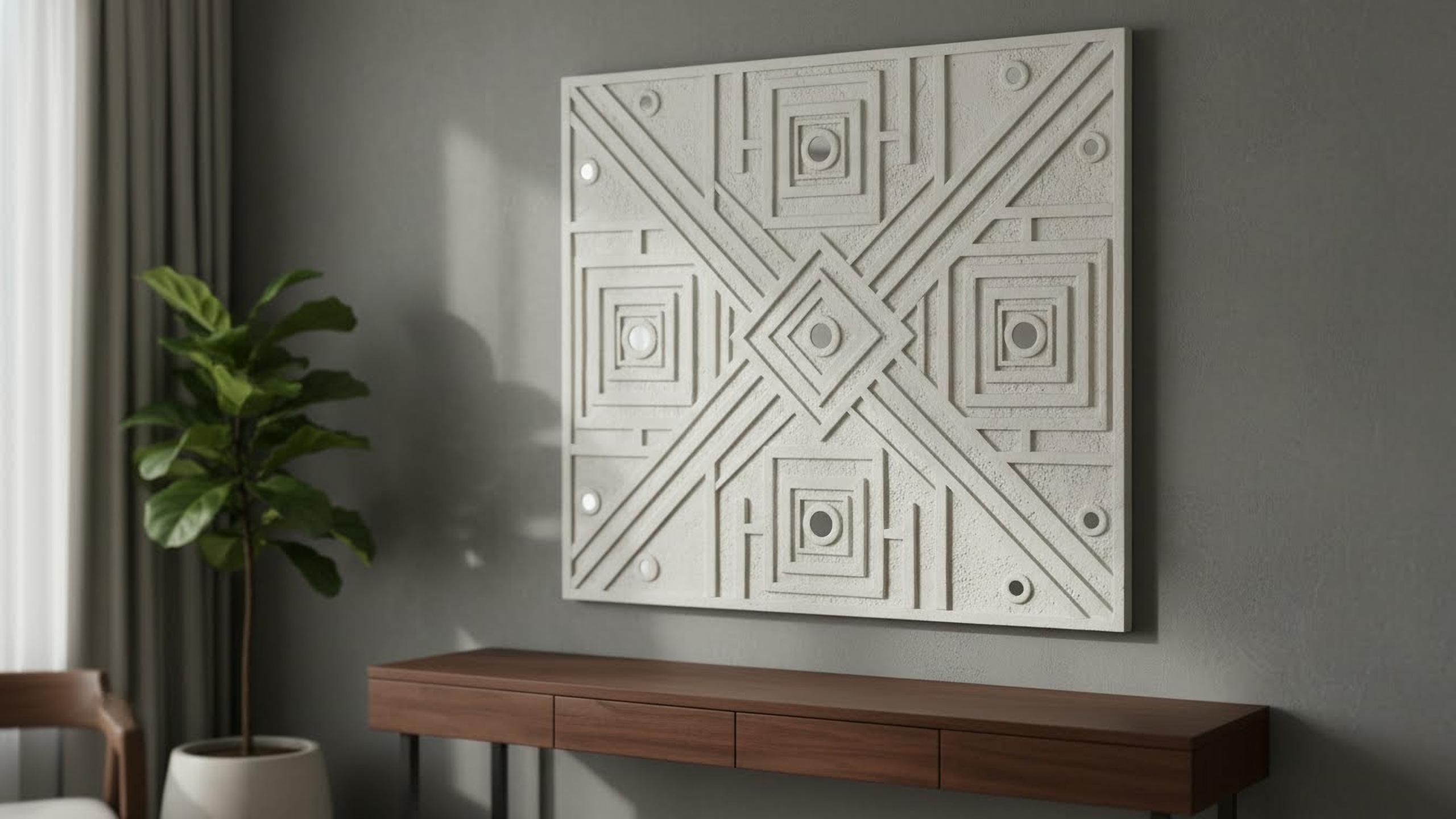
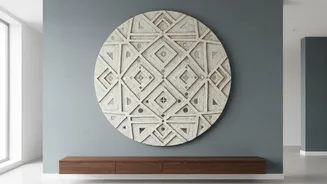
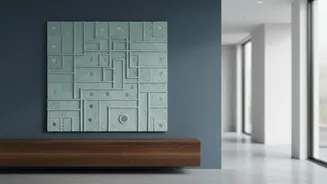
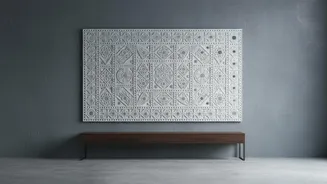
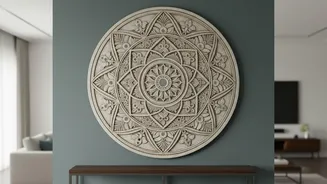
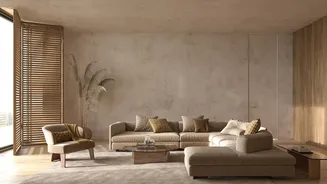
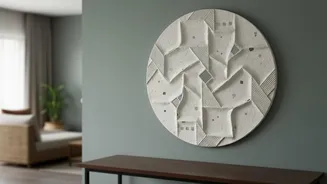
The appeal of Lippan art in an urban setting lies in its unique texture and versatility. The raised clay patterns and embedded mirrors create a dynamic surface that plays with light, adding depth and a sense of movement to a room. A large, circular Lippan piece can serve as a stunning focal point above a sofa in the living room or as a headboard in a bedroom. A series of smaller square panels can create an elegant gallery wall in a hallway or dining area. Even a single piece in an entryway creates a warm, inviting impression. Its typically white or neutral palette allows it to blend seamlessly with various decor styles, from minimalist and modern to bohemian and rustic. It brings a tactile, earthy element that contrasts beautifully with the clean lines and smooth surfaces common in contemporary interiors, telling a story of handcrafted authenticity.