





The Surprising Power in Peels
We're used to tossing them in the bin, but fruit peels are the protective layer for the fruit, meaning they are concentrated sources of vitamins, antioxidants, and enzymes. During winter, when skin often becomes dry, dull, and flaky, these natural compounds
can provide a gentle, affordable, and sustainable boost to your skincare routine. From the vitamin C in orange peels to the hydrating potassium in banana peels, harnessing their power can help you achieve a healthy, radiant glow without harsh chemicals. It’s a simple way to give your skin some extra nourishment while also reducing kitchen waste.
Orange Peels for Brightening
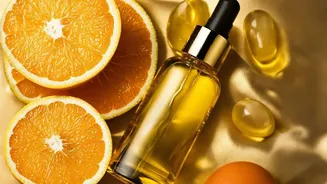
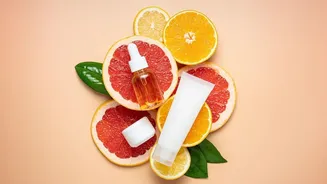
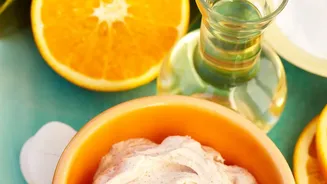
Winter gloom can make skin look tired and dull, but orange peels are a powerhouse of Vitamin C, a well-known skin brightener. This potent antioxidant helps fade dark spots, boost collagen production for plumper skin, and provides gentle exfoliation to slough off dead cells. The natural oils and citric acid in the peel help to clear clogged pores and can improve overall skin tone. To use them, you can dry the peels, grind them into a fine powder, and mix it with yogurt or honey to create a brightening face mask. Apply the paste for 15-20 minutes before rinsing to reveal a fresher complexion.
Banana Peels for Hydration
Central heating and cold winds can leave skin feeling tight and dehydrated. Banana peels offer a surprisingly effective dose of moisture. They are rich in potassium, as well as vitamins B6 and B12, which help to nourish and hydrate dry skin. The inside of a banana peel has a soothing, cooling effect and its moisture content can leave skin feeling softer and smoother. For a simple treatment, gently rub the inner side of a fresh banana peel on your cleansed face for a few minutes, let the residue sit for 10-15 minutes, and then rinse with lukewarm water. It's a quick and easy way to combat dryness and soothe irritation.
Pomegranate Peels for Protection
Pomegranate peels are packed with potent antioxidants, even more so than the fruit itself. These compounds, including ellagic acid and tannins, help protect the skin from environmental damage and slow down signs of aging by fighting free radicals. Pomegranate peels also have anti-inflammatory properties that can soothe irritated skin and may help with conditions like acne and eczema. They can also act as a natural moisturiser and sun-blocking agent. For a DIY treatment, you can use dried pomegranate peel powder mixed with water or rose water to form a paste, which can be applied as a rejuvenating face mask.
Papaya Peels for Gentle Exfoliation
If your winter skin is looking flaky, papaya peels can act as a natural and gentle exfoliator. They contain an enzyme called papain, which helps to break down and dissolve dead skin cells without the need for harsh scrubbing. This process reveals the brighter, fresher skin underneath, helps unclog pores, and can improve your skin's overall texture. Unlike some chemical exfoliants, papaya enzymes are generally well-tolerated by most skin types, including sensitive skin. Simply rub the fleshy inside of a papaya peel on your face for 5-10 minutes before rinsing.
A Word on Safety
While using fruit peels is a natural approach, it's not without risks. Some experts caution that the active ingredients in raw fruit are not formulated for optimal skin absorption and the wrong pH can cause irritation. Always use peels from thoroughly washed, preferably organic, fruits to avoid rubbing pesticides onto your skin. Before trying any new treatment, perform a patch test on a small area of your skin to check for sensitivity or allergic reactions. If you have sensitive skin or a pre-existing condition like eczema or rosacea, it's best to consult a dermatologist before incorporating these DIY remedies into your routine.