




The Magic of a Monsoon Getaway
While many travellers flock to Kerala during the dry winter months, the monsoon season, which typically lasts from June to September, offers a unique and enchanting experience. This is when 'God's Own Country' truly comes alive, with the landscape transforming
into a lush, vibrant paradise. The rain washes the dust from the air and leaves a fresh, earthy scent. Waterfalls thunder with renewed power, and the backwaters become even more mystical. Beyond the sheer beauty, the primary advantages of off-season travel are practical: fewer tourists and lower prices. Popular destinations are less crowded, allowing for a more peaceful and intimate holiday. Many hotels, resorts, and even airlines offer substantial discounts, sometimes up to 50%, making a luxury or eco-friendly trip surprisingly affordable.
Bekal: Forts, Serenity, and Sustainability
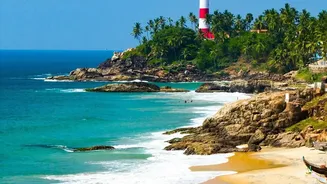
In the northern part of Kerala lies Bekal, a destination renowned for its history and tranquil beauty. Its star attraction is the magnificent Bekal Fort, a massive 17th-century structure that offers breathtaking panoramic views of the Arabian Sea. During the monsoon, the fort's laterite walls are washed clean, contrasting dramatically with the turbulent grey sea and the verdant landscape, creating a photographer's dream. The town is also a burgeoning hub for sustainable tourism, with the state’s Responsible Tourism Mission actively promoting eco-friendly practices and village life experiences. Resorts in the area are increasingly focused on blending in with the natural environment. An off-season visit here means you can explore the grand fort and the quiet, palm-fringed beaches without the usual hustle, all while enjoying lower accommodation rates.
Varkala: Cliffs, Culture, and Conscious Stays
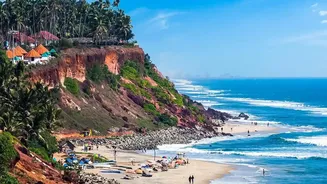
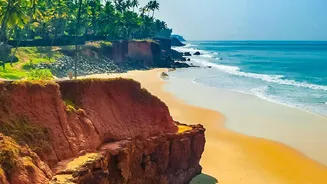
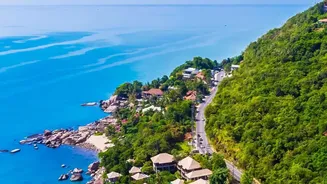
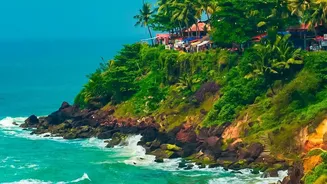
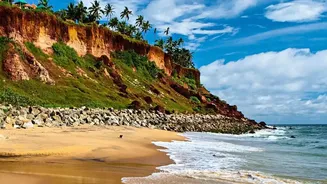
Further south, Varkala offers a completely different coastal vibe. It's famous for its unique geological feature: stunning red cliffs that run adjacent to the Arabian Sea, the only place in southern Kerala where this occurs. These cliffs are topped with a winding promenade of shops, cafes, and guesthouses, creating a bohemian and relaxed atmosphere. While the peak season from October to March is bustling, the monsoon shoulder season offers a quieter, more reflective experience. The rains bring a cool respite from the heat, and you can enjoy the dramatic sea views from a cliffside cafe in peace. This is also a fantastic time to find deals at the area's many eco-resorts and wellness retreats, which often combine comfortable stays with practices like yoga, Ayurveda, and organic farming.
What to Look for in an Eco-Resort
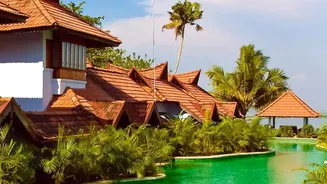
The term "eco-resort" can mean many things, but a truly sustainable property goes beyond simply asking guests to reuse towels. When booking your stay, look for resorts that are transparent about their practices. Genuine eco-lodges often highlight their use of renewable energy, rainwater harvesting systems, and effective waste management. They prioritize sourcing food from local organic farms or their own gardens and often employ staff from the local community. Many sustainable tourism initiatives in Kerala, like those in Bekal, also focus on providing authentic cultural experiences, such as visits to local artisans, traditional weavers, or taking part in village life tours, ensuring your tourism money directly benefits the community.
Tips for a Monsoon Trip
Travelling during the monsoon requires a little extra preparation, but the rewards are well worth it. Pack light, quick-drying clothes and a reliable raincoat or umbrella. Waterproof footwear is essential for exploring. While swimming in the sea can be dangerous due to rough currents, the monsoon is considered the best time for Ayurvedic treatments. According to Ayurvedic tradition, the cool, moist, and dust-free air opens up the body's pores, making therapies more effective. Be flexible with your plans, as heavy downpours can cause temporary delays. Embrace the slower pace, watch the rain from your veranda with a cup of hot tea, and immerse yourself in the revitalised natural beauty of the Keralan coast.