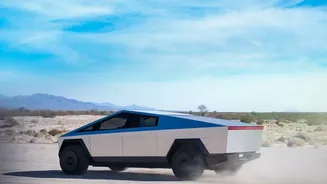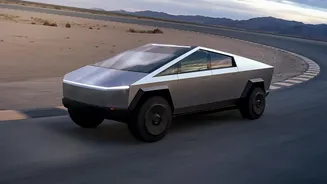







The story of the Tesla Cybertruck is about more than just a vehicle; it’s a saga of ambitious design, manufacturing headaches, and shifting timelines. A recent schedule update from Elon Musk has once again put its future in the spotlight.
The End of the Road is Set
Contrary to what
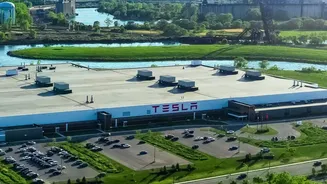
the headline might suggest, the Cybertruck's production is not ramping up toward a distant 2027 goal—it's winding down. On November 6, 2026, CEO Elon Musk announced that Tesla would cease production of the Cybertruck around the middle of 2027. The reason given was to free up space at its Texas Gigafactory for the company's next big bet: the Cybercab robotaxi. This news marked the beginning of the end for one of the most hyped and controversial vehicles in recent memory, a project that has struggled with poor sales, numerous recalls, and production challenges since its first deliveries in late 2023.
A Minor Extension to Clear Orders
Just days after announcing the mid-2027 end date, Musk provided a clarification that sparked the 'Summer 2027' update. On November 11, he announced that Tesla would extend production through the end of summer 2027. This is not a reversal, but a minor extension of a few months. The goal is to work through more of the massive backlog of orders before the production line is shut down for good. Musk acknowledged that even with the extension, the company will have to return deposits to many customers, as the order rate 'far exceeds' what can be produced in the remaining time. He even admitted the move wasn't a profit-maximizing one, but was driven partly by 'sentimentality'.
A History of Missed Targets
The Cybertruck's journey has been defined by a gap between ambitious promises and difficult reality. Unveiled in 2019 with a promised 2021 launch, deliveries didn't start until late 2023 after multiple delays. Musk once predicted sales of 250,000 to 500,000 units per year, but the truck never came close to that target. Sales peaked in 2024 with around 39,000 units sold in the US, before falling by nearly 50% in 2025 to just over 20,000. The production line in Texas was built for an annual capacity of over 125,000 trucks, but output has run at a fraction of that, with the current pace estimated at around 30,000 per year.
Dugging Their Own Grave
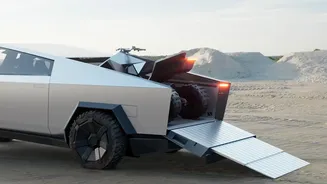
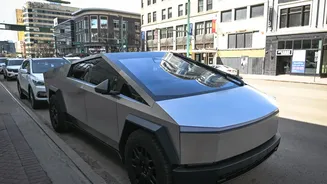
The core of the problem lies in the very thing that makes the Cybertruck unique: its design. The ultra-hard stainless-steel exoskeleton, while creating a radical look, proved incredibly difficult to manufacture at scale. Even before the launch, Musk admitted, 'We dug our own grave with Cybertruck,' citing the 'enormous challenges' in reaching volume production. Beyond manufacturing, the truck has been plagued by 11 safety recalls since its launch, for issues ranging from accelerator pedals getting trapped to exterior panels detaching while driving. This combination of manufacturing difficulty and quality control issues meant the truck could never be produced cheaply or quickly enough to meet its initial goals.
What This Means for India
For automotive enthusiasts in India, the Cybertruck has always been a distant spectacle. Its official launch in the country was never confirmed, and its discontinuation makes it even more unlikely to ever see an official release here. The vehicle's large size and sharp-edged design would have posed significant challenges for homologation and navigating Indian roads. While Tesla's broader plans for entering the Indian market remain a topic of discussion, the Cybertruck chapter appears to be closing globally before it ever had a chance to open in India.