

The Freedom of Flexible Cooking
The reliance on ready-to-eat meals is growing, driven by busy urban lifestyles and the need for convenience. While these options have improved, cooking at home offers undeniable benefits. You have complete control over ingredients, allowing you to manage
salt, oil, and sugar levels for healthier outcomes. Home cooking also means fresher meals, as restaurant or packaged foods are sometimes pre-cooked and reheated. More importantly, flexible cooking liberates you from the need to hunt for specific, sometimes expensive, ingredients. It’s a culinary philosophy rooted in adaptation, encouraging you to look at what's in your fridge and pantry and ask, “What can this become?” This approach not only saves money and reduces food waste but also transforms cooking from a chore into a creative act.
Build a Versatile Indian Pantry
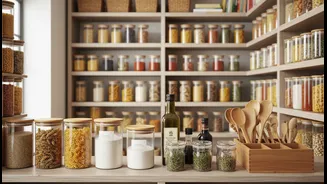
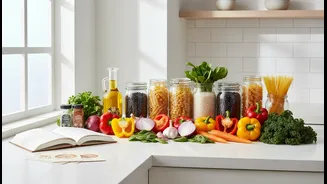
A flexible cook is only as good as their pantry. Having a well-stocked kitchen with essential staples is the foundation for creating meals on the fly. You don’t need countless exotic items; a core group of ingredients can form the base of hundreds of Indian dishes. Start with basics like rice (Basmati or Sona Masoori), whole wheat flour for rotis, and a selection of dals like toor (split pigeon peas) and moong. Your spice box, or masala dabba, is your toolkit. Essential spices include cumin seeds, mustard seeds, turmeric powder, coriander powder, and red chilli powder. Aromatics like onions, ginger-garlic paste, and tomatoes (or tomato puree as a backup) are non-negotiable for building flavour in most curries and sabzis. With these staples, a simple and satisfying meal is never far away.
Master Methods, Not Just Recipes
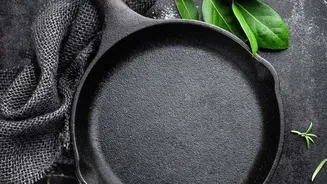
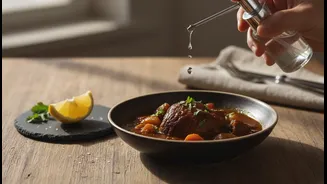
Instead of memorising dozens of recipes, focus on understanding basic cooking techniques. Most Indian cooking revolves around a few core methods. Sautéing, for instance, is the starting point for countless dishes, where aromatics are cooked in hot oil to build a flavour base. Learning the art of the tadka (tempering) — blooming whole spices like cumin or mustard seeds in hot ghee or oil — can elevate a simple dal or vegetable dish instantly. Another key method is braising, which involves browning ingredients and then slow-cooking them in a liquid, perfect for making tender meat curries or robust legume dishes. Once you understand these foundational techniques, you can apply them to whatever vegetables, lentils, or proteins you have, freeing you from rigid, step-by-step instructions.
Learn the Art of Smart Substitution
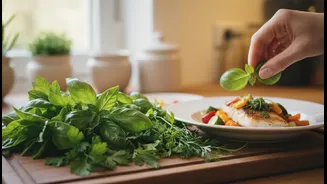
A common hurdle for home cooks is missing a specific ingredient. A flexible cook knows how to improvise. Out of tomatoes? A bit of tamarind paste, kokum, or even sour curd can provide the necessary acidity in a curry. No kasoori methi (dried fenugreek leaves)? A small amount of celery leaves can offer a similar bitter note. If you don’t have asafetida (hing), a little garlic or onion powder can replicate its savoury, umami-like function. Similarly, if a recipe calls for a specific vegetable you lack, simply swap it for another with a similar texture. Cabbage can stand in for carrots, or potatoes for cauliflower. The key is to think about the ingredient's function—Is it for sourness, aroma, or texture?—and find a suitable replacement from what you have available.